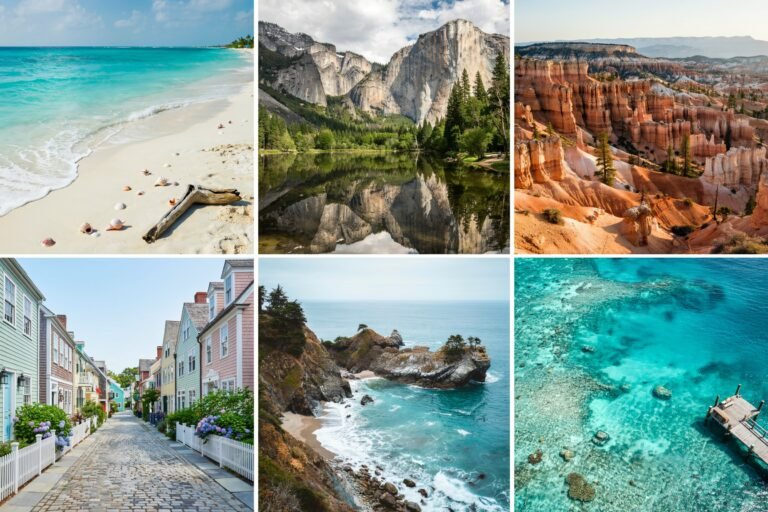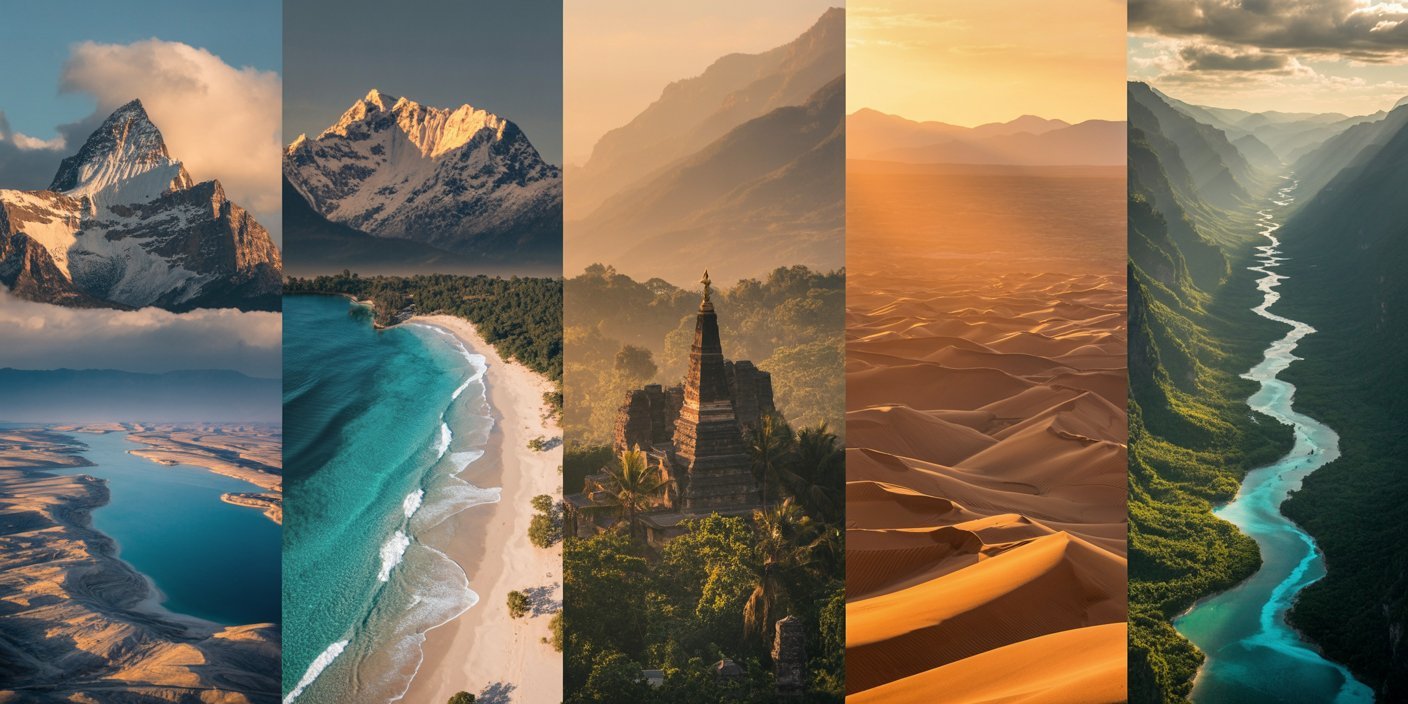
Some places change the way you see the world.
Not because they’re famous or expensive, but because of how they make you feel when you’re standing there, breathing it in, realizing photos never stood a chance of capturing the moment properly.

Over the years, I’ve learned that the most breathtaking destinations aren’t always about doing more. They’re about feeling more.
These are the places that slowed me down, surprised me, or quietly rewired my expectations of travel altogether.
1. Santorini, Greece

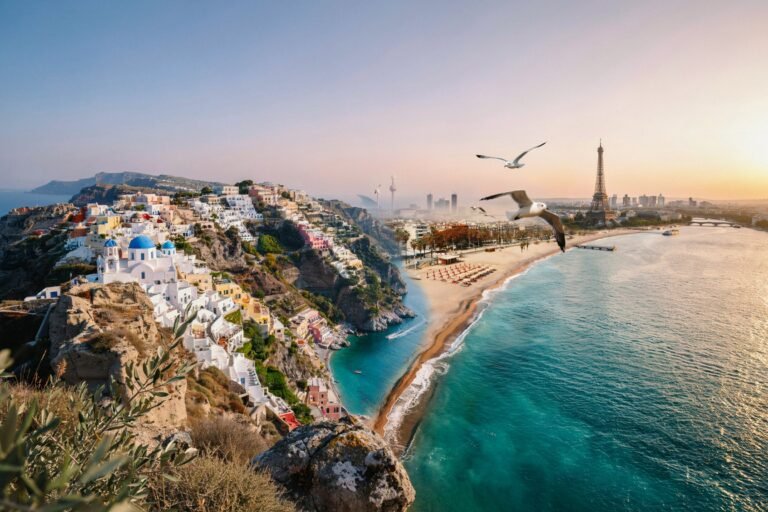
Santorini feels like a dream softened by sunlight whitewashed buildings cascading down cliffs, endless blue stretching into the horizon, and a calm that gently slows your pace.
It’s not just beautiful; it invites you to experience beauty more intentionally.
How to Get There
Fly into Santorini (Thira) International Airport via Athens. Ferries are also available from Athens and nearby islands.
Where to Stay
- Oia: Romantic, iconic, but busy
- Fira: Central and lively
- Imerovigli: Quiet, peaceful, and perfect for relaxation
What to Do
- Walk the caldera path from Fira to Oia
- Visit Red Beach and Perissa Beach
- Enjoy sunset dinners overlooking the sea
- Explore local wineries
Getting Around
Buses are reliable, but renting a car or ATV gives you flexibility.
Safety Tips
- Wear sturdy shoes (paths can be uneven)
- Stay hydrated in the heat
- Book sunset spots early
2. Banff National Park, Canada
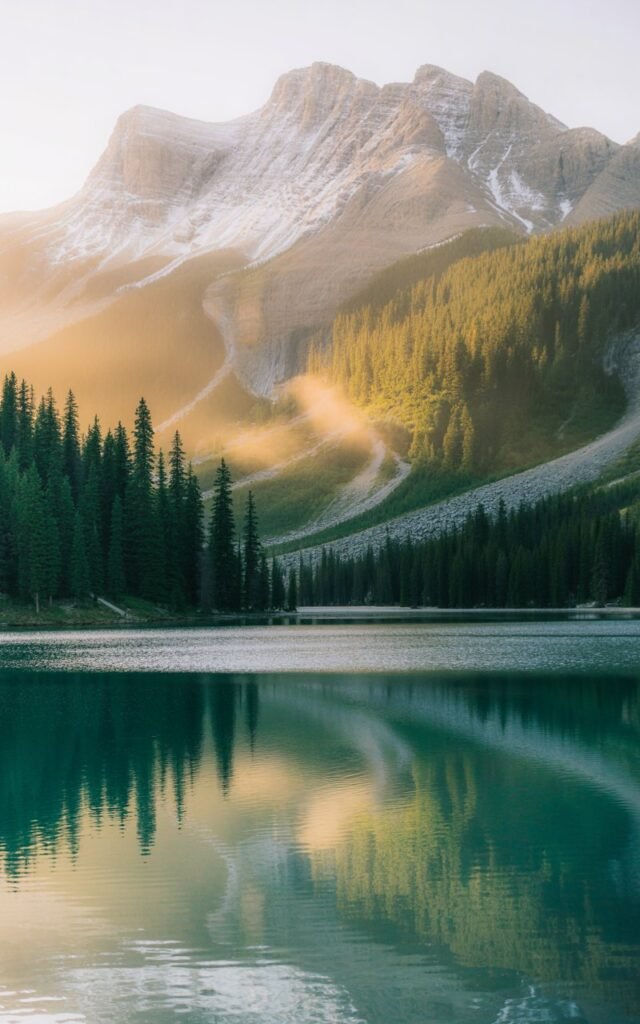
Banff feels like stepping into untouched wilderness where turquoise lakes reflect towering peaks and silence becomes part of the experience. It’s grounding in a way that makes you slow down without trying.
How to Get There
Fly into Calgary International Airport, then drive about 1.5 hours to Banff.
Where to Stay
- Banff Town: Convenient and lively
- Lake Louise: Scenic and peaceful
- Canmore: Budget-friendly alternative
What to Do
- Visit Lake Louise and Moraine Lake
- Drive the Icefields Parkway
- Go hiking or canoeing
- Wildlife spotting
Getting Around
Car rental is best for flexibility.
Safety Tips
- Carry bear spray when hiking
- Check weather before heading out
- Start early to avoid crowds
3. Bora Bora, French Polynesia
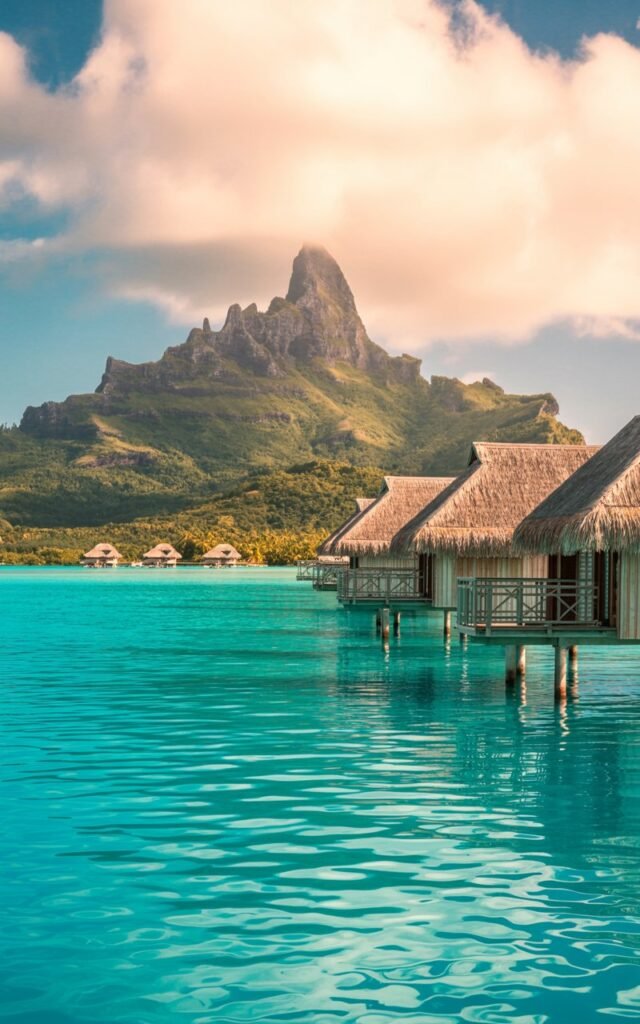
Bora Bora feels like a gentle escape from reality — where time softens, the water glows, and every moment feels quieter. It’s not just luxury; it’s stillness, presence, and the kind of peace that lingers long after you leave.
How to Get There
Fly to Tahiti, then take a short flight to Bora Bora.
Where to Stay
- Overwater bungalows (immersive experience)
- Beach villas for more privacy
What to Do
- Snorkeling in the lagoon
- Boat tours around the island
- Relax at Matira Beach
Getting Around
Boat transfers and bicycles are common.
Safety Tips
- Use reef-safe sunscreen
- Stay hydrated
- Be mindful of marine life
4. Amalfi Coast, Italy
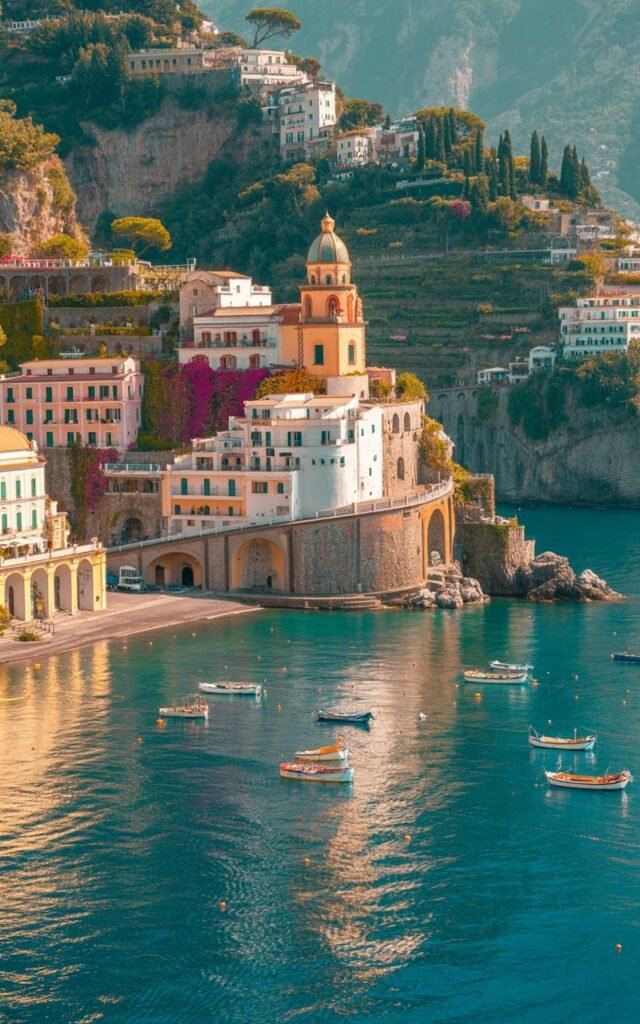
The Amalfi Coast feels like effortless beauty — colorful villages clinging to cliffs, winding roads revealing endless sea views, and a rhythm that encourages you to slow down and savor everything.
How to Get There
Fly into Naples, then take a car, ferry, or train to the coast.
Where to Stay
- Positano: Iconic but crowded
- Amalfi: Central and practical
- Ravello: Quiet and scenic
What to Do
- Explore coastal towns
- Take a boat tour
- Enjoy long seaside meals
Getting Around
Buses, ferries, or private drivers.
Safety Tips
- Roads are narrow travel carefully
- Book transport in advance
- Wear comfortable shoes
5. Kyoto, Japan
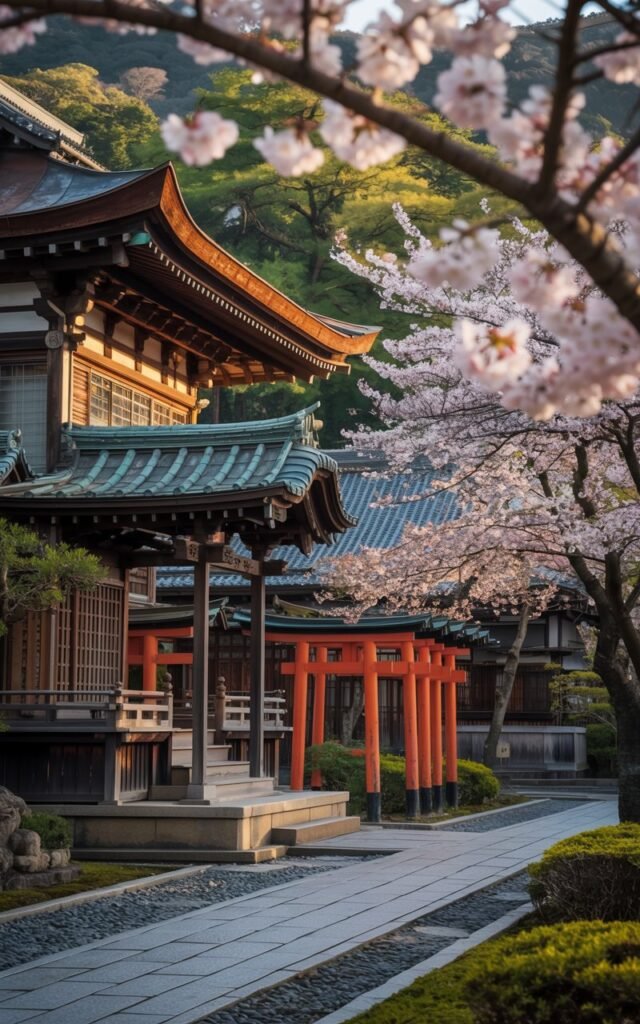
Kyoto feels like a quiet breath in a fast-moving world — where tradition, nature, and simplicity blend seamlessly. It’s a place that gently teaches you to slow down and notice more.
How to Get There
Fly into Osaka (Kansai Airport), then take a train to Kyoto.
Where to Stay
- Gion: Traditional and cultural
- Central Kyoto: Convenient access
What to Do
- Visit Fushimi Inari Shrine
- Walk Arashiyama Bamboo Grove
- Explore temples and tea houses
Getting Around
Trains, buses, and walking.
Safety Tips
- Respect local customs
- Visit early to avoid crowds
- Stay aware in busy areas
6. Machu Picchu, Peru
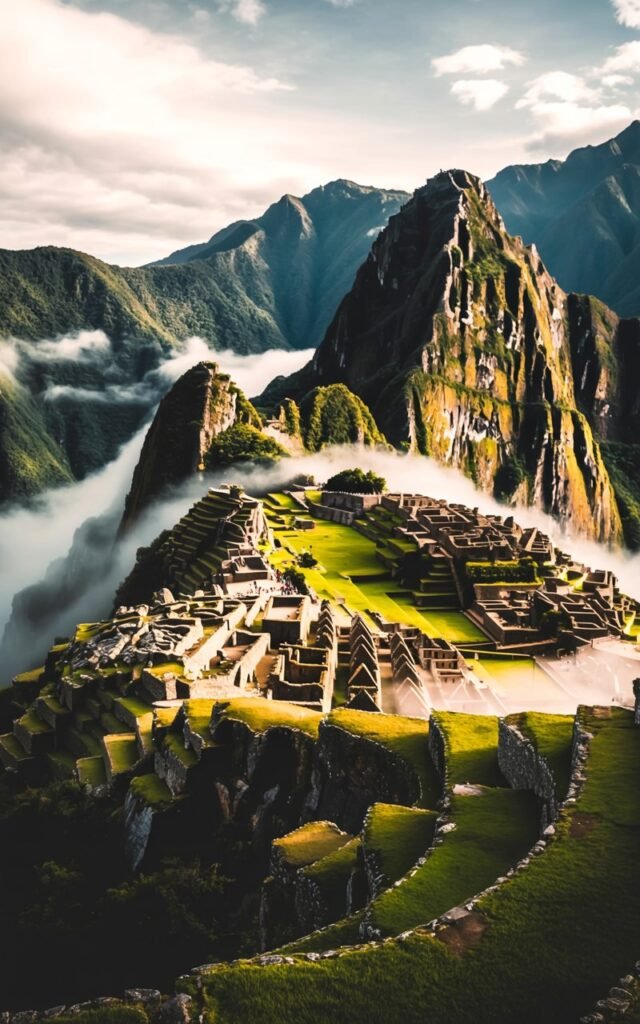
Machu Picchu feels sacred — hidden in clouds, surrounded by mountains, and filled with quiet energy. It’s less about seeing ruins and more about feeling connected to something ancient and powerful.
How to Get There
Fly into Cusco, then travel to Aguas Calientes by train or trek.
Where to Stay
- Cusco: For acclimatization
- Aguas Calientes: Closest access
What to Do
- Explore the ruins
- Hike Huayna Picchu (permit required)
Getting Around
Shuttle buses and walking.
Safety Tips
- Acclimate to altitude
- Book tickets early
- Stay hydrated
7. The Maldives
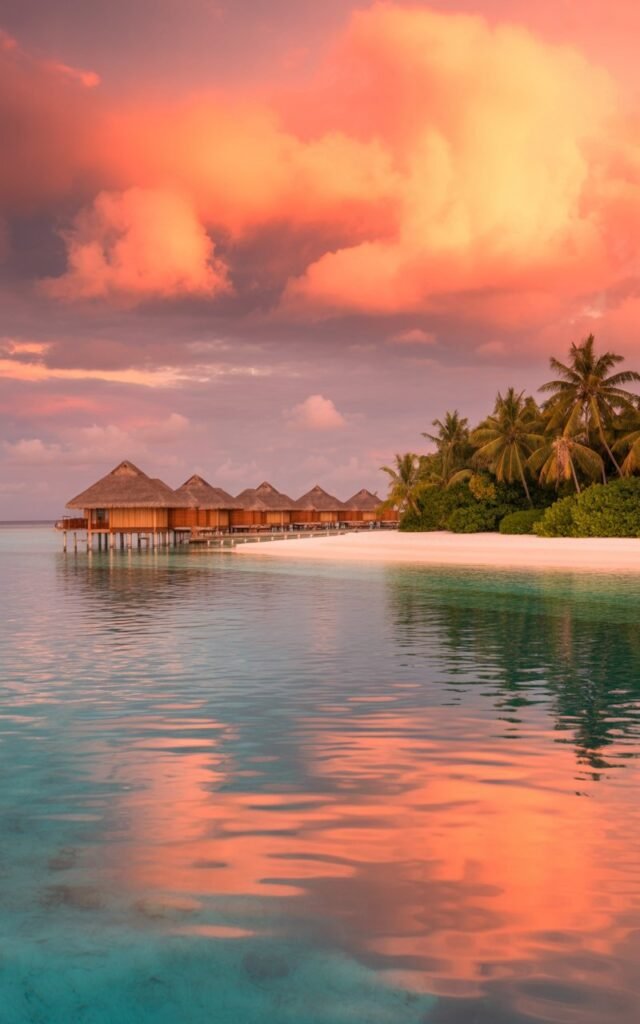
The Maldives feels like a soft escape into calm — endless blue, quiet mornings, and a sense of stillness that’s hard to find elsewhere. It’s where doing less feels like everything.
How to Get There
Fly into Malé International Airport, then take a boat or seaplane.
Where to Stay
- Overwater villas
- Private island resorts
What to Do
- Snorkeling and diving
- Sunset watching
- Spa experiences
Getting Around
Resort transfers only.
Safety Tips
- Follow resort guidelines
- Use sun protection
- Stay hydrated
8. Petra, Jordan
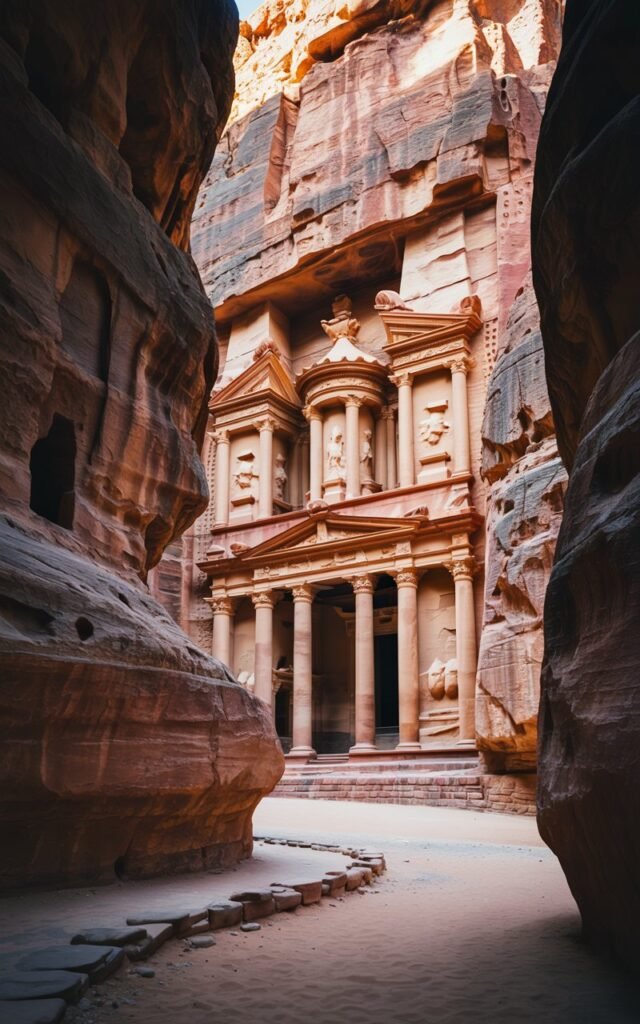
Petra feels like a story carved into stone — vast, ancient, and quietly powerful. Walking through it feels like stepping back in time in the most humbling way.
How to Get There
Fly into Amman, then drive to Petra (about 3 hours).
Where to Stay
- Wadi Musa (near entrance)
What to Do
- Walk through the Siq
- Visit the Treasury and Monastery
Getting Around
Walking or guided tours.
Safety Tips
- Wear comfortable shoes
- Avoid midday heat
- Stay hydrated
9. Swiss Alps, Switzerland
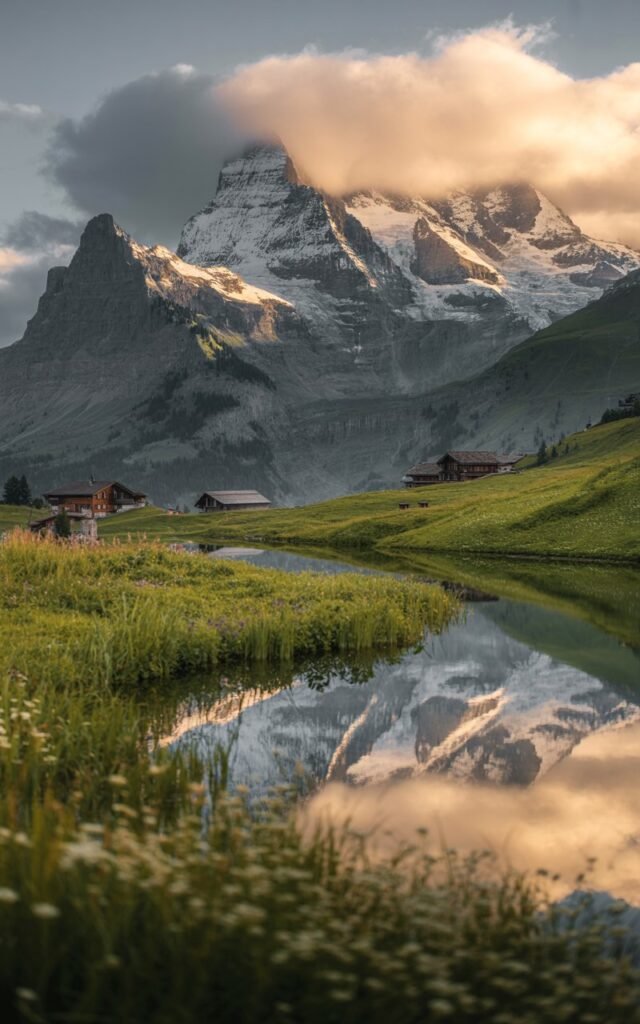
The Swiss Alps feel like stepping into a world where nature quietly takes the lead. Towering peaks, soft green valleys, and crisp mountain air create a sense of calm that’s hard to describe. It’s not just scenic — it’s deeply grounding, the kind of place that gently slows your thoughts.
How to Get There
The easiest way to reach the Swiss Alps is by flying into Zurich or Geneva. From there, Switzerland’s train system makes everything feel effortless. Scenic trains connect directly to alpine towns like Zermatt, Interlaken, and Grindelwald, turning the journey itself into part of the experience.
Where to Stay
- Zermatt: Ideal for iconic views of the Matterhorn and skiing
- Grindelwald: Peaceful, scenic, and perfect for a slower pace
- Interlaken: Great central base for exploring multiple regions
Staying in a smaller village offers a more intimate and peaceful experience, especially if you’re looking to disconnect.
What to Do
- Take scenic train rides like the Glacier Express
- Go hiking through alpine trails in summer
- Ski or snowboard in winter
- Visit mountain viewpoints and cable car stations
- Relax in quiet cafés surrounded by mountains
Getting Around
Switzerland’s train system is one of the best in the world. Cable cars and funiculars make even remote viewpoints accessible. Renting a car isn’t necessary unless you prefer more flexibility.
Safety Tips
- Always check weather conditions before heading into the mountains
- Stay on marked hiking trails
- Dress in layers weather can change quickly
- Wear proper hiking or snow gear depending on the season
10. Cappadocia, Turkey
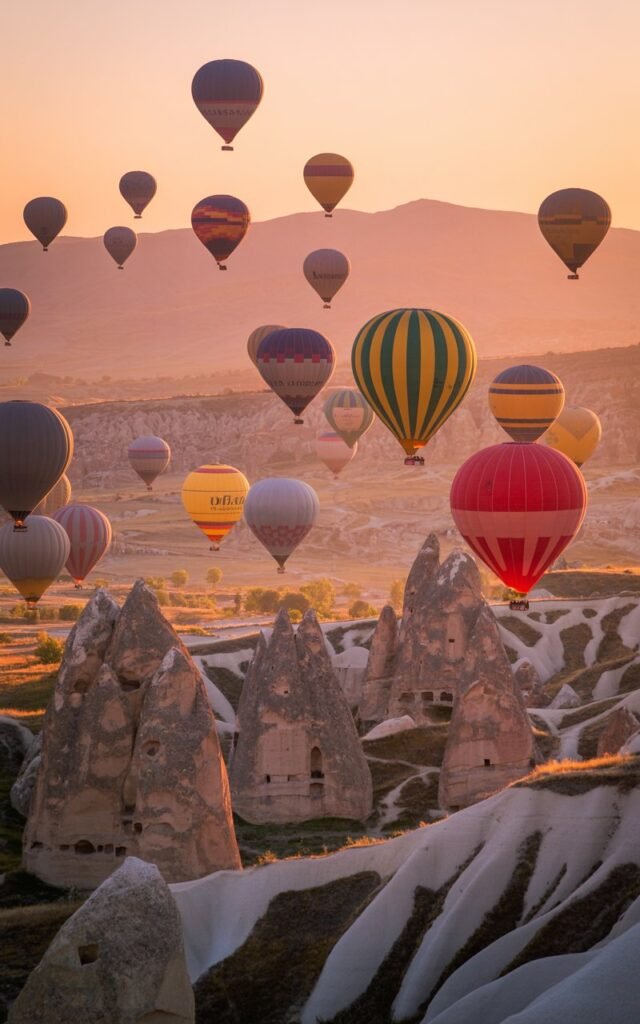
Cappadocia feels like a place shaped by imagination — soft rock formations, hidden caves, and valleys that seem almost unreal. But beyond its beauty, there’s a quiet stillness here that makes every moment feel more meaningful.
How to Get There
Fly into Kayseri or Nevşehir Airport, then take a short drive (about 1 hour) to Cappadocia. Many hotels offer airport transfers, making the journey seamless.
Where to Stay
- Göreme: Central and close to main attractions
- Ürgüp: More upscale and quieter
- Uçhisar: Elevated views and peaceful atmosphere
Cave hotels are the highlight here — they add a unique and immersive experience you won’t find anywhere else.
What to Do
- Watch or ride in a hot air balloon at sunrise
- Hike through Love Valley and Rose Valley
- Visit Göreme Open-Air Museum
- Explore underground cities
- Enjoy local Turkish cuisine in cozy settings
Getting Around
Guided tours are popular and convenient. Renting a car gives more freedom if you prefer exploring at your own pace.
Safety Tips
- Book balloon rides in advance (they fill up quickly)
- Wear comfortable shoes for hiking
- Be cautious on uneven terrain
- Carry water, especially during warmer months
11. Iceland
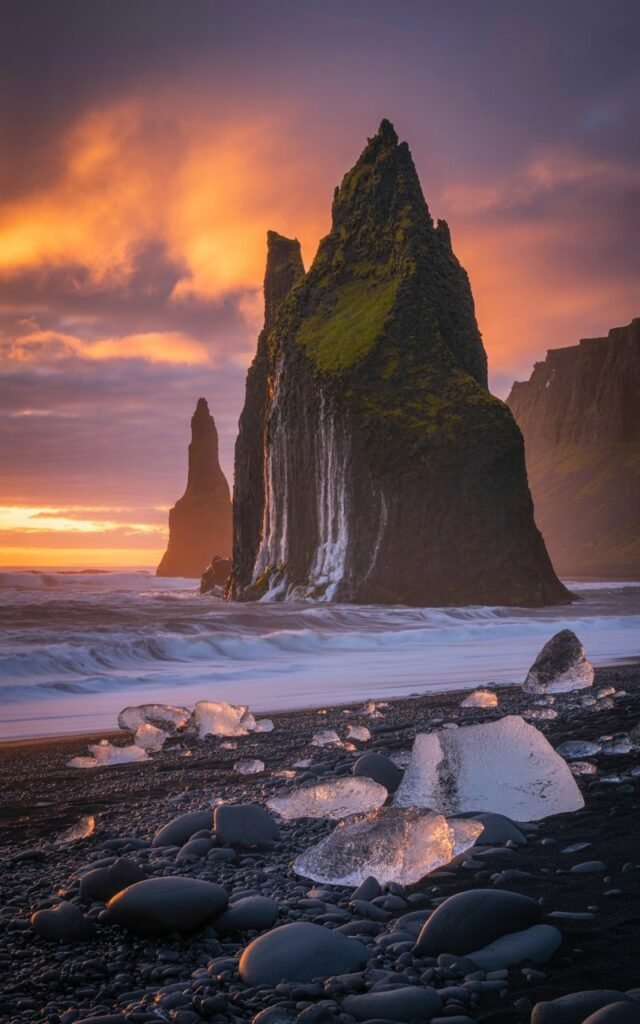
Iceland feels raw, powerful, and completely untamed. From waterfalls that seem endless to volcanic landscapes that feel otherworldly, every part of the country reminds you how dynamic nature can be. It’s a place that constantly surprises you — quietly and dramatically at the same time.
How to Get There
Fly into Keflavík International Airport, about 45 minutes from Reykjavík.
Where to Stay
- Reykjavík: Great for culture and as a starting point
- South Coast towns: Ideal for nature immersion
- Golden Circle area: Convenient for short stays
A mix of city and countryside stays offers the best experience.
What to Do
- Visit waterfalls like Skógafoss and Seljalandsfoss
- Relax in the Blue Lagoon
- Explore black sand beaches like Reynisfjara
- Drive the Golden Circle
- Chase the Northern Lights in winter
Getting Around
Renting a car is the best option, especially if you want to explore beyond Reykjavík. Guided tours are available if you prefer not to drive.
Safety Tips
- Always check weather and road conditions
- Respect warning signs especially near cliffs and waves
- Dress warmly in layers
- Plan flexible itineraries due to changing weather
12. Yosemite National Park, USA
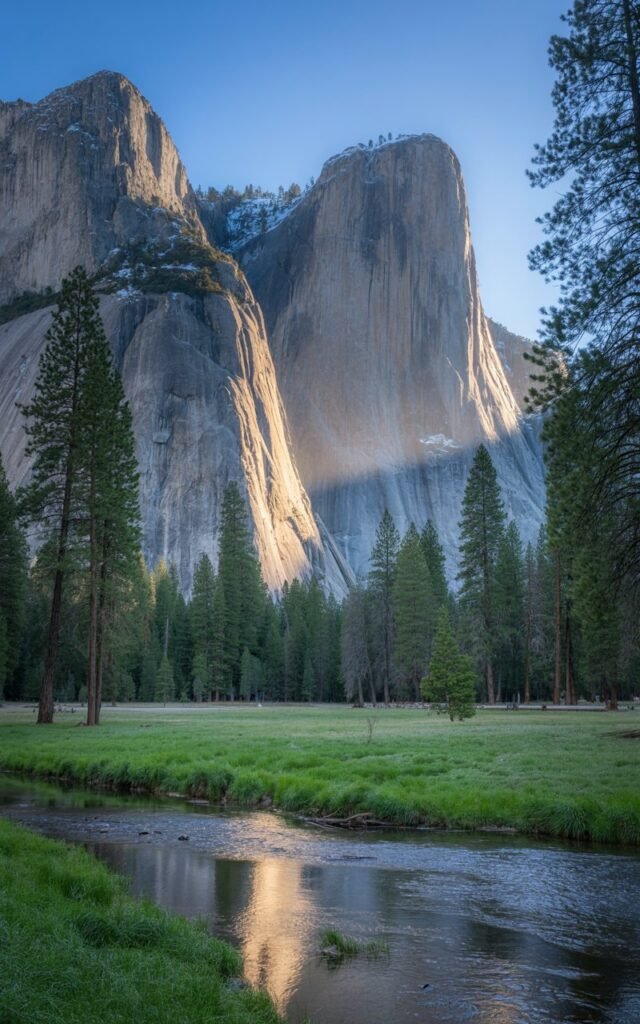
Yosemite feels powerful in a quiet, overwhelming way. Massive cliffs, ancient trees, and flowing waterfalls create a landscape that reminds you how small you are — in the best possible sense.
How to Get There
Fly into San Francisco, Oakland, or Fresno, then drive to Yosemite (3–5 hours depending on location).
Where to Stay
- Yosemite Valley: Close to major landmarks
- El Portal or Mariposa: Quieter and more budget-friendly
- Lodges inside the park: Best for immersion
Booking early is essential, especially during peak seasons.
What to Do
- Visit Yosemite Falls and El Capitan
- Hike trails like Mist Trail or Glacier Point
- Watch sunrise or sunset from scenic viewpoints
- Explore giant sequoia groves
Getting Around
Driving is common, but shuttle buses operate within the park.
Safety Tips
- Store food properly (bears are active)
- Stay on marked trails
- Carry plenty of water
- Start hikes early to avoid crowds and heat
13. Serengeti, Tanzania
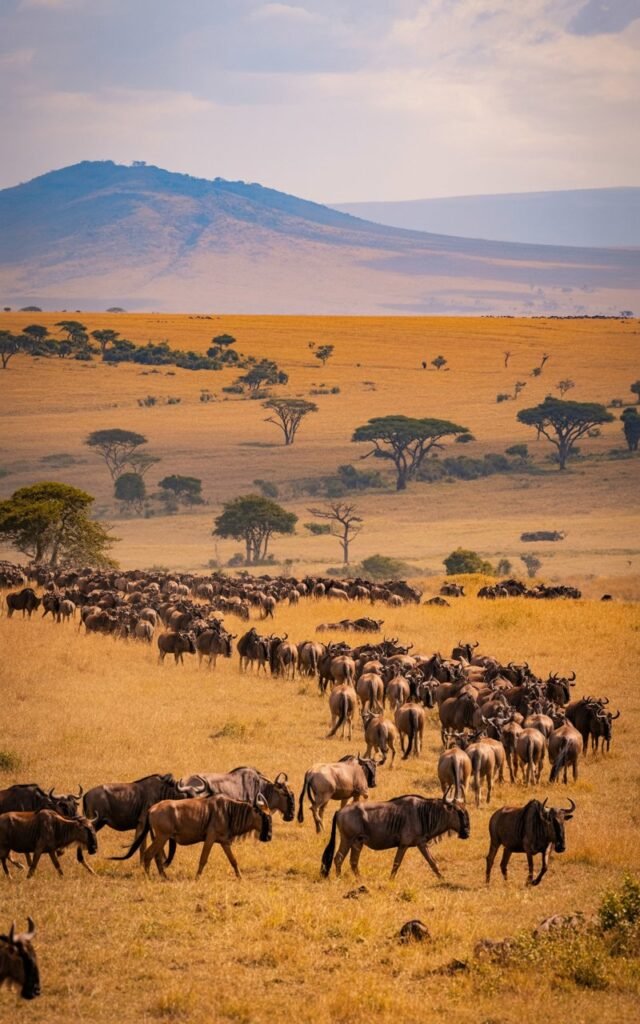
The Serengeti feels alive in a way few places do. Endless plains stretch beyond the horizon, and every moment carries a sense of quiet anticipation. It’s not just about wildlife — it’s about feeling connected to something wild and natural.
How to Get There
Fly into Kilimanjaro International Airport, then take a domestic flight or drive to the Serengeti.
Where to Stay
- Luxury lodges: Comfortable with guided safaris
- Tented camps: Immersive and closer to nature
- Mobile camps: Follow the Great Migration
What to Do
- Go on guided safari drives
- Witness the Great Migration (seasonal)
- Enjoy sunrise and sunset over the savanna
- Experience local culture through guided tours
Getting Around
Safari vehicles with experienced guides are the primary mode of transport.
Safety Tips
- Always follow your guide’s instructions
- Never approach wildlife
- Stay inside vehicles during safaris
- Use sun protection and insect repellent
14. Ha Long Bay, Vietnam
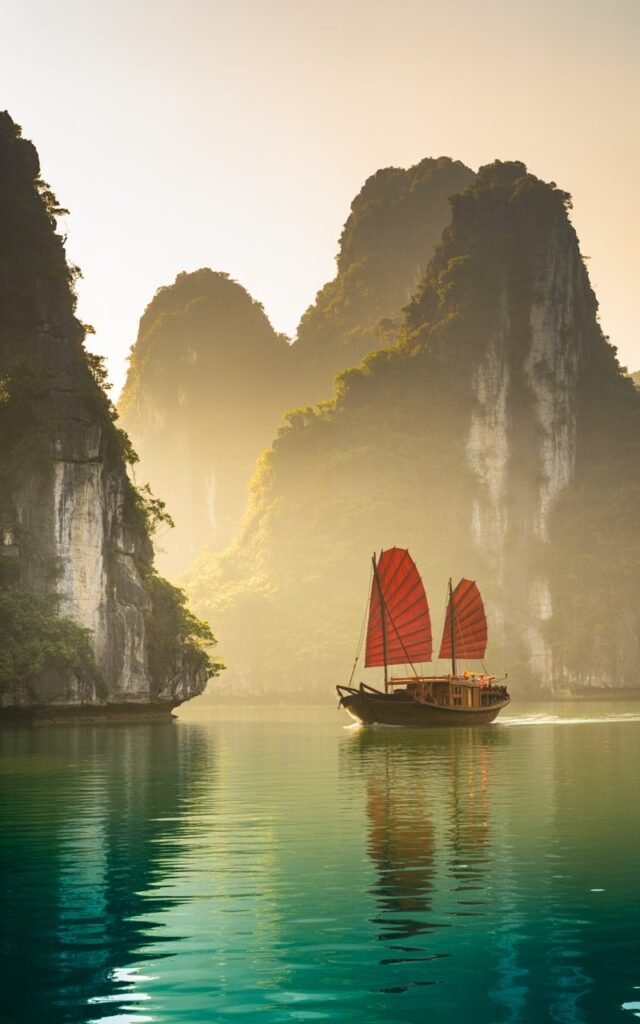
Ha Long Bay feels like a dream floating on water. Limestone cliffs rise dramatically from the sea, and everything moves at a slower, softer pace. It’s peaceful in a way that makes you want to stay present a little longer.
How to Get There
Fly into Hanoi, then take a 2–3 hour drive to Ha Long Bay.
Where to Stay
- Overnight cruise boats (highly recommended)
- Hotels in Ha Long City for shorter stays
What to Do
- Take a cruise through the bay
- Kayak through hidden caves and lagoons
- Visit floating fishing villages
- Watch sunrise and sunset on the water
Getting Around
Boats and cruises are the main way to explore.
Safety Tips
- Choose reputable cruise operators
- Follow safety instructions on boats
- Keep valuables secure
- Stay aware when kayaking
15. Bali, Indonesia
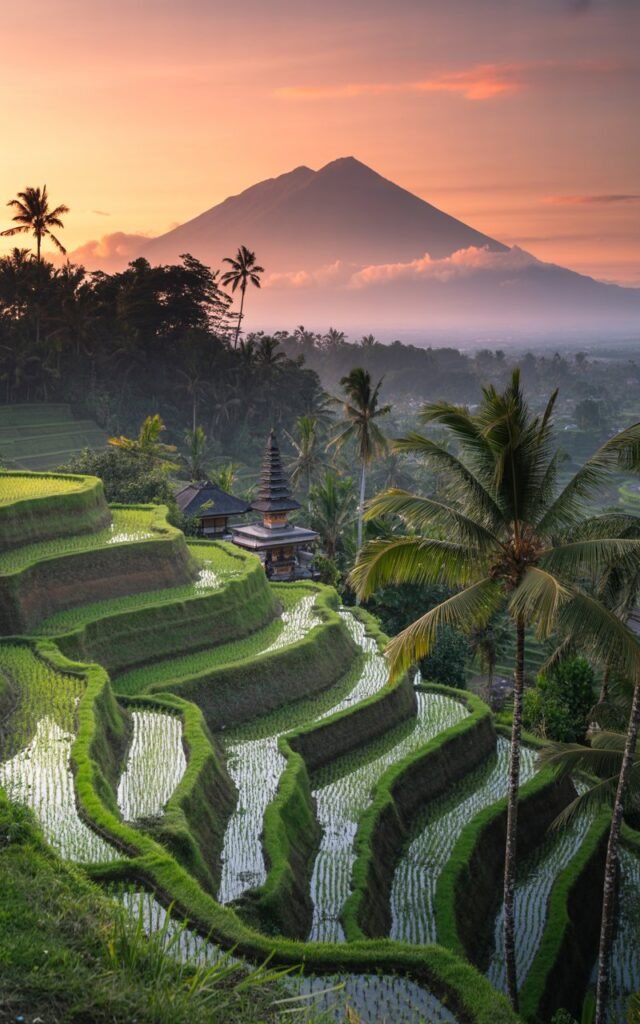
Bali feels layered — vibrant yet peaceful, spiritual yet lively. It’s a place where culture, nature, and daily life blend seamlessly, creating moments that feel both energizing and calming at the same time.
How to Get There
Fly into Ngurah Rai International Airport (Denpasar).
Where to Stay
- Ubud: Culture, rice fields, and wellness
- Seminyak: Trendy, beachside, and lively
- Canggu: Relaxed and modern
- Uluwatu: Cliffs, beaches, and sunsets
Splitting your stay between inland and coastal areas gives a fuller experience.
What to Do
- Visit rice terraces in Ubud
- Explore temples like Uluwatu and Tanah Lot
- Enjoy beach sunsets
- Try Balinese spa treatments
- Experience local markets and cuisine
Getting Around
Private drivers are the easiest and most comfortable option. Scooter rentals are common but require caution.
Safety Tips
- Be cautious when riding scooters
- Respect local customs at temples
- Stay hydrated in humid weather
- Use bottled water for drinking
Final Thoughts
Travel isn’t just about ticking destinations off a list — it’s about how you experience them.
From the stunning sunsets of Santorini to the wild plains of Serengeti, the moments that stay with us are rarely the ones everyone photographs.
They’re the quiet mornings, the unexpected encounters, and the time you take to slow down and truly absorb your surroundings.
Planning, timing, and choosing where to stay all shape your experience more than most realize.
Arriving early, avoiding peak crowds, and allowing extra time to explore let you connect with each place on a deeper level.
For me, the common thread across all these destinations — from Machu Picchu to Bali — was presence.
Traveling smart isn’t just about seeing more; it’s about feeling more. It’s letting yourself be immersed in the sights, sounds, and rhythms of each place.
So, whether it’s hiking through the Swiss Alps, cruising the waters of Ha Long Bay, or watching hot air balloons rise over Cappadocia, the key is to slow down, embrace the experience, and let each destination leave its mark on you.
Travel smart, travel intentionally, and the memories you create will last far longer than any photo ever could.