
Summer in Europe has been on my travel list for as long as I can remember.
The thought of wandering through charming streets, stopping at cozy cafés, hopping on trains between countries, and ending the day with a sunset in a beautiful new city is exactly the kind of trip I love planning.
When we first started traveling, we made the mistake of packing for every possible situation.
Our suitcases were heavy, half the clothes never got worn, and moving them through airports, train stations, and narrow European streets quickly became the least enjoyable part of the trip.
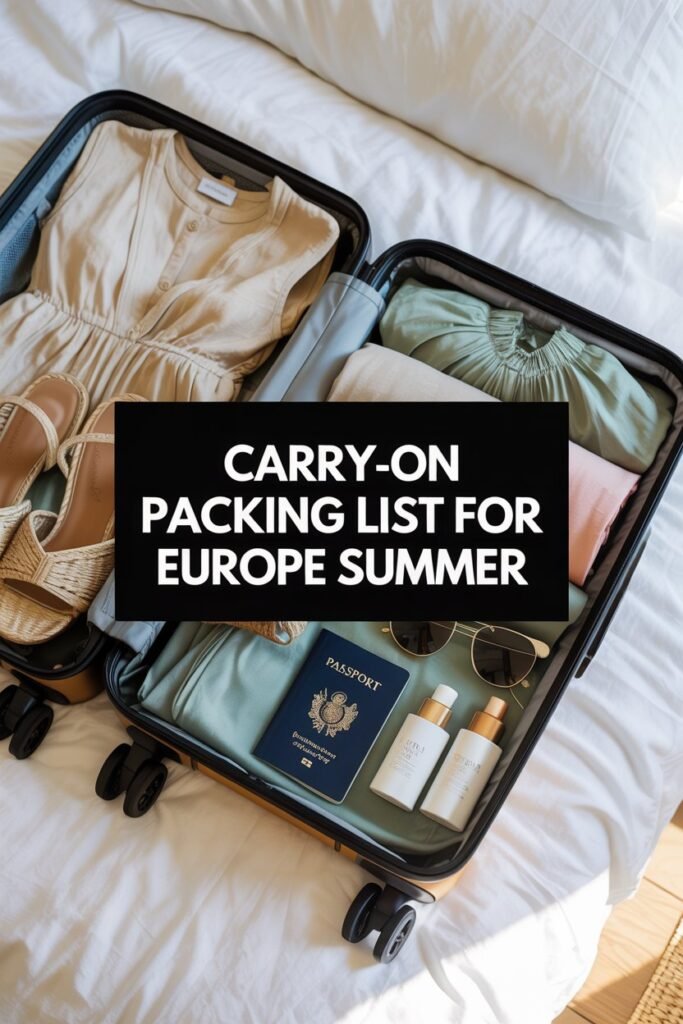
Once we switched to traveling with only a carry on, everything felt easier.
We moved around more freely, skipped baggage claim, saved money on checked luggage, and spent far less time worrying about our bags. It completely changed the way we travel.
If you’re planning a summer trip to Europe, you really do not need to pack your entire wardrobe.
With a few versatile outfits, the right travel essentials, and a smart packing strategy, a carry on is more than enough for most vacations.
This guide includes everything I would pack to stay comfortable, organized, and ready for every adventure along the way.
Disclaimer: This post may contain affiliate links, which means I may earn a small commission at no extra cost to you. Packing needs may vary based on destination, season, and personal travel preferences. Always check airline baggage rules before your trip.
Amazon Shopping List You Need
- Lightweight Carry-On Suitcase (Hard Shell)
- Packing Cubes Travel Organizer Set
- Foldable Travel Backpack or Daypack
- Anti-Theft Crossbody Travel Bag
- Portable Luggage Scale
- Comfortable Walking Sandals (Travel Friendly)
- Foldable Wide-Brim Sun Hat
Why Travel With Only a Carry On?
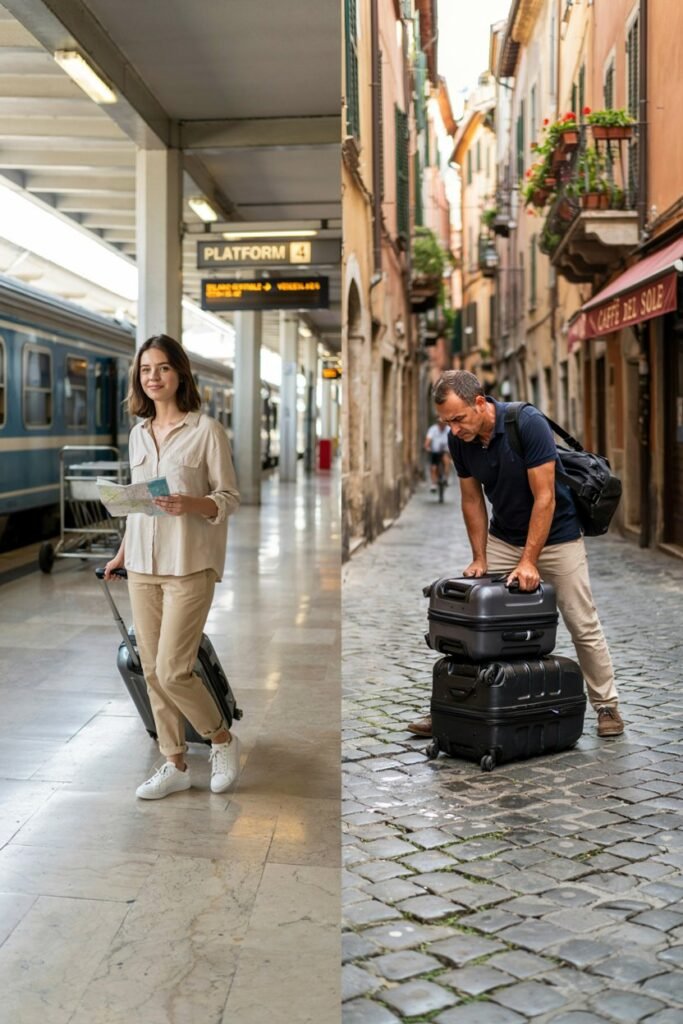
Many first time travelers worry that a carry on won’t be enough, but after trying it ourselves, we rarely travel any other way.
Here are some of the biggest advantages.
- Skip baggage claim after your flight.
- Avoid checked luggage fees.
- Never worry about lost luggage.
- Move easily between trains, buses, and airports.
- Walk comfortably through European city streets.
- Pack only what you’ll actually use.
- Save time during airport check in.
European vacations often involve changing hotels, taking trains, climbing stairs, and walking through historic neighborhoods where rolling a large suitcase isn’t always easy.
Traveling light makes the entire experience much less stressful.
Before You Pack
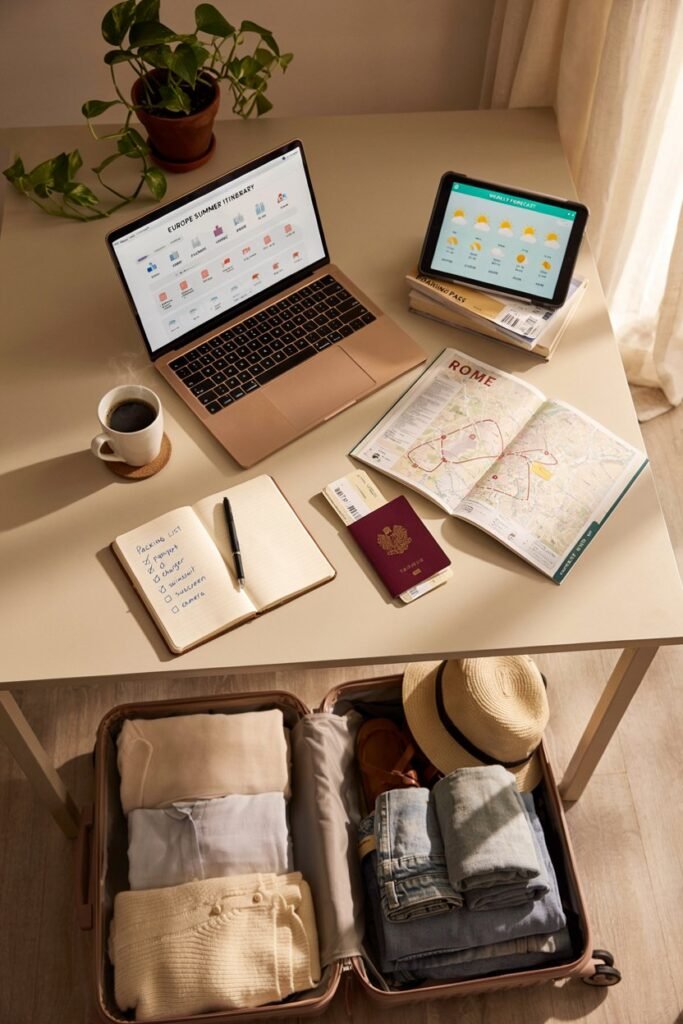
Before putting anything into your suitcase, spend a few minutes planning your trip.
Ask yourself these questions.
- How many days will you be traveling?
- Which countries are you visiting?
- Will you mostly explore cities, beaches, or countryside?
- Will you do laundry during your trip?
- What’s the weather forecast?
Summer temperatures vary across Europe.
Southern destinations like Italy, Spain, Portugal, and Greece can be very hot, while cities like London, Amsterdam, Dublin, and Copenhagen often have cooler mornings and evenings.
Checking the weather before packing helps you avoid bringing unnecessary clothing.
Choose the Right Carry On Suitcase
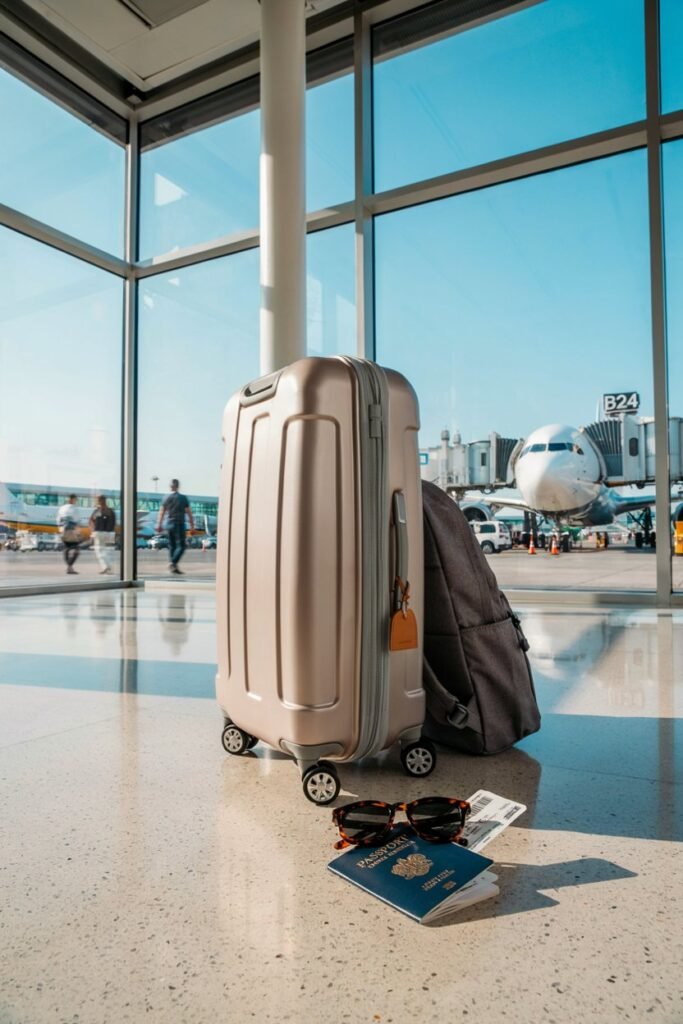
The suitcase itself matters just as much as what goes inside it.
Look for one that’s lightweight, durable, and easy to maneuver through busy airports and train stations.
Features to Look For
- Four smooth rolling spinner wheels
- Lightweight hard shell or durable soft shell design
- TSA approved lock
- Strong telescoping handle
- Expandable storage if allowed by your airline
- Interior compression straps
- Multiple compartments for organization
Before buying a suitcase, always check your airline’s carry on size restrictions. European budget airlines sometimes have smaller luggage limits than international airlines.
Carry On Essentials You Should Always Pack
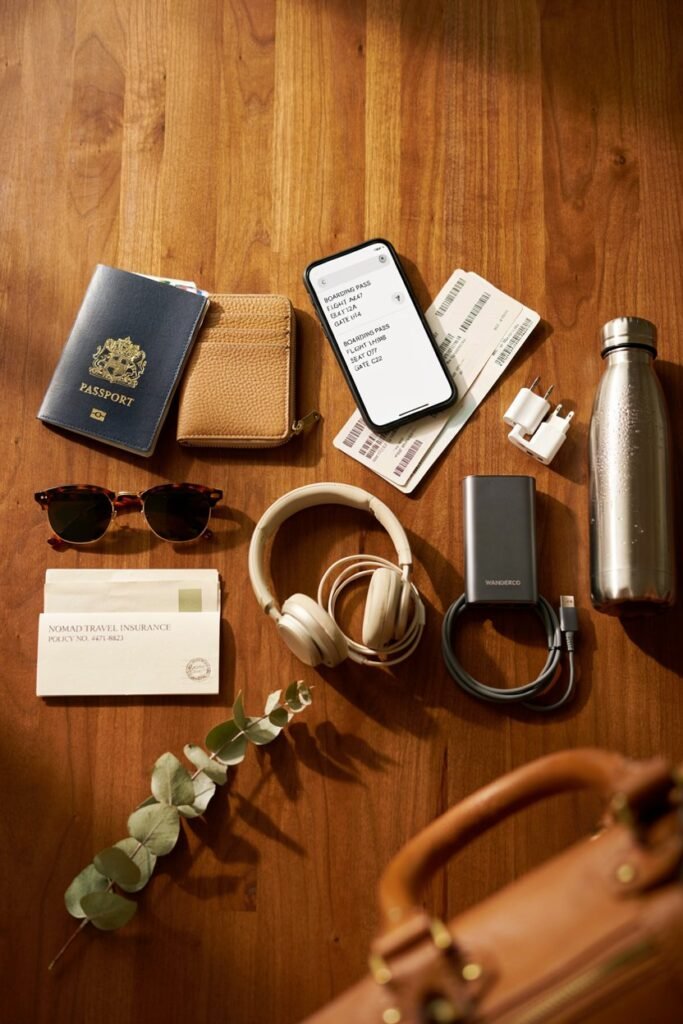
These are the items that should stay with you throughout your trip instead of being packed away.
Passport and Travel Documents
Keep your passport, boarding passes, hotel reservations, travel insurance details, and identification together in a travel wallet.
Having everything in one place makes airport security and hotel check in much easier.
Credit Cards and Cash
Most European countries widely accept credit and debit cards, but it’s still helpful to carry a small amount of local currency for cafés, public transportation, or small shops.
Avoid carrying large amounts of cash.
Phone and Charger
Your phone becomes your camera, GPS, translator, travel guide, and boarding pass while traveling.
Don’t forget your charging cable and a portable power bank.
Universal Travel Adapter
European electrical outlets are different from those in many other countries.
A universal travel adapter lets you safely charge your devices without needing multiple adapters.
Travel Insurance Information
Hopefully you won’t need it, but having your policy details easily accessible can save valuable time during an emergency.
Reusable Water Bottle
European cities have plenty of places where you can refill a reusable bottle, helping you stay hydrated while saving money throughout your trip.
Clothing Packing List
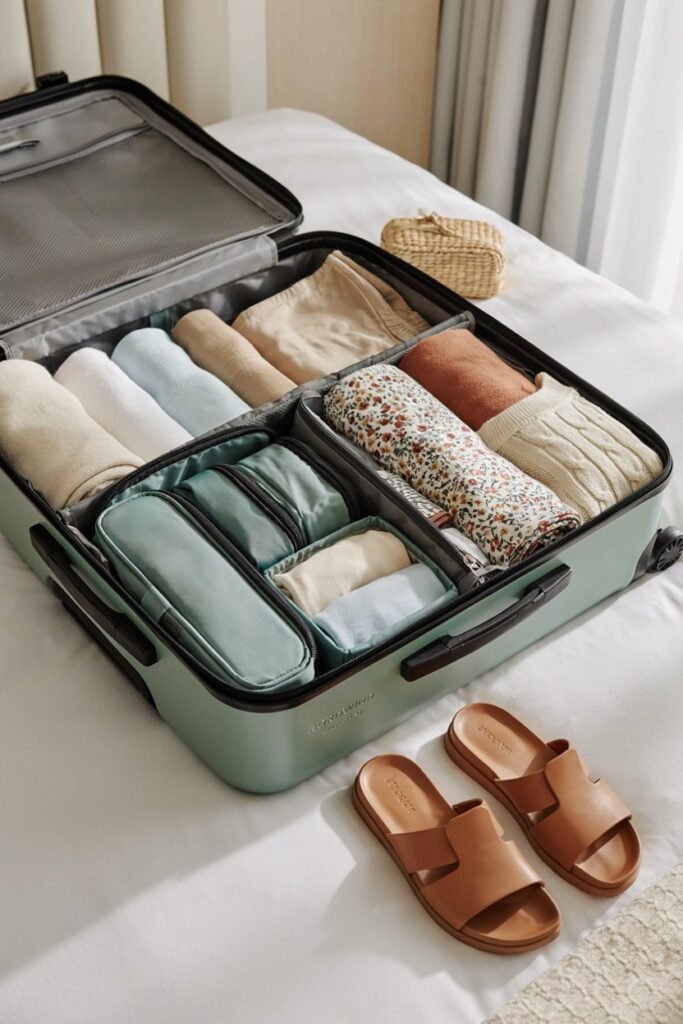
One of the biggest packing mistakes is bringing too many clothes.
Instead, choose lightweight pieces that can be mixed and matched to create multiple outfits.
A simple capsule wardrobe works much better than packing a completely different outfit for every day.
For a typical seven to ten day summer trip, consider packing:
Tops
- 5 lightweight T shirts or blouses
- 2 nicer tops for dinners
- 1 light sweater or cardigan
Bottoms
- 2 pairs of shorts
- 2 pairs of lightweight pants
- 1 comfortable skirt or casual dress if desired
Dresses
- 2 versatile summer dresses that work for both sightseeing and dinner
Undergarments
- Enough underwear for your trip or plan to do laundry halfway through
- 4 to 5 pairs of socks
- 2 comfortable bras
- Sleepwear
Outer Layer
Even in summer, evenings can become cool.
Pack:
- Lightweight rain jacket
- Thin cardigan
- Light scarf
A few versatile pieces will always outperform an overstuffed suitcase full of “just in case” clothing.
Shoes to Pack
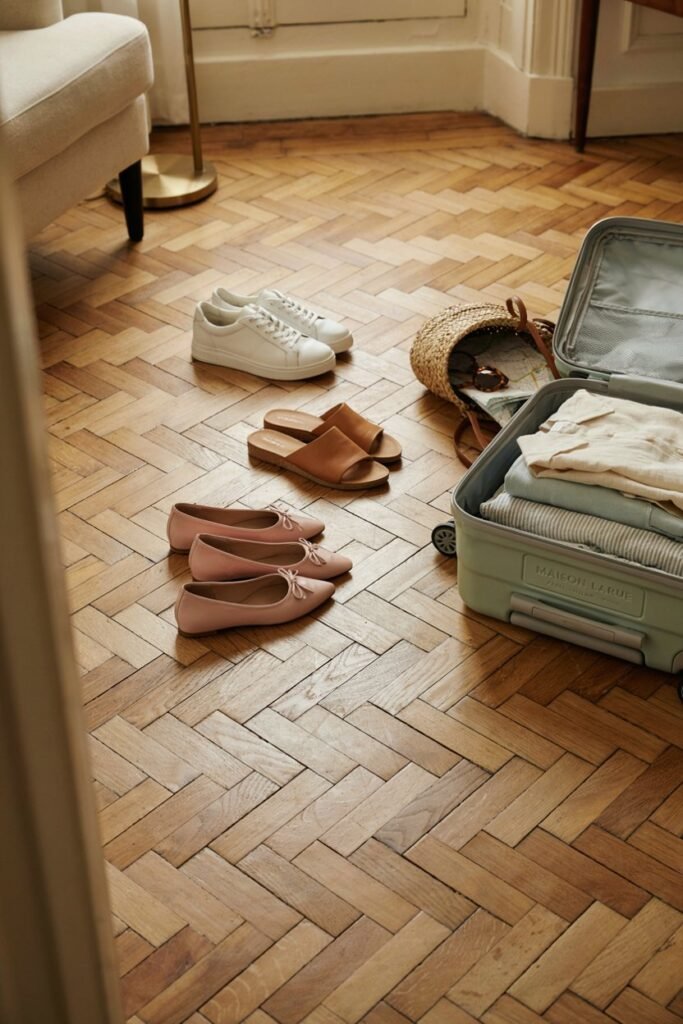
Shoes are often the heaviest items in a suitcase, so choosing the right pairs can save a surprising amount of space.
It’s tempting to pack shoes for every possible occasion, but in reality, most travelers wear the same two or three pairs throughout their trip.
I learned this after bringing five pairs of shoes to Italy and wearing only two.
The extra weight wasn’t worth it, especially when we had to carry our luggage up flights of stairs at train stations.
For most summer trips around Europe, these shoes are all you’ll need.
Comfortable Walking Shoes
A supportive pair of walking shoes is the most important item you’ll pack.
You’ll likely spend hours exploring museums, historic streets, parks, and city centers, often walking 15,000 to 25,000 steps in a day.
Choose shoes you’ve already broken in instead of wearing brand new ones.
Casual Sandals
Lightweight sandals are perfect for warm afternoons, beach towns, and relaxing dinners outdoors.
Look for styles with good arch support if you’ll be walking for long periods.
Dress Shoes (Optional)
If you plan to visit upscale restaurants, attend a show, or celebrate a special occasion, pack one pair of lightweight dress shoes.
Otherwise, you can usually skip them and save valuable luggage space.
Toiletries to Bring
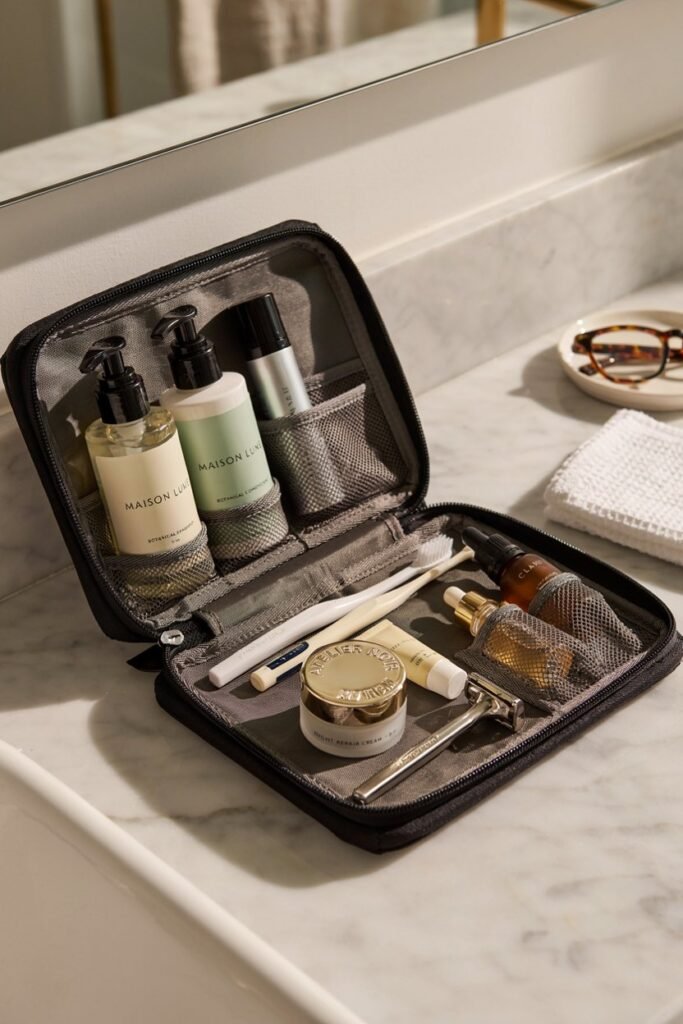
Packing toiletries can be simple if you stick to the essentials.
Since many airlines have liquid restrictions for carry on luggage, choose travel sized containers whenever possible.
Daily Essentials
- Toothbrush and toothpaste
- Deodorant
- Shampoo
- Conditioner
- Body wash
- Face cleanser
- Moisturizer
- Sunscreen
- Lip balm with SPF
- Hairbrush or comb
Personal Care Items
- Razor
- Nail clippers
- Small first aid supplies
- Prescription medications
- Contact lenses and solution if needed
Many hotels provide shampoo and body wash, so check your accommodation before packing duplicates.
Electronics You’ll Actually Use
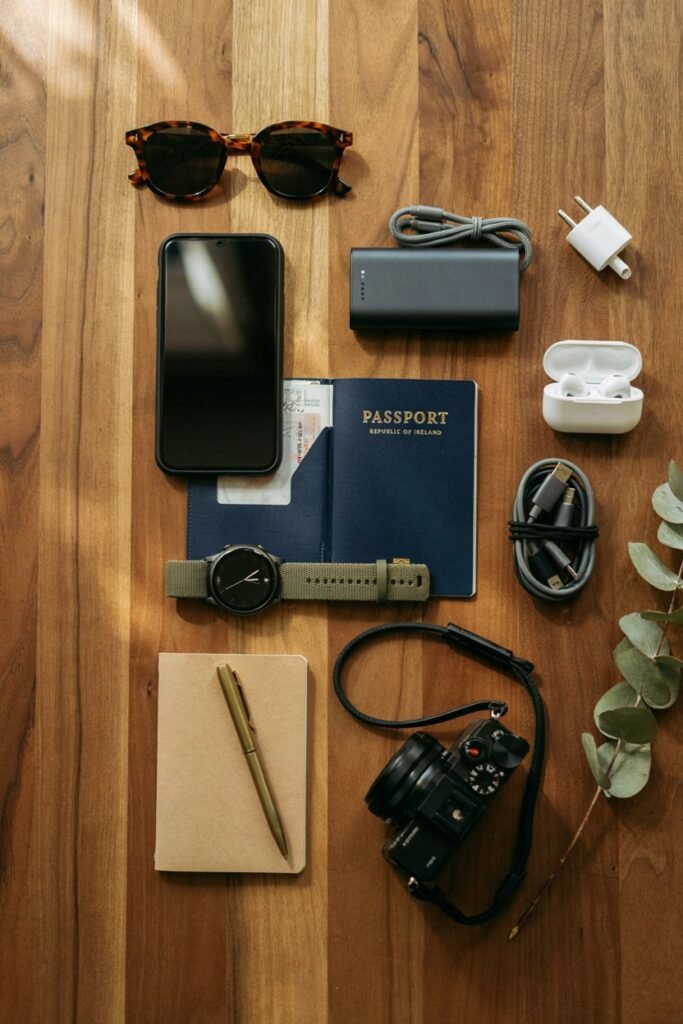
Technology can make traveling much easier, but it’s also easy to overpack gadgets.
Think about what you’ll realistically use every day.
Must Have Electronics
- Smartphone
- Charging cable
- Portable power bank
- Universal travel adapter
- Earbuds or headphones
- Smartwatch charger if needed
Optional Electronics
- Camera
- Tablet or eReader
- Laptop if you’re working remotely
- Small travel tripod for photos
If you’re only traveling for vacation, leaving your laptop at home can free up valuable space and reduce weight.
Personal Item Packing List
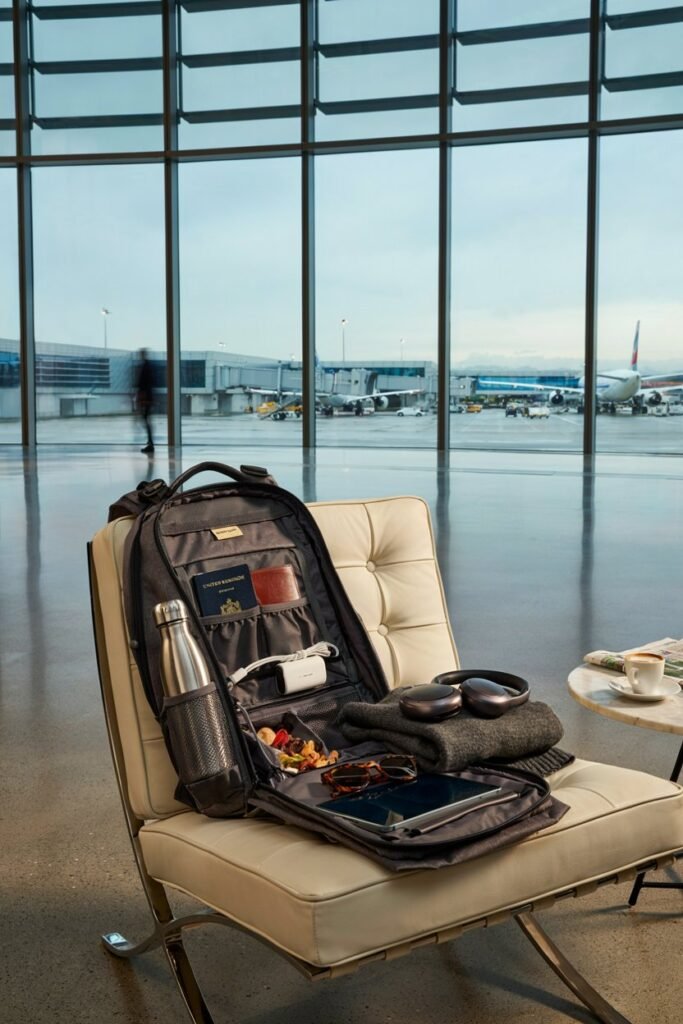
Most airlines allow one personal item in addition to your carry on suitcase.
A backpack or tote bag works well because it keeps your important belongings within easy reach during your flight.
Pack these items inside your personal bag.
- Passport
- Wallet
- Phone
- Boarding pass
- Portable charger
- Headphones
- Reusable water bottle
- Snacks
- Light sweater
- Travel pillow
- Book or eReader
- Sunglasses
- Hand sanitizer
- Tissues
Keeping these essentials with you means you won’t need to open your suitcase during the flight.
Travel Essentials You Shouldn’t Forget
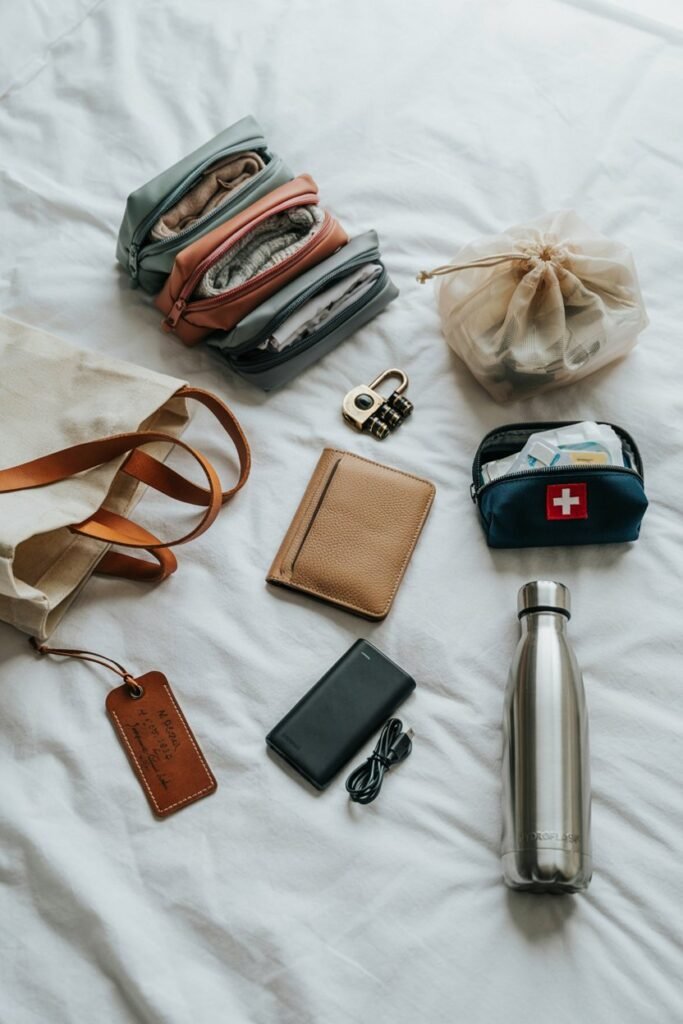
Some small items don’t take up much space but can make a big difference during your trip.
Packing Cubes
Packing cubes keep clothing organized and make it easier to unpack at each hotel.
Instead of searching through your entire suitcase, everything stays neatly separated.
Laundry Bag
Bring a lightweight laundry bag for dirty clothes.
It keeps clean clothes fresh and makes repacking much easier when changing hotels.
Reusable Shopping Bag
Many European countries charge for shopping bags at grocery stores.
A foldable reusable bag is useful for groceries, beach items, or souvenirs.
Travel Lock
A TSA approved luggage lock adds an extra layer of security, especially when staying in hostels or using luggage storage services.
Small First Aid Kit
Include basics like bandages, pain relievers, antiseptic wipes, and blister pads.
Blister pads are especially helpful after long sightseeing days.
What You Don’t Need to Pack
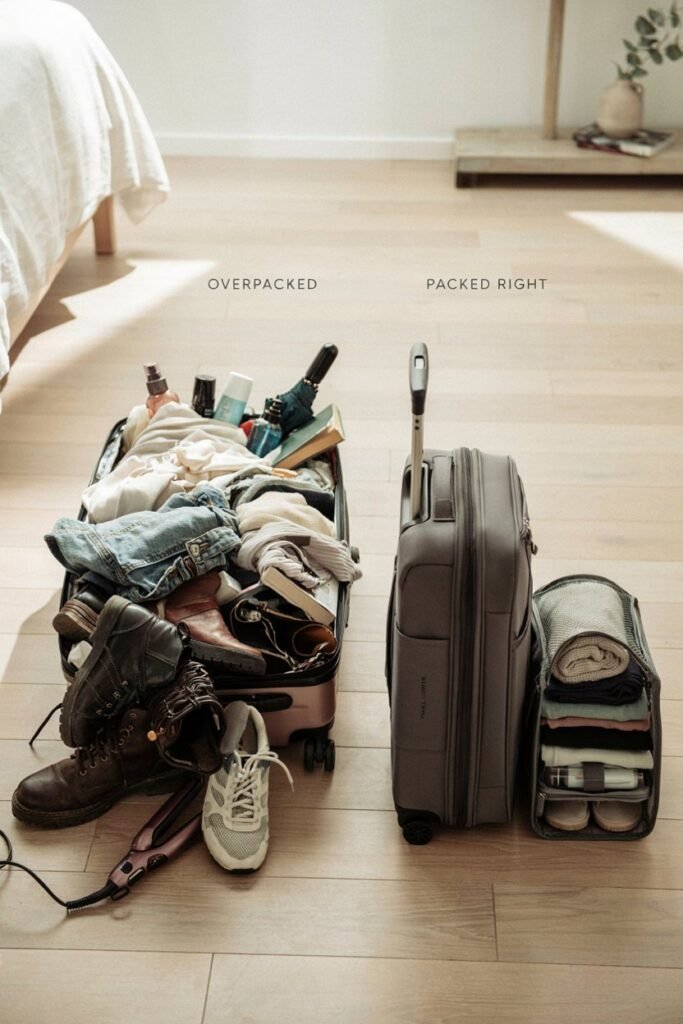
One of the easiest ways to pack lighter is knowing what to leave behind.
Here are a few things that usually stay at home when we travel.
- Too many shoes
- Full size toiletries
- Heavy jackets
- Bulky towels
- Hair dryers (most hotels provide one)
- Expensive jewelry
- Large amounts of cash
- Too many “just in case” outfits
If you haven’t used something on your last few trips, chances are you won’t need it this time either.
Carry On Packing Tips That Save Space
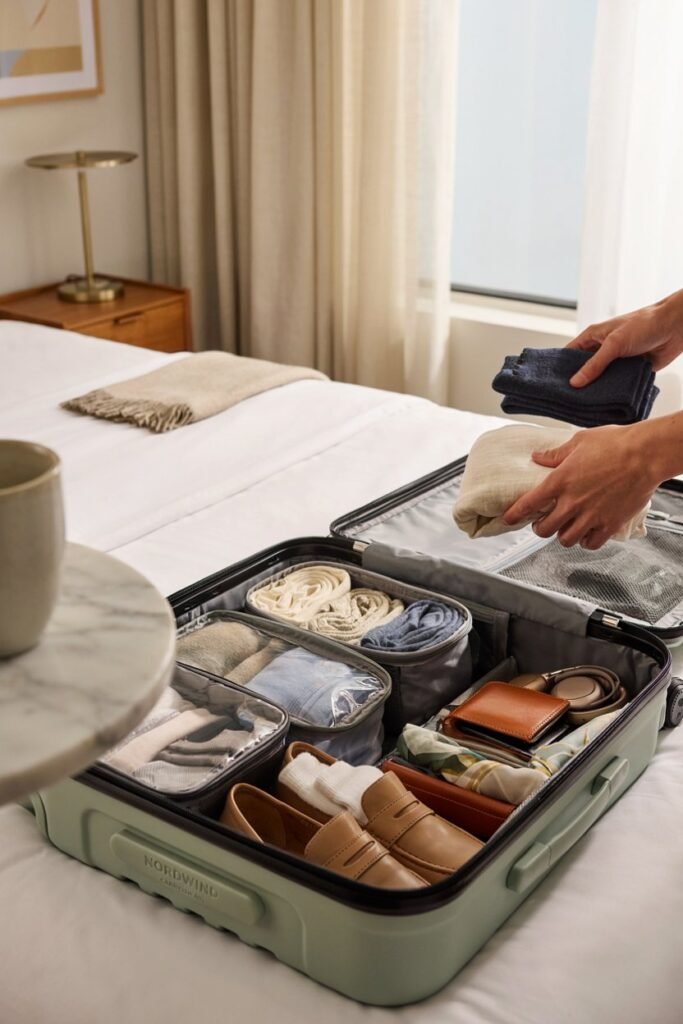
Packing smarter can help you fit everything into a carry on without feeling cramped.
Here are a few techniques that work well for us.
- Roll your clothes instead of folding them.
- Use packing cubes to separate outfits.
- Wear your bulkiest shoes on the plane.
- Place heavier items near the wheels of your suitcase.
- Fill shoes with socks or small accessories.
- Leave a little extra room for souvenirs.
- Keep liquids together for airport security.
- Pack versatile clothing that can be mixed and matched.
These simple habits make unpacking easier and help keep your suitcase organized throughout your vacation.
Common Carry On Packing Mistakes to Avoid
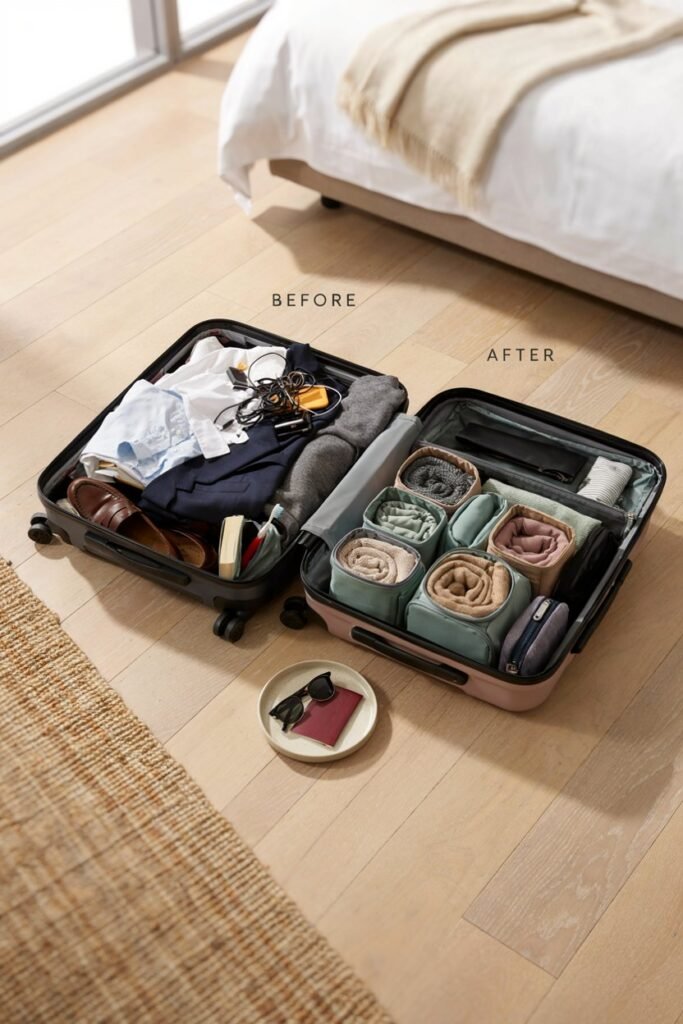
Even experienced travelers make packing mistakes from time to time. The good news is that most of them are easy to avoid with a little planning.
Here are the mistakes we’ve learned from over the years.
Packing Too Many Clothes
It’s easy to think you’ll need a different outfit every day, but most people end up wearing their favorite pieces repeatedly.
Choose clothing that mixes and matches so you can create several outfits from fewer items.
Ignoring the Weather
Europe’s summer weather isn’t the same everywhere.
Southern countries like Greece, Spain, Portugal, and Italy can be hot and sunny, while cities like Amsterdam, London, and Dublin may have cool evenings or unexpected rain showers.
Always check the forecast a few days before you leave.
Forgetting Airline Size Rules
Not every airline allows the same carry on size.
Many budget airlines have stricter limits, and oversized luggage could result in extra fees at the airport.
Take a few minutes to check your airline’s baggage policy before packing.
Bringing Too Many Electronics
Unless you’re working while traveling, you probably don’t need a laptop, tablet, camera, and several chargers.
Bring only the devices you’ll actually use every day.
Leaving No Space for Souvenirs
One mistake we made on our first European vacation was filling every inch of our suitcase before leaving home.
By the end of the trip, we had nowhere to pack souvenirs and ended up buying an extra bag.
Now we always leave a little extra room.
Carry On Packing Checklist
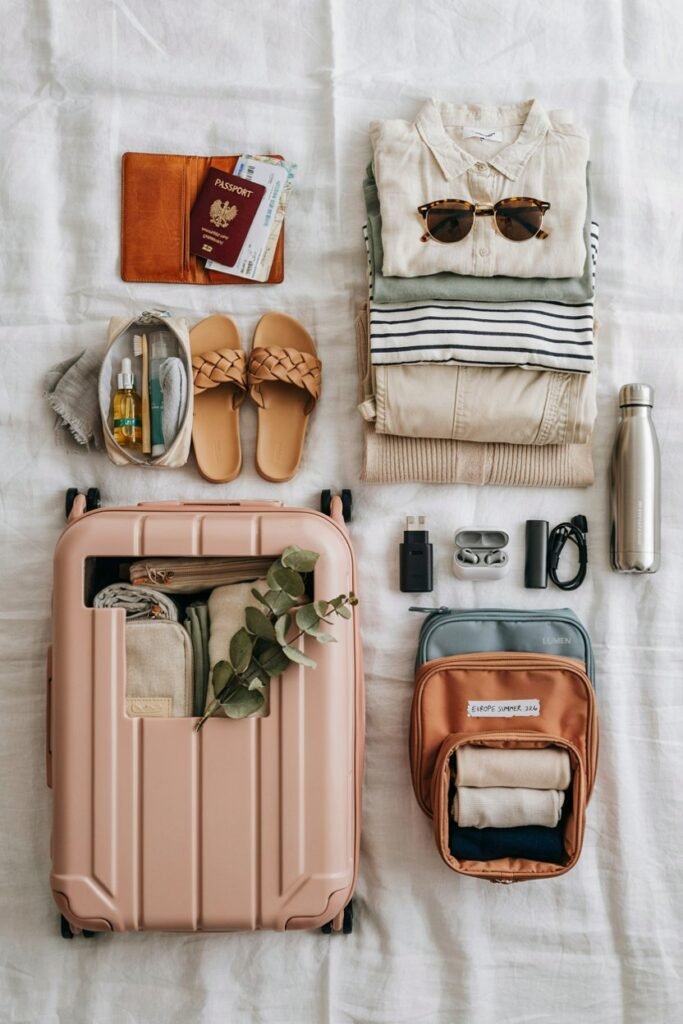
Before heading to the airport, take one final look through your packing list.
Travel Documents
- Passport
- Boarding passes
- Travel insurance
- Hotel reservations
- Credit cards
- Cash
- Driver’s license if needed
Clothing
- Lightweight tops
- Shorts
- Lightweight pants
- Summer dresses
- Underwear
- Socks
- Sleepwear
- Light sweater
- Rain jacket
Shoes
- Walking shoes
- Sandals
- Dress shoes if needed
Toiletries
- Toothbrush
- Toothpaste
- Shampoo
- Conditioner
- Sunscreen
- Face wash
- Moisturizer
- Razor
- Medications
Electronics
- Smartphone
- Phone charger
- Power bank
- Universal travel adapter
- Headphones
Travel Accessories
- Packing cubes
- Laundry bag
- Reusable shopping bag
- Travel wallet
- Luggage lock
- Water bottle
- Sunglasses
Checking everything before leaving home gives you peace of mind and helps prevent last minute stress.
Sample Budget for Carry On Travel Essentials
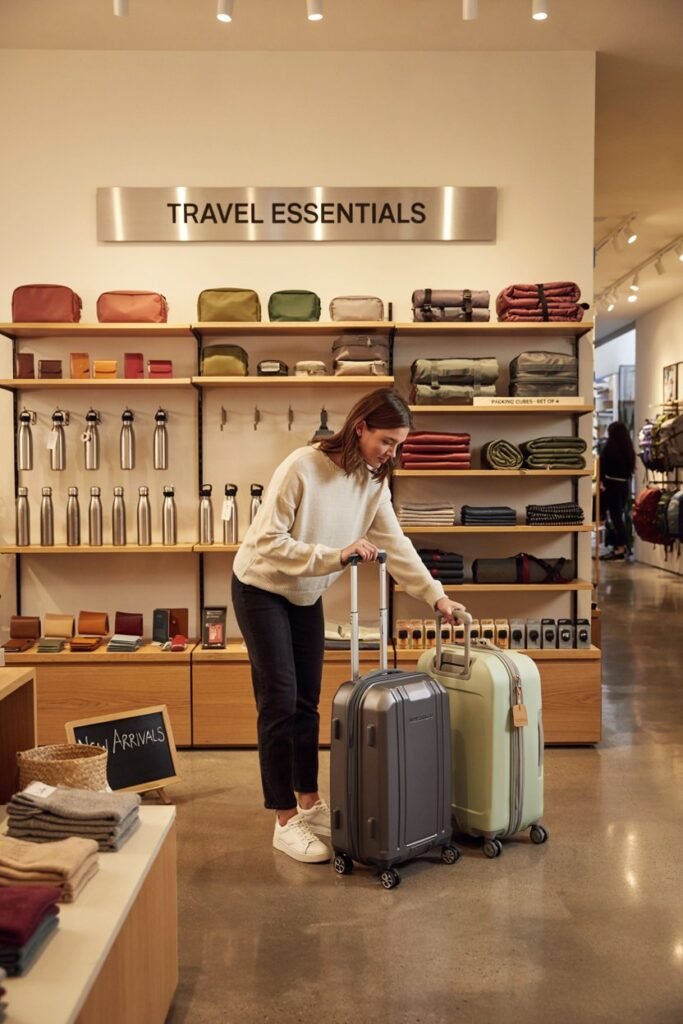
If you’re buying travel gear for the first time, you don’t need to purchase everything at once. Start with the essentials and add more items as you travel more often.
| Item | Estimated Cost |
|---|---|
| Carry on suitcase | $80 to $180 |
| Travel backpack | $40 to $100 |
| Packing cubes | $20 to $40 |
| Universal travel adapter | $20 to $40 |
| Portable power bank | $25 to $60 |
| Travel toiletry bag | $15 to $35 |
| Reusable water bottle | $20 to $40 |
| Luggage lock | $10 to $25 |
| Laundry bag | $10 to $20 |
| Travel wallet | $20 to $45 |
A quality carry on setup usually costs between $250 and $600, depending on the brands you choose.
The investment pays for itself over time by helping you avoid checked baggage fees and making travel much more convenient.
Frequently Asked Questions
Is a carry on enough for two weeks in Europe?
Yes. If you pack versatile clothing and plan to do laundry once during your trip, a carry on is usually enough for one to two weeks of summer travel.
What size carry on is allowed in Europe?
Most airlines allow carry on bags around 21 to 22 inches, but the exact dimensions and weight limits vary. Always check your airline’s baggage policy before your flight.
Do I need a universal travel adapter?
Yes. Most European countries use different electrical outlets than North America and many other regions, so a universal adapter is essential for charging your devices.
Should I bring cash to Europe?
Carry a small amount of local currency for small purchases, but credit and debit cards are widely accepted in most European destinations.
How many pairs of shoes should I pack?
Two to three pairs are usually enough. Comfortable walking shoes are essential, sandals are great for warm days, and dress shoes are only necessary if you have special plans.
Final Thoughts
Traveling through Europe with only a carry on completely changed the way I travel.
I spend less time waiting at baggage claim, move around much more easily, and never have to worry about hauling a heavy suitcase through busy train stations or narrow cobblestone streets.
These days, I would rather pack a little lighter and have the freedom to enjoy the journey.
A well planned carry on gives me everything I need without weighing me down, and I always leave a little extra space for the local treats and souvenirs I know I will bring home.
The best trips are not about how much you pack. They are about the experiences you have along the way.
With the right essentials and a smart packing strategy, you can explore Europe comfortably, travel with confidence, and make the most of every stop on your adventure.