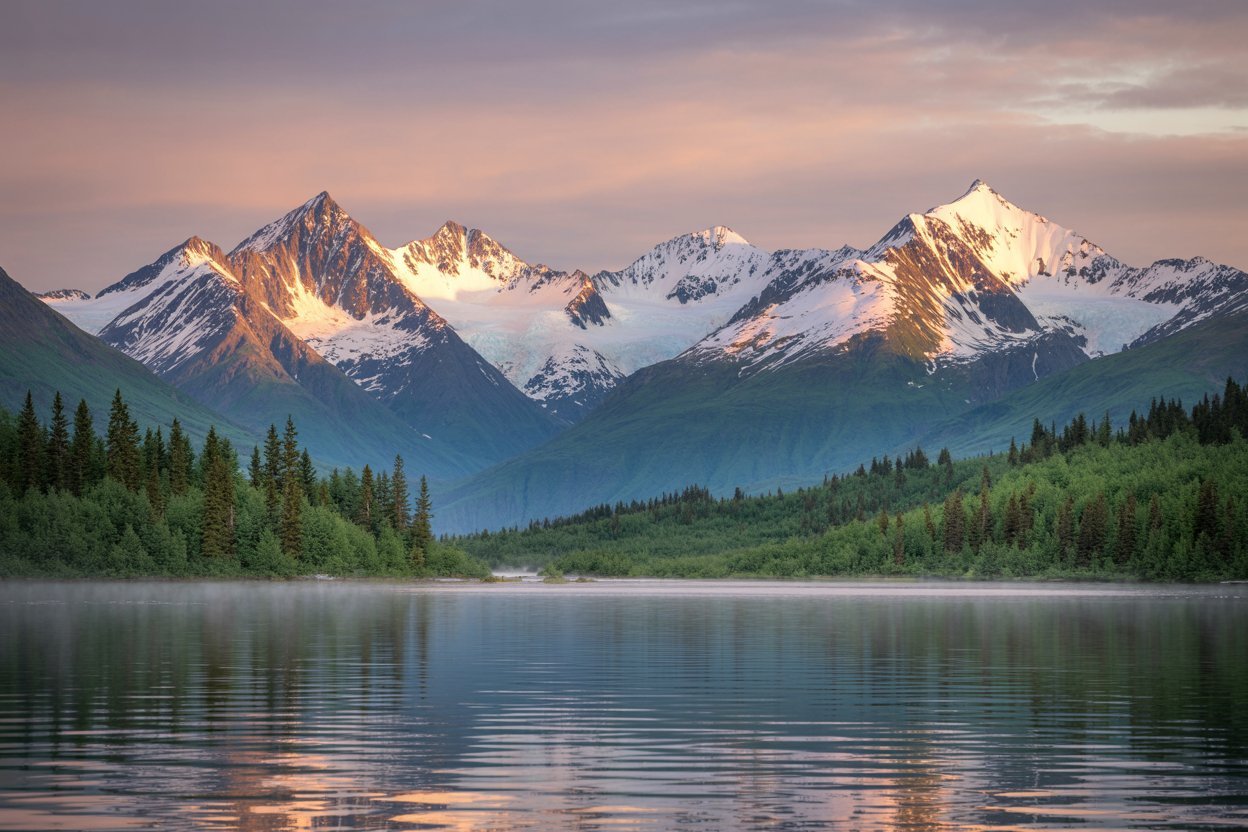
Planning a trip to Alaska in 2026 is one of those experiences that feels both exciting and a little overwhelming at the same time.
With its massive landscapes, wildlife, glaciers, and once-in-a-lifetime views, Alaska isn’t your typical destination—it’s an adventure that needs a bit of thoughtful planning.
When I first started looking into it, I quickly realized that timing, locations, and even small details like transportation can make a huge difference in how smooth and enjoyable the trip feels.
The good news? Once you break it down step by step, it becomes surprisingly manageable.
This guide is everything I wish I had when planning—simple, clear, and focused on helping you create a trip that actually feels organized, not stressful.
Disclaimer: This post may contain affiliate links, which means I may earn a small commission at no extra cost to you. Always check weather conditions, seasonal changes, and travel advisories before planning your Alaska trip.
Amazon Shopping List: How to Plan the Perfect Trip to Alaska
- Waterproof Insulated Winter Jacket
- Thermal Base Layer Set (Top & Bottom)
- Waterproof Hiking Boots (All-Terrain Grip)
- Packing Cubes Travel Organizer Set
- Packing Cubes Travel Organizer Set
- Compact Travel First Aid Kit
- Binoculars for Wildlife & Scenic Viewing
Why Planning Ahead Makes All the Difference
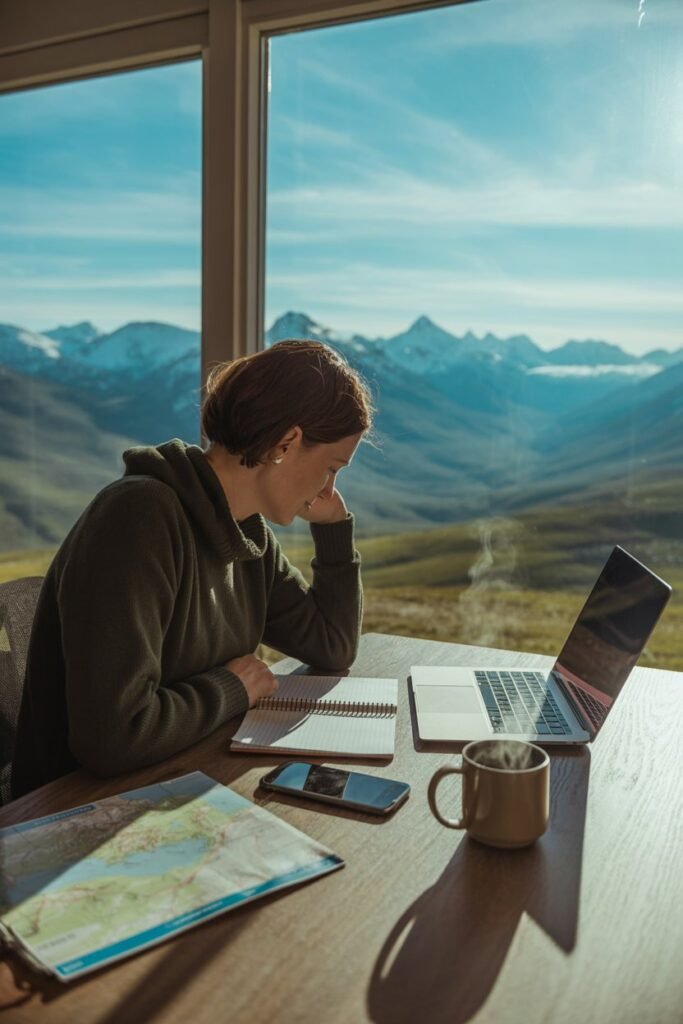
- Alaska is huge, and distances between destinations can be longer than expected
- Weather and seasons affect what you can see and do
- Popular experiences (like tours and lodges) can fill up quickly
- Transportation options require early decisions (car, train, cruise, flights)
- Planning ahead helps you avoid rushing and enjoy each location fully
- It allows you to build a realistic itinerary instead of overpacking your schedule
- You can better manage your budget and avoid last-minute costs
- A well-planned trip feels smoother, calmer, and more enjoyable overall
Best Places to Visit in Alaska
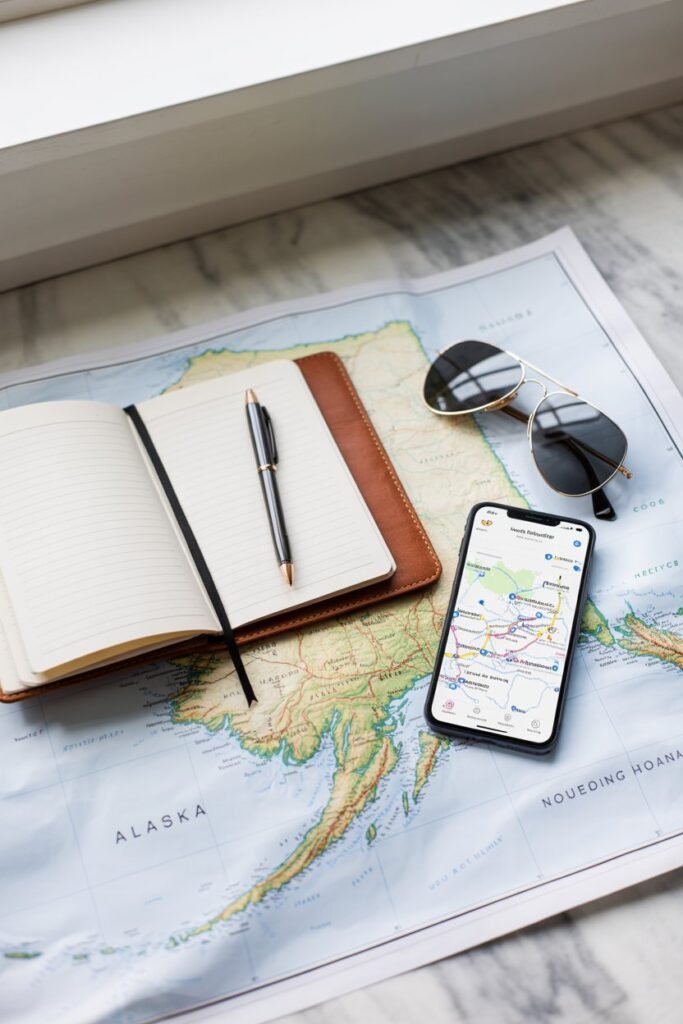
Here are the must-visit destinations, each offering something unique:
1. Anchorage – Your Starting Point
Anchorage is where most Alaska adventures begin, and it’s far more than just a stopover. It offers the perfect balance between convenience and wilderness, making it an ideal place to ease into your trip.
What makes Anchorage special is how quickly you can go from city streets to quiet nature. Within minutes, you can find yourself surrounded by mountains, lakes, and wildlife.
What to do in Anchorage:
- Walk or bike the scenic Tony Knowles Coastal Trail
- Visit local markets, museums, and cozy cafés
- Take a day trip to nearby glaciers or wildlife centers
- Enjoy panoramic views from Flattop Mountain
Why it’s worth your time:
It helps you transition into Alaska’s pace slower, calmer, and more connected to nature without feeling overwhelmed right away.
2. Denali National Park – Wildlife & Iconic Views
Denali National Park is one of the most unforgettable places in Alaska. It’s home to Denali, the tallest mountain in North America, and the landscapes here feel vast, raw, and untouched.
Unlike many national parks, much of Denali is accessible only by guided bus tours, which actually enhances the experience—you’ll cover more ground and increase your chances of seeing wildlife.
What to expect:
- Grizzly bears, moose, caribou, wolves, and Dall sheep
- Wide open tundra landscapes and dramatic mountain views
- Quiet moments that feel completely removed from the world
Top experiences:
- Scenic bus tour deep into the park
- Guided wildlife viewing tours
- Hiking near the park entrance trails
Why it stands out:
Denali isn’t just a place you visit it’s a place you feel. It’s peaceful, powerful, and completely unforgettable.
3. Juneau – Glaciers & Whales
Juneau is Alaska’s capital, but it feels more like a hidden coastal escape. Since it’s only accessible by plane or boat, it has a remote, almost magical atmosphere that makes it feel special from the moment you arrive.
It’s one of the best places in Alaska to experience glaciers up close and witness marine wildlife.
What to do in Juneau:
- Visit the famous Mendenhall Glacier
- Go whale watching (especially in summer months)
- Take a scenic tram ride up Mount Roberts
- Explore waterfalls, forests, and coastal trails
Why couples and nature lovers love it:
There’s something incredibly peaceful about Juneau the combination of ocean views, glaciers, and wildlife creates a soft, unforgettable kind of beauty.
4. Seward – Coastal Beauty
Seward is a charming seaside town that feels both cozy and adventurous at the same time. It’s best known as the gateway to Kenai Fjords National Park, one of Alaska’s most stunning natural areas.
This is where mountains meet the ocean, and the scenery feels almost surreal.
What to do in Seward:
- Take a boat tour through Kenai Fjords National Park
- See glaciers calving into the ocean
- Spot sea lions, whales, puffins, and otters
- Walk along the peaceful Seward harbor
Why it’s unforgettable:
Seward gives you that classic Alaska experience glaciers, wildlife, and ocean views all in one place.
5. Fairbanks – Northern Lights Magic
Fairbanks is best known for one incredible experience: the northern lights. If seeing the aurora is on your bucket list, this is one of the best places in the world to witness it.
While summer brings long daylight hours, the real magic happens between late August and April when the skies are dark enough for the lights to appear.
What to do in Fairbanks:
- Watch the northern lights dance across the sky
- Soak in natural hot springs
- Experience dog sledding or winter activities
- Visit cultural and historical museums
Why it’s special:
There’s nothing quite like seeing the sky light up in shades of green and purple—it’s one of those moments that stays with you forever.
6. Glacier Bay National Park – Untouched Wilderness
Glacier Bay National Park is one of the most pristine and awe-inspiring places in Alaska. It feels completely untouched, with massive glaciers, deep fjords, and incredible wildlife.
Because it’s more remote, visiting often involves a cruise or guided experience but that’s part of what keeps it so special.
What to expect:
- Towering glaciers and icy blue waters
- Seals resting on ice, whales swimming nearby
- A peaceful, almost silent wilderness
Best way to experience it:
- Cruise through the bay for close-up glacier views
- Guided tours with park experts
Why it’s worth it:
Glacier Bay feels like stepping into another world—quiet, powerful, and beautifully untouched.
Simple 7–10 Day Alaska Itinerary
This itinerary is designed to give you a balanced Alaska experience a mix of wildlife, glaciers, scenic drives, and peaceful moments without feeling rushed.
Days 1–2: Anchorage – Ease Into Alaska
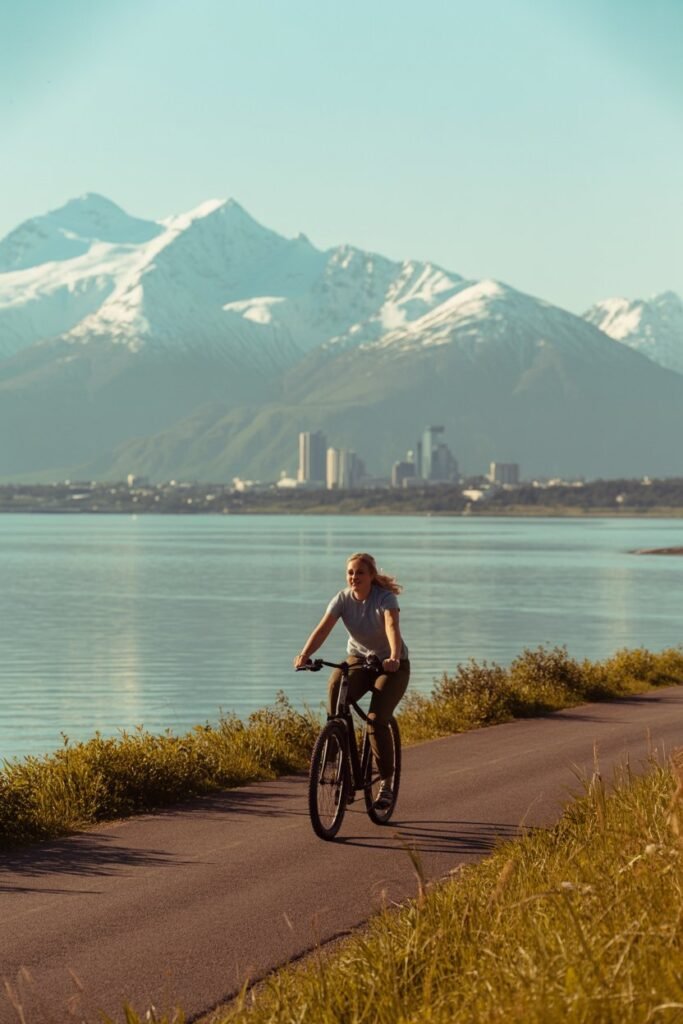
Your journey begins in Anchorage, and these first two days are all about settling in and gently introducing yourself to Alaska’s beauty.
After arriving, take some time to relax and adjust. Depending on what time you land, you can keep things light with a walk, a good meal, and some fresh air.
On your full day, explore at a comfortable pace:
What to do:
- Walk or bike along the scenic Tony Knowles Coastal Trail
- Visit local cafés, markets, and small museums
- Take a short drive to nearby viewpoints or nature spots
- If you’re feeling active, hike Flattop Mountain for incredible views
Why this stop matters:
Anchorage helps you transition into the rhythm of Alaska no rushing, just slowly soaking it all in.
Days 3–4: Denali National Park – Wildlife & Wide Open Landscapes
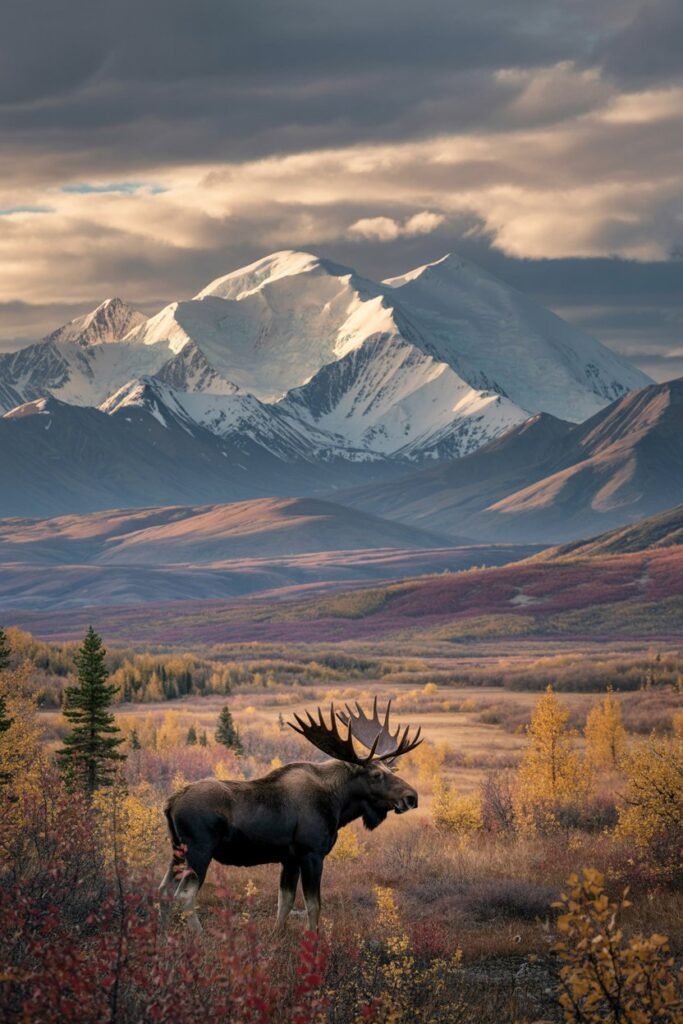
Next, head to Denali one of the most breathtaking parts of your trip.
The journey itself is part of the experience. You can either drive or take the scenic Alaska Railroad, which offers panoramic views along the way.
Once you arrive, the focus shifts to nature in its purest form.
What to do:
- Take a guided bus tour deep into the park (best way to see wildlife)
- Look out for bears, moose, caribou, and more
- Enjoy quiet moments surrounded by untouched landscapes
- Explore short hiking trails near the entrance
What makes these days special:
Denali is where Alaska feels truly wild. It’s peaceful, powerful, and completely unforgettable.
Days 5–6: Seward – Glaciers & Ocean Views
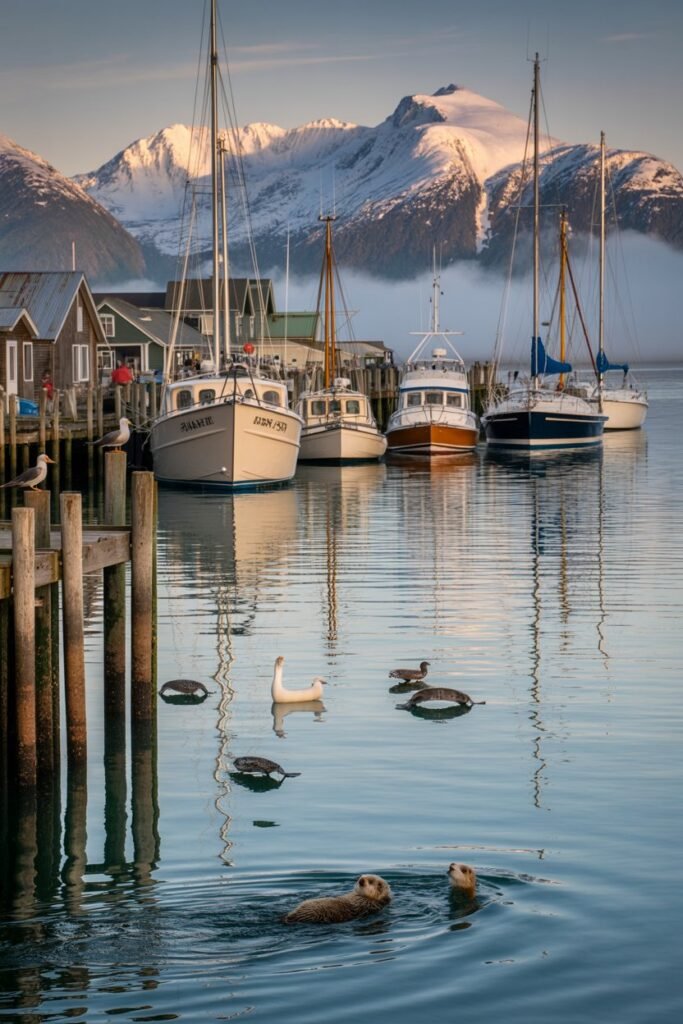
From Denali, return toward Anchorage and continue south to Seward, a charming coastal town that offers a completely different side of Alaska.
The drive to Seward is one of the most scenic routes in the state or you can again take the Alaska Railroad for a relaxing journey.
Seward is your gateway to Kenai Fjords National Park, where glaciers meet the ocean.
What to do:
- Take a full-day boat tour through Kenai Fjords National Park
- Watch glaciers calve into the sea (an unforgettable sight)
- Spot whales, sea lions, puffins, and otters
- Stroll along the harbor and enjoy the peaceful coastal vibe
Why you’ll love it:
These days feel slower and softer perfect for soaking in Alaska’s coastal beauty.
Day 7: Back to Anchorage – Relax & Reflect
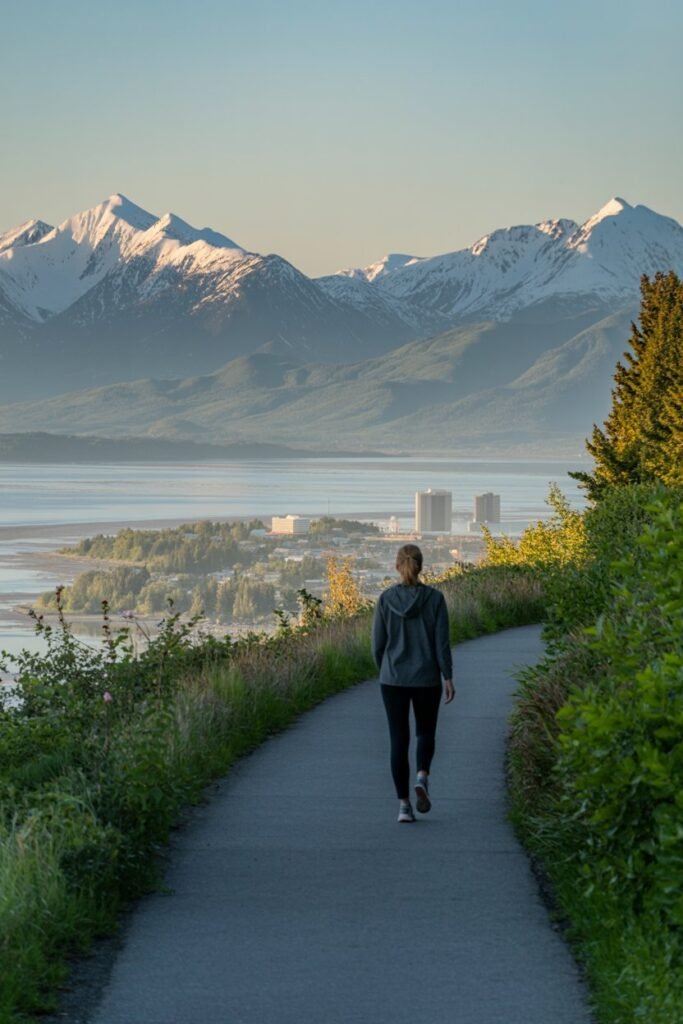
Return to Anchorage for your final day in this core itinerary.
Instead of packing in more activities, use this time to unwind and reflect on your trip.
What to do:
- Visit any spots you missed earlier
- Shop for souvenirs or local crafts
- Enjoy a nice dinner to wrap up your journey
- Take one last scenic walk or viewpoint stop
Why this day matters:
It gives your trip a calm, intentional ending instead of a rushed one.
Optional Extension (Days 8–10)
If you have extra time, this is where your trip becomes even more special. Choose one of the following based on your travel style:
Option 1: Juneau – Glaciers & Whale Watching
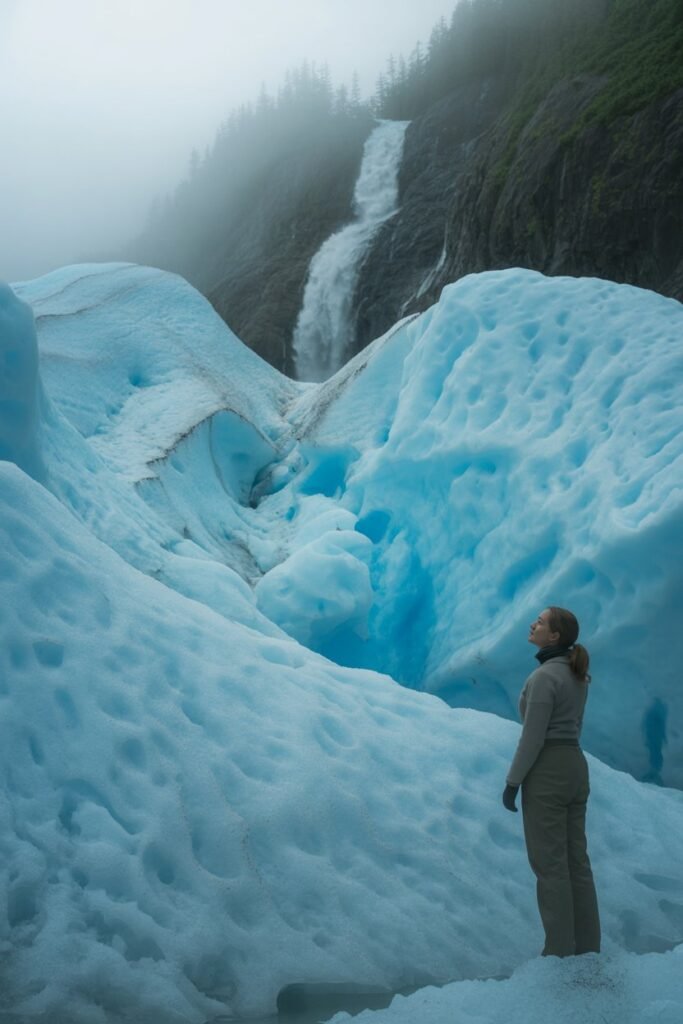
Fly to Juneau for a more remote, magical experience.
What to do:
- Visit the stunning Mendenhall Glacier
- Go whale watching (one of the best places in Alaska for it)
- Ride the Mount Roberts Tramway for panoramic views
- Explore waterfalls and forest trails
Perfect for:
Glacier lovers, ocean views, and a peaceful coastal atmosphere.
Option 2: Fairbanks – Northern Lights & Unique Experiences
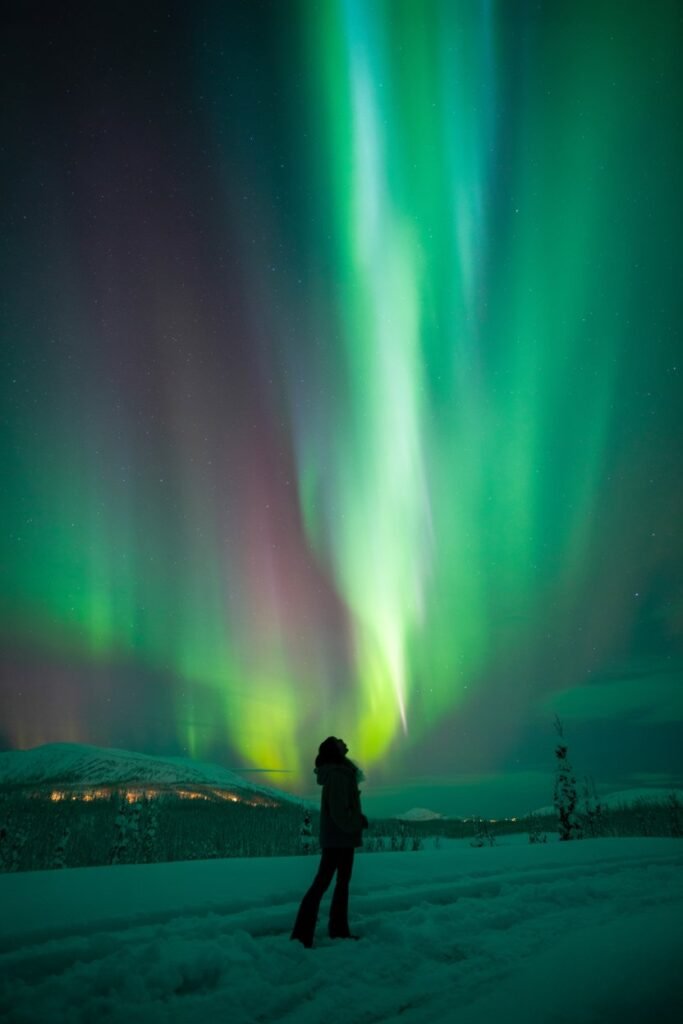
Head to Fairbanks if your dream is to see the northern lights (best from late August onward).
What to do:
- Watch the aurora dance across the sky
- Soak in natural hot springs
- Try dog sledding or seasonal activities
- Visit cultural and history museums
Perfect for:
Bucket-list experiences and something completely different from the rest of your trip.
How to Make This Itinerary Work for You
The beauty of this plan is that it’s flexible.
- Prefer a slower pace? Stay longer in each location
- Short on time? Focus on Anchorage + Seward or Denali
- Love scenic travel? Choose the Alaska Railroad over driving
How to Get Around Alaska
Getting around Alaska is a big part of your trip and honestly, it’s part of the adventure too.
Because Alaska is so vast and spread out, there’s no one-size-fits-all option. The best way to travel depends on your route, budget, and how you want to experience the journey.
Here’s a breakdown of your main options, so you can choose what feels right for you:
1. Rental Car – Best for Freedom & Flexibility
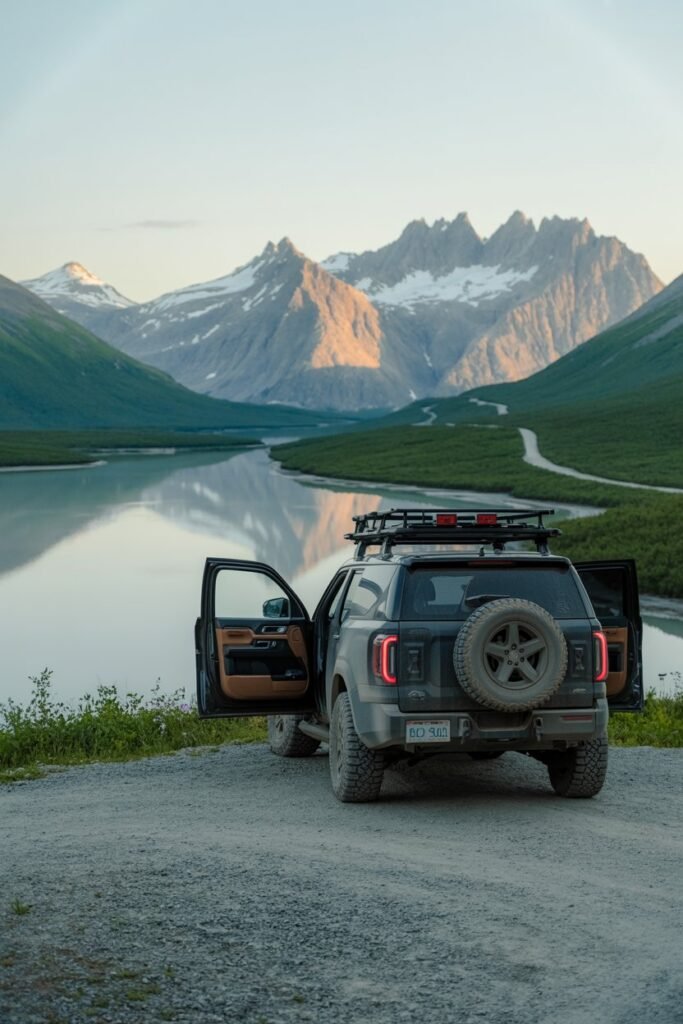
If you love having control over your schedule, renting a car is one of the best ways to explore Alaska.
It gives you the freedom to stop whenever something catches your eye whether it’s a scenic viewpoint, wildlife sighting, or a quiet roadside moment.
Best for routes like:
- Anchorage → Seward
- Anchorage → Denali National Park
What to expect:
- Well-maintained highways and stunning scenery
- Long but beautiful drives
- Easy access to smaller stops and hidden gems
Things to keep in mind:
- Book early, especially in summer
- Fuel stops can be far apart plan ahead
- You won’t need a car inside Denali itself (park buses are used)
Why you’ll love it:
It turns your trip into a true road adventure flexible, scenic, and completely your own.
2. Alaska Railroad – Scenic & Stress-Free Travel
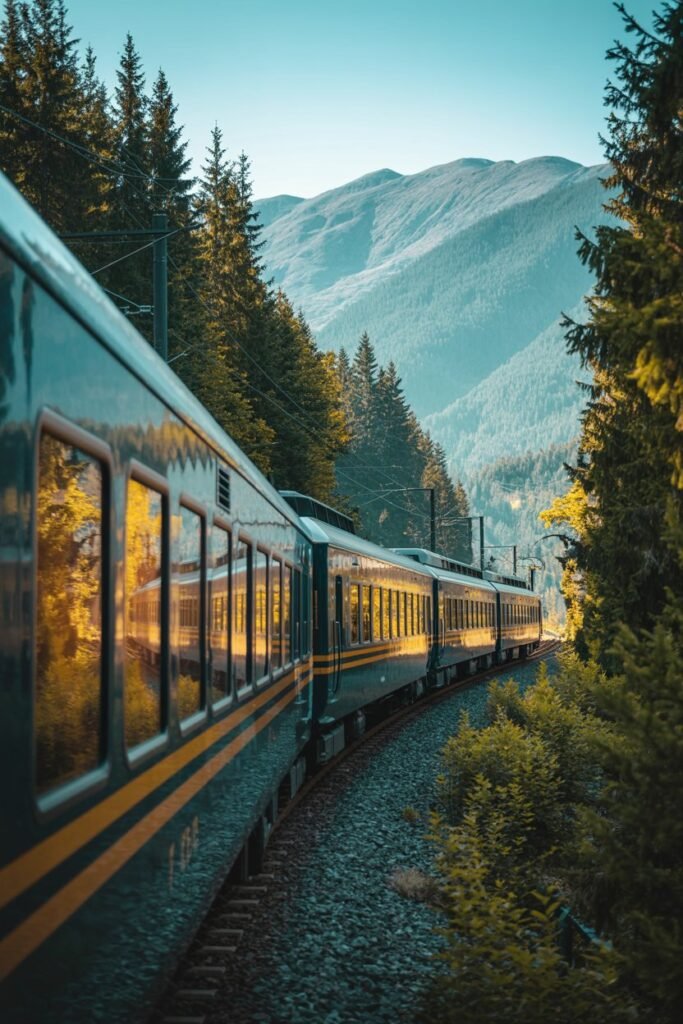
If you prefer to sit back and simply enjoy the views, the Alaska Railroad is one of the most beautiful ways to travel.
Large windows, comfortable seating, and panoramic landscapes make the journey just as memorable as the destination.
Popular routes include:
- Anchorage → Denali
- Anchorage → Seward
What to expect:
- Relaxed, no-stress travel
- Onboard dining and viewing decks
- Incredible scenery you might miss while driving
Good to know:
- It’s more expensive than driving
- Schedules are fixed, so less flexibility
- Seats can sell out quickly in peak season
Why it’s special:
It feels slow, peaceful, and intentional perfect if you want to truly soak in Alaska’s beauty.
3. Flights – Best for Long Distances & Remote Areas
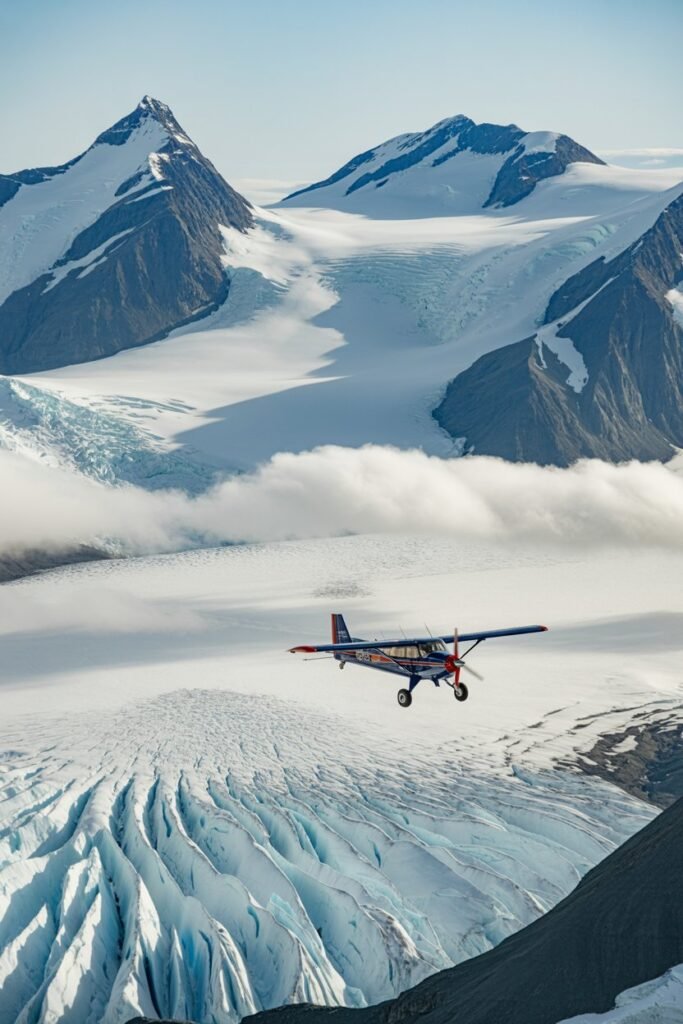
In Alaska, flying isn’t just convenient it’s often necessary.
Some destinations, like Juneau, aren’t connected by roads at all, so flights are the only practical option.
Best for:
- Reaching remote areas
- Saving time on long distances
- Adding destinations like Juneau or Fairbanks to your trip
What to expect:
- Short but scenic flights
- Frequent connections between major towns
- Easy access to otherwise unreachable places
Things to keep in mind:
- Book early for better prices
- Weather can sometimes affect schedules
Why it’s worth it:
It opens up parts of Alaska you simply can’t reach any other way.
4. Guided Tours – Easiest & Most Stress-Free Option
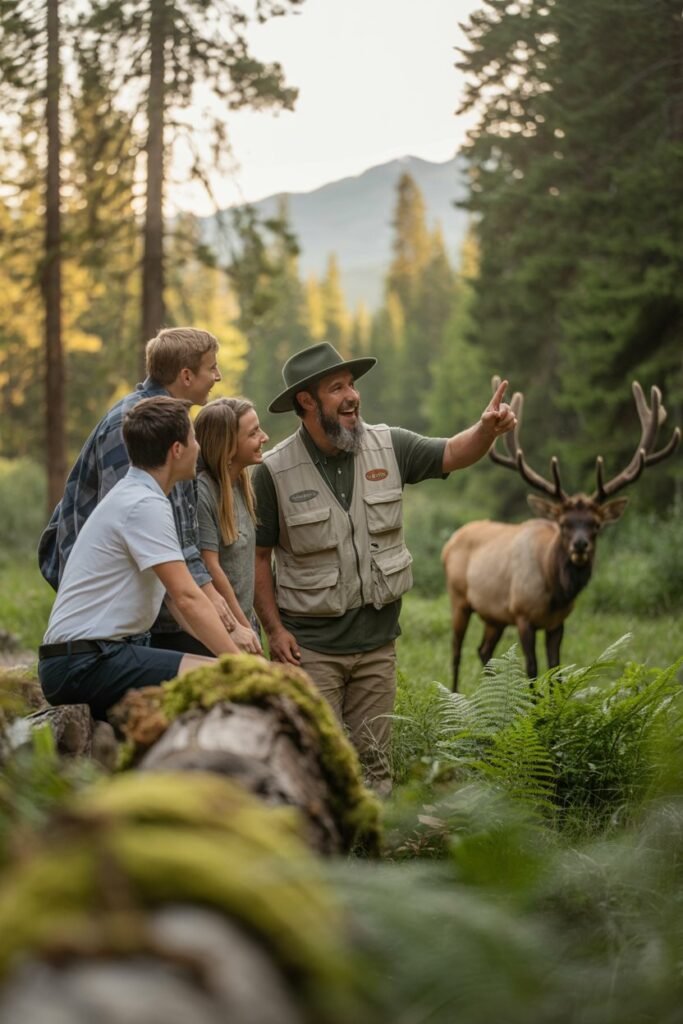
If you don’t want to worry about logistics, guided tours can make your entire trip feel effortless.
Everything is planned for you transportation, activities, and sometimes even meals so you can focus fully on the experience.
Best for:
- First-time visitors
- Short trips with limited planning time
- Travelers who prefer structure
What to expect:
- Comfortable transportation (vans, buses, boats)
- Expert guides sharing local knowledge
- Pre-planned itineraries
Good to know:
- Less flexibility compared to самостоятель travel
- Can be more expensive depending on the package
Why people choose this:
It removes the stress of planning and lets you simply enjoy Alaska.
How to Choose the Best Option for Your Trip
Instead of picking just one, most travelers use a combination of transportation methods.
Here’s a simple way to decide:
- Want flexibility and scenic stops? → Rental car
- Want a relaxing, scenic journey? → Alaska Railroad
- Traveling far or going remote? → Flights
- Prefer everything planned? → Guided tours
What to Pack for Alaska (Simple List)
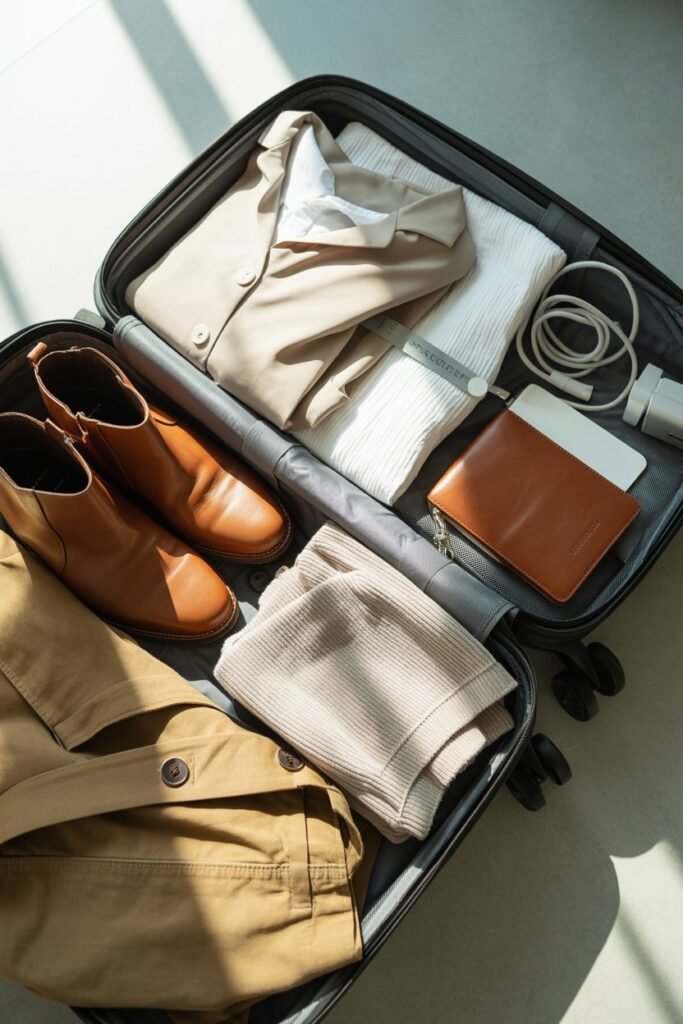
- Layered clothing (light + warm)
- Waterproof jacket
- Comfortable walking shoes
- Gloves or hat (even in summer)
- Travel backpack
- Camera or phone for photos
- Basic travel essentials (documents, chargers, etc.)
Budget Tips for Planning Your Trip

- Book flights and stays early
- Travel during shoulder season (May or September)
- Combine activities to save on tours
- Plan meals ahead where possible
- Choose a mix of paid tours and free nature spots
Best Time to Visit Alaska (Month-by-Month)
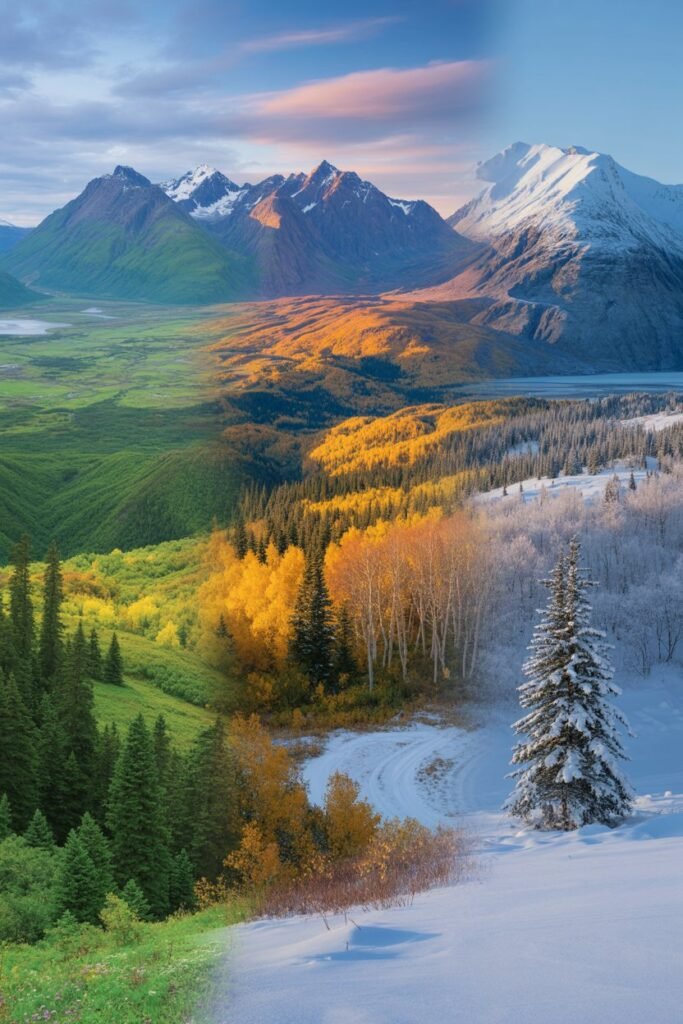
- May: Start of travel season, fewer crowds, cooler weather
- June: Long daylight hours, great for sightseeing and outdoor activities
- July: Warmest month, peak season with full access to tours
- August: Still great weather, slightly fewer crowds toward the end
- September: Fall colors, quieter atmosphere, chance to see northern lights in places like Fairbanks
- October–April: Cold and snowy, best for winter experiences and northern lights
How Many Days You Really Need
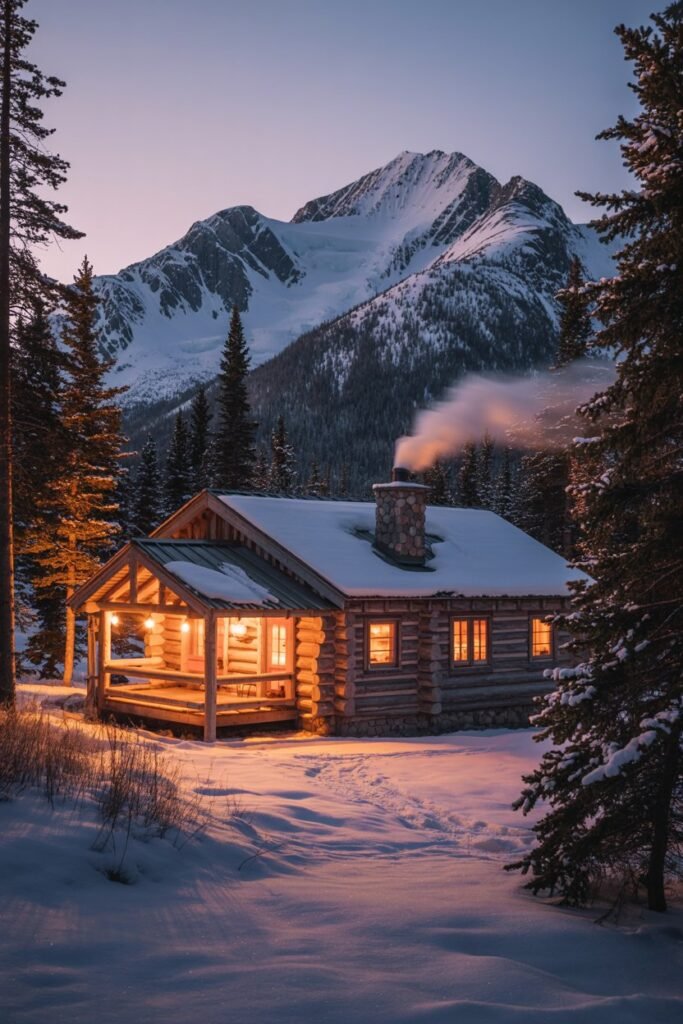
- 5 days: Quick trip (focus on one or two locations)
- 7–10 days: Ideal for a balanced experience across multiple areas
- 10–14 days: More relaxed pace with deeper exploration
- 2+ weeks: Full Alaska experience without rushing
Where to Stay (Best Areas)
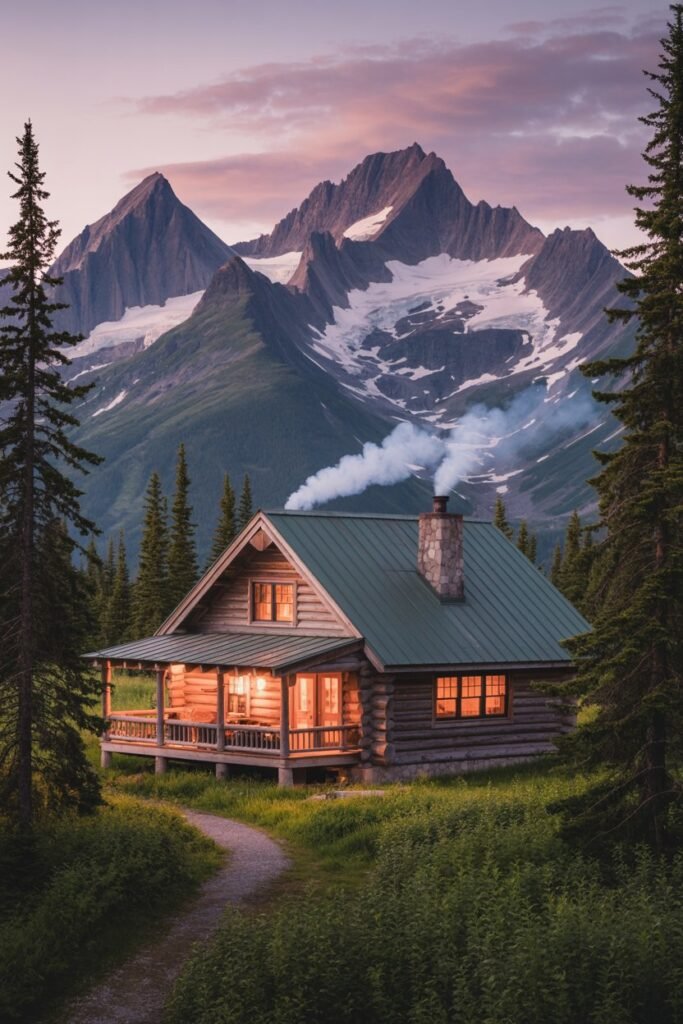
- Anchorage – Best starting point with easy access to major routes
- Seward – Coastal views and access to glaciers
- Near Denali National Park – Perfect for wildlife and nature
- Juneau – Great for glacier and whale experiences
Must-Do Experiences in Alaska
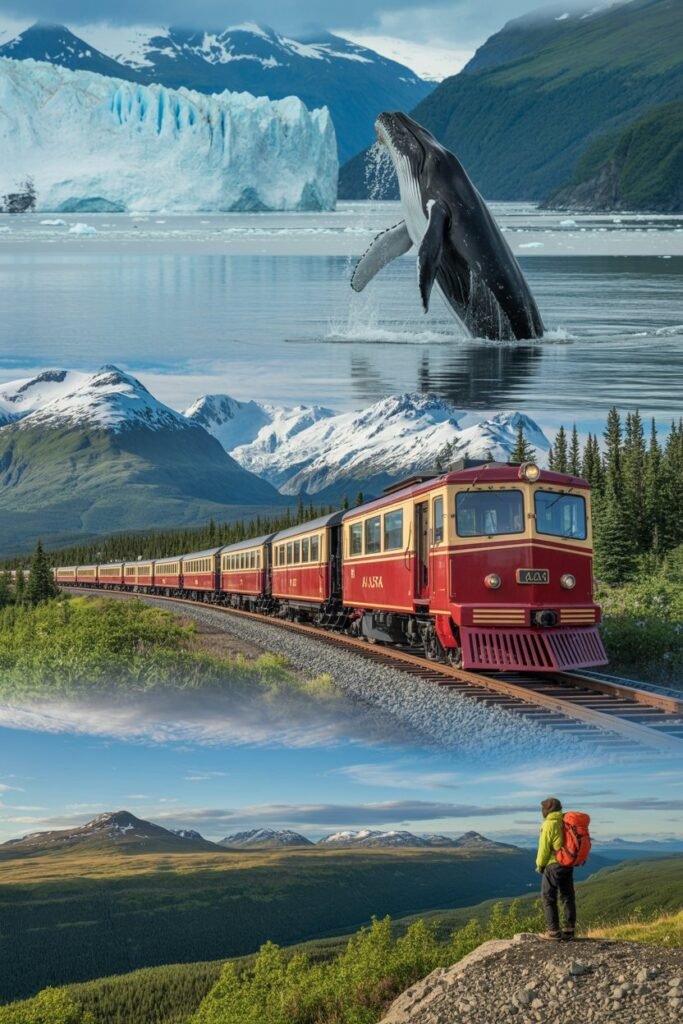
- Explore glaciers in Kenai Fjords National Park
- Wildlife spotting in Denali National Park
- Take a scenic ride on the Alaska Railroad
- Whale watching near Juneau
- Enjoy scenic drives and mountain views across the state
Travel Tips for First-Time Visitors
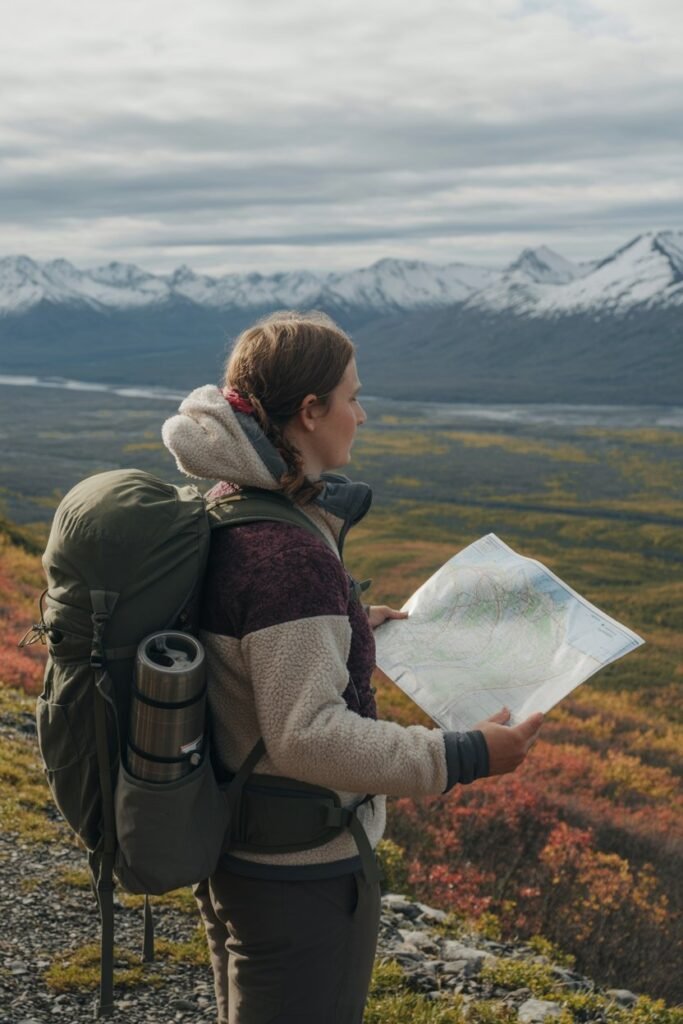
- Plan your route before booking anything
- Expect long daylight hours in summer
- Book major tours early
- Keep your itinerary flexible
- Focus on a few places instead of trying to see everything
Safety Tips (Important + Builds Trust)
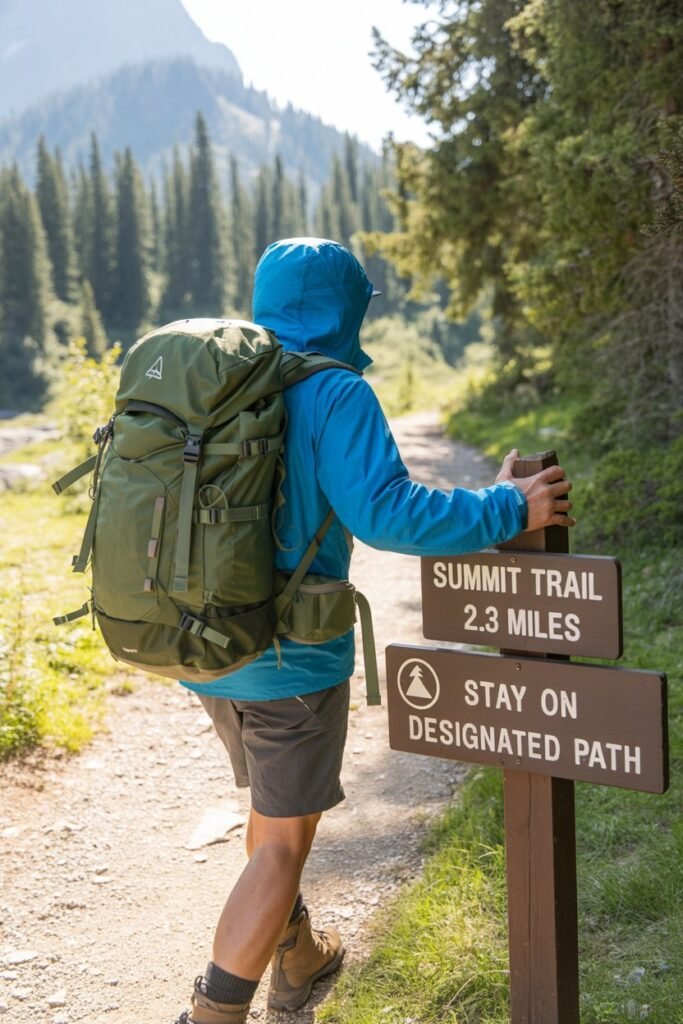
- Keep a safe distance from wildlife
- Dress in layers for changing weather
- Stay on marked trails
- Carry basic essentials when exploring
- Always let someone know your plans
Quick Checklist Before You Go
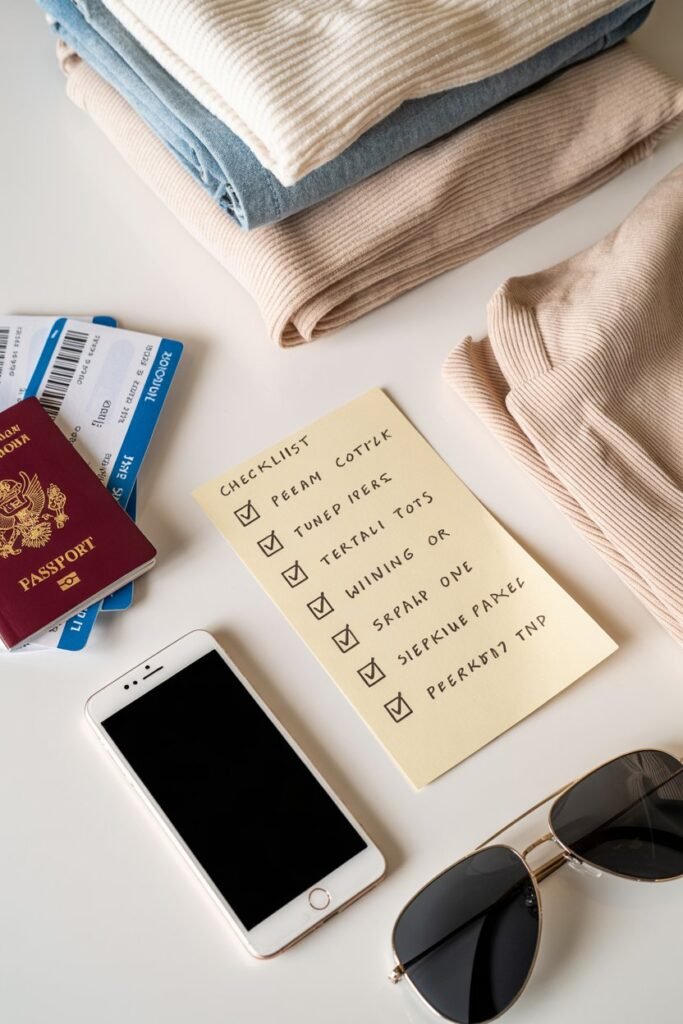
- Book flights and accommodation
- Plan your itinerary
- Pack layered clothing
- Reserve key activities
- Prepare travel documents
Pro Tip (Short but High Value)
One of the best decisions you can make is to plan fewer stops and spend more time in each place. Alaska isn’t about rushing it’s about fully experiencing where you are.
Mistakes I Made Planning My Trip
- Trying to fit too many locations into a short trip
- Underestimating travel distances
- Not booking key activities early
- Packing for only one type of weather
- Not leaving room for flexibility
First-Time Alaska Travel Checklist (Lead Magnet Idea)

You can turn this into a downloadable:
- Trip planning timeline
- Packing checklist
- Must-book experiences
- Daily itinerary planner
- Budget tracker
Best Photo Spots in Alaska
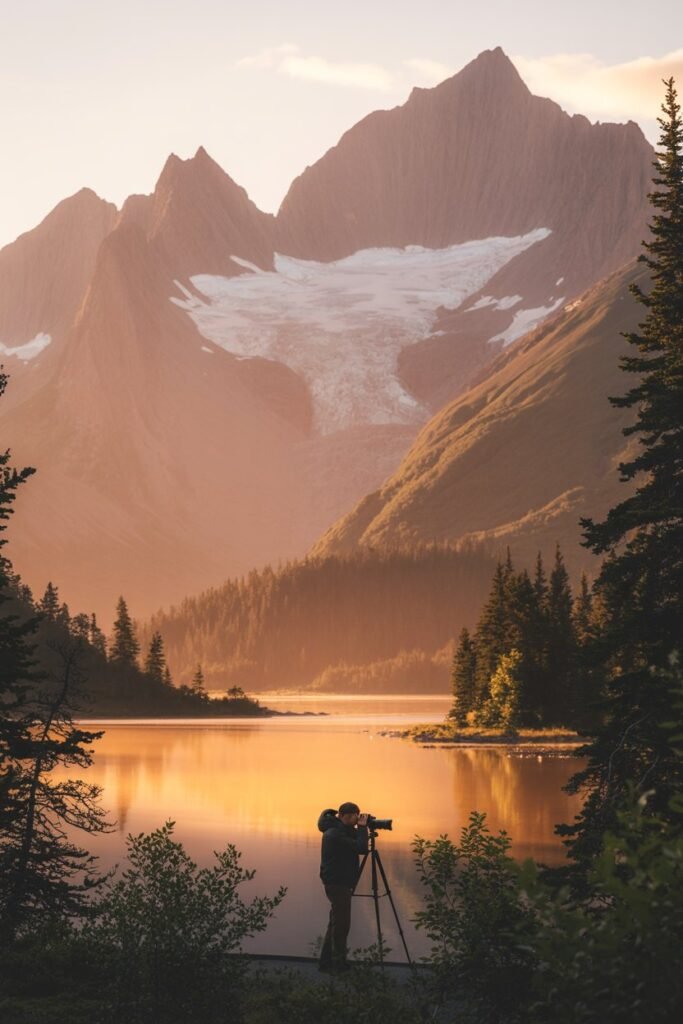
- Denali National Park – Mountain and wildlife shots
- Kenai Fjords National Park – Glaciers and ocean views
- Seward – Coastal scenery
- Anchorage viewpoints – Easy scenic access
- Fairbanks – Northern lights photography
FAQ: Planning a Trip to Alaska
When is the best time to visit Alaska?
The best time is usually between late May and early September for milder weather and full access to tours and activities.
How many days do I need for Alaska?
Ideally 7–10 days to explore multiple areas without feeling rushed.
Is Alaska expensive to visit?
It can be, but planning ahead helps you control costs with better deals on flights, stays, and activities.
Do I need a car in Alaska?
It depends on your route. Some areas are accessible by train or tours, but having a car gives you more flexibility.
What should I pack for Alaska?
Layers are key—weather can change quickly, even in summer.
Final Thoughts
Planning a trip to Alaska in 2026 doesn’t have to feel complicated. Once you break it down into locations, timing, and a simple route, everything starts to come together naturally.
The key is to keep things realistic—give yourself enough time in each place, stay flexible, and focus on experiences you’ll actually enjoy instead of trying to see everything at once.
Alaska is one of those destinations that rewards good planning with unforgettable moments, and once you’re there, you’ll be glad you took the time to do it right.