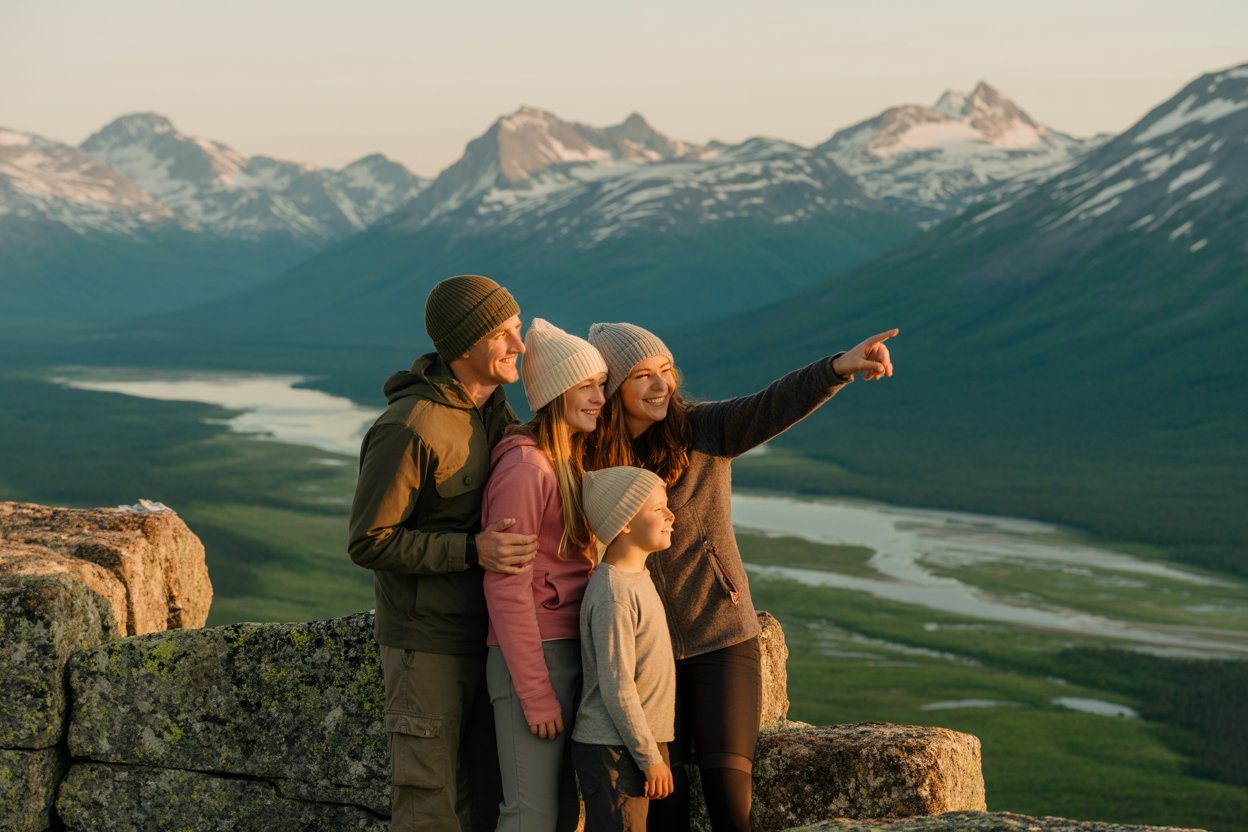
Planning a trip to Alaska wasn’t something I thought we’d actually do this year.
It started as one of those casual conversations after dinner—my kids were still wide awake, my husband was half-watching a travel video, and I was mentally counting how much we’d already spent that week.
Alaska felt big, expensive, and honestly a little overwhelming to plan.
But the more I looked into it, the more I realized something—Alaska isn’t just a trip you “wing.” It’s a place that rewards good planning.
The kind where choosing the right time, route, and experiences can completely change your entire vacation.
So instead of rushing into bookings, I slowed down and planned it properly—around our budget, our routine, and what would actually make the trip enjoyable for all of us (not exhausting).
And that made all the difference.
If you’re thinking about visiting Alaska in 2026, this guide will walk you through exactly how to plan it smart—so you can enjoy every moment without feeling stressed, overspending, or trying to do too much.
Disclaimer: This post may contain affiliate links, which means I may earn a small commission at no extra cost to you. Always check weather conditions and travel advisories before planning your trip to Alaska.
Amazon Shopping List: How to Plan the Perfect Trip to Alaska
- Waterproof Winter Jacket (Insulated, Windproof)
- Thermal Base Layer Set (Top & Bottom)
- Waterproof Hiking Boots (Snow & Ice Grip)
- Large Waterproof Backpack (Travel Daypack)
- Packing Cubes Travel Organizer Set
- Portable Power Bank (High Capacity)
- Travel First Aid Kit (Compact Emergency Kit)
How to Plan the Trip
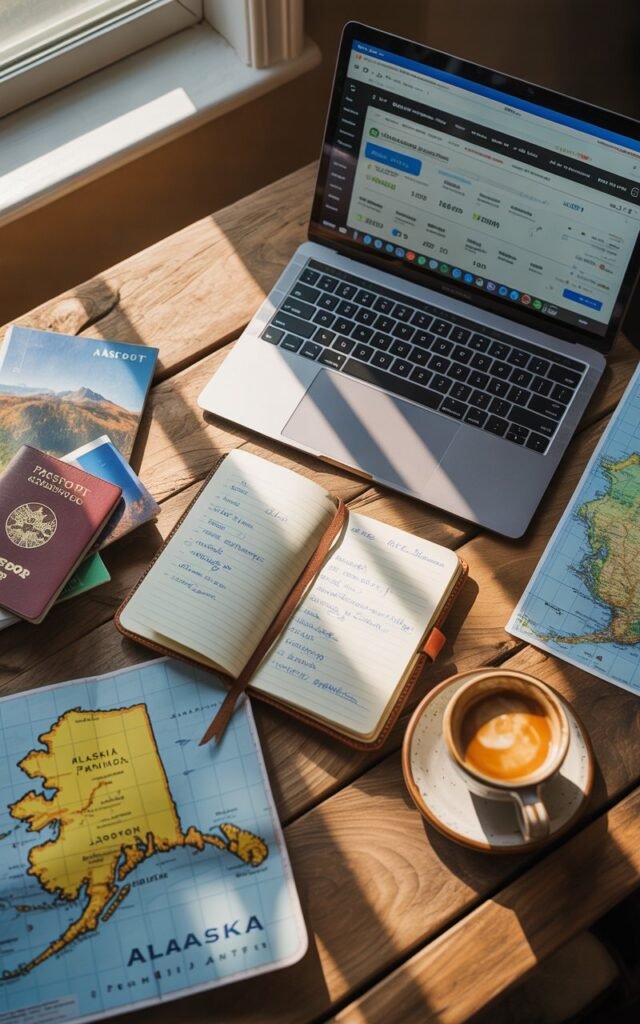
Planning our trip to Alaska got so much easier when I stopped overthinking it and followed a simple structure that fit our family routine.
Here’s what actually worked:
- Pick your dates first – I chose a time that worked with the kids’ schedule and gave us good weather (summer is the easiest).
- Set a clear budget – I quickly mapped out flights, stay, food, and activities so we didn’t overspend.
- Choose 2–3 main spots – We kept it simple with Anchorage, Denali National Park, and Seward.
- Book the essentials early – Flights, car rental, and accommodation go fast, so I handled those first.
- Plan a few key activities – Just 1 main thing per day so we didn’t feel rushed.
- Keep your itinerary flexible – Some of our best moments were unplanned, like random stops and slow evenings.
Once I did this, everything fell into place—and I wasn’t stressed trying to manage every little detail during the trip.
Why I Loved This Trip
Our trip to Alaska felt different from the moment we arrived—and honestly, that’s why I loved it so much.
It wasn’t just about seeing new places. It was the way everything slowed down for us as a family.
We weren’t rushing from one crowded attraction to another. Instead, we had space—real space.
The kids could run around, we could take our time, and even simple moments (like sitting quietly with a view or driving with no distractions) felt special.
What stood out to me most was how present we all were. No one was glued to screens, no one was stressed about schedules.
Even my husband, who’s usually checking something on his phone, was just… there with us.
I also loved how every place felt unique. From Anchorage to Denali National Park and down to Seward, nothing felt repetitive. Every stop had its own vibe, its own pace.
And if I’m being real—the quiet moments ended up meaning the most.
Eating simple meals together, long drives with endless daylight, the kids laughing over nothing… those are the things I still think about.
It didn’t feel like just a vacation. It felt like time we don’t usually get back home—and that’s what made it unforgettable.
1. Choose the Best Time to Visit Alaska
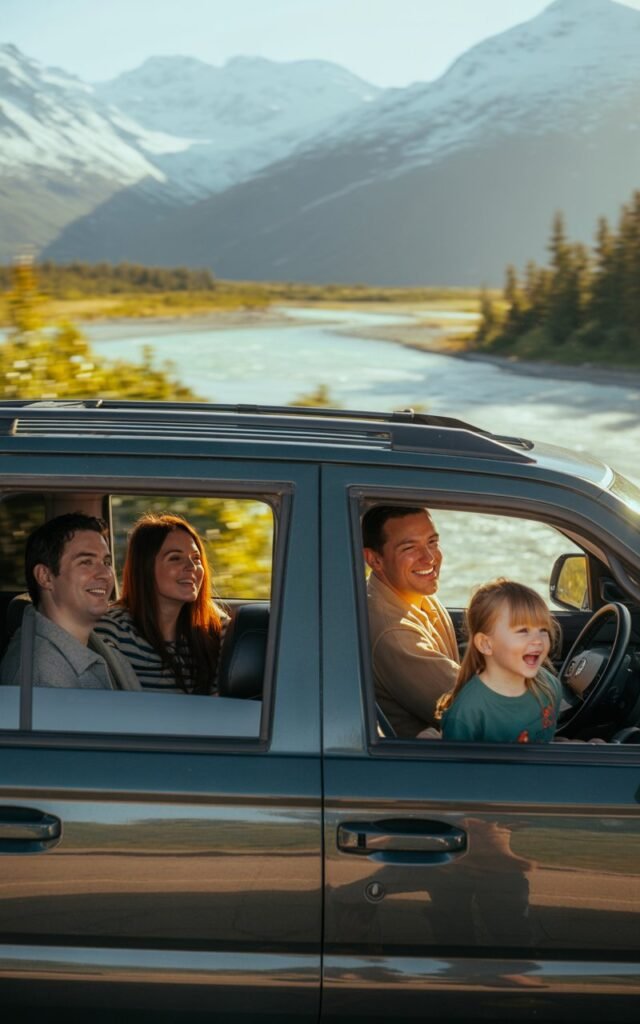
Timing is everything with Alaska.
We went in early July, and it honestly felt like we unlocked the best version of the state.
- May–June: Fewer crowds, cheaper prices, blooming landscapes
- July–August: Warmest weather, best for families, long daylight hours
- September: Fall colors, fewer tourists, but cooler and wetter
One thing that surprised me? The daylight. In summer, Alaska barely gets dark. My kids thought it was the coolest thing ever—they were still full of energy at 10 PM.
If you’re traveling with family, aim for late June to mid-July. It’s the easiest and most enjoyable window.
2. Decide What Kind of Trip You Want
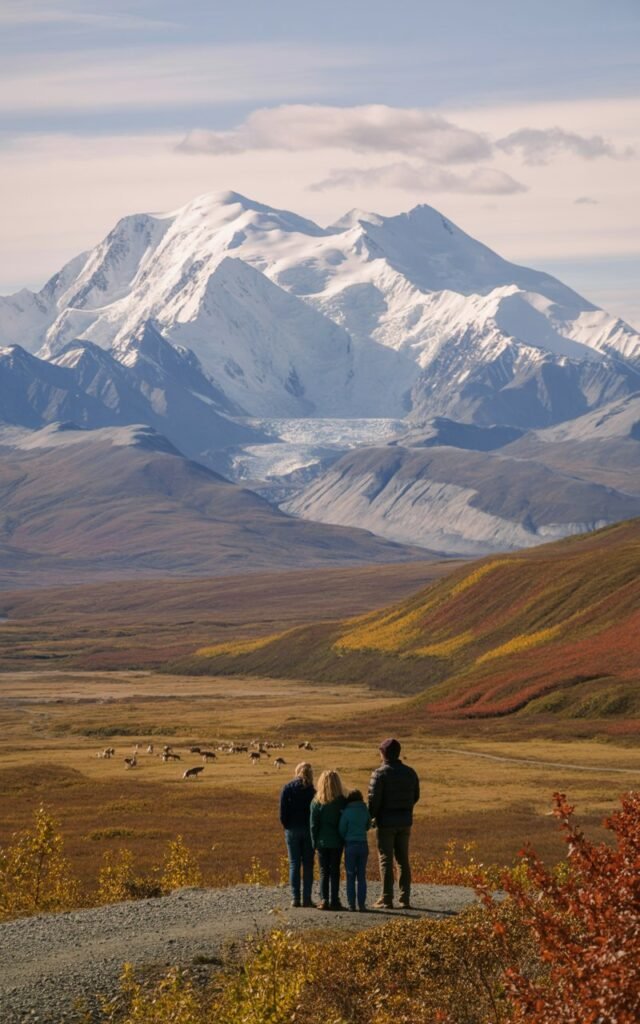
Before booking anything, figure out your style of trip.
We debated between:
- A cruise
- A road trip
- A mix of both
We ended up doing a land-based trip, renting a car and exploring at our own pace—and honestly, it gave us more freedom (especially with kids).
Popular options:
- Cruise (easy, relaxing, scenic)
- Road trip (flexible, adventurous)
- Train + tours (comfortable but structured)
If you like control, flexibility, and spontaneous stops (like we do), go with a road trip.
3. Plan Your Route (Don’t Overpack Your Itinerary)
Alaska is HUGE. This is where most people go wrong.
We made the mistake of trying to “see everything” at first. It doesn’t work.
Instead, focus on 2–3 key areas like:
- Anchorage
- Denali National Park
- Seward
Our route looked like this:
- Fly into Anchorage
- Drive to Denali
- Head down to Seward
It gave us a mix of wildlife, mountains, and ocean views—without rushing.
4. Budget Smart (Alaska Is Not Cheap)

I’ll be real with you—Alaska can get expensive fast.
Between food, lodging, and activities, we had to stay intentional with spending.
Here’s how we managed:
- Booked accommodations early
- Mixed hotels with budget-friendly stays
- Packed snacks for the kids (huge money saver)
- Chose 1–2 big activities instead of overbooking
Daily costs (for a family) can range from:
- $150–$400+ for lodging
- $50–$150 for food
- $100–$300 for activities
We treated some days as “slow days” just to balance the budget—and honestly, those ended up being our favorite moments.
5. Book Key Activities in Advance
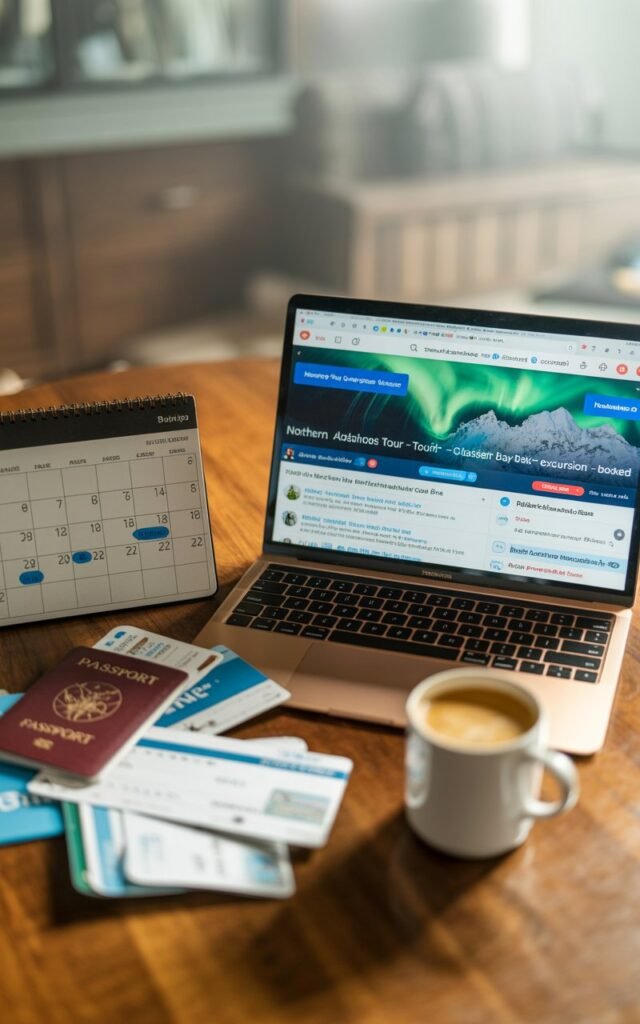
Some experiences in Alaska sell out quickly—especially in peak season.
We made sure to book ahead for:
- Wildlife tours
- Glacier cruises
- Denali bus tours
One of our favorite memories was seeing glaciers up close. The kids still talk about the ice cracking and falling into the water—it felt unreal.
Don’t leave these to chance. Plan early.
6. Pack Smart for Alaska Weather
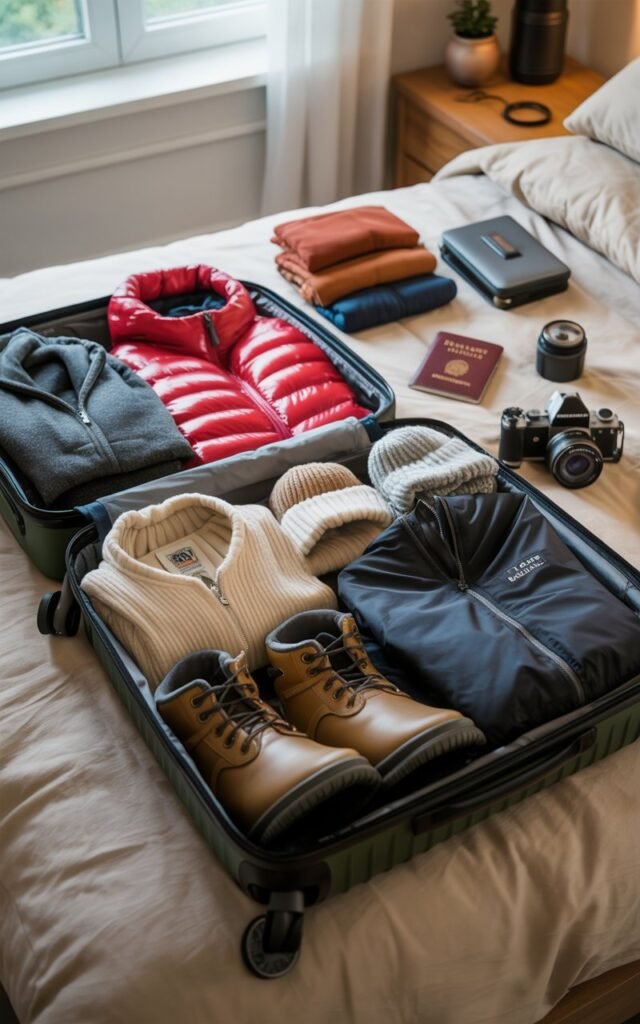
This was one area I underestimated.
Even in summer, Alaska weather changes fast.
What worked for us:
- Light layers (t-shirts + hoodies)
- Waterproof jackets
- Comfortable walking shoes
- Gloves and hats (yes—even in July!)
One morning was sunny, and by afternoon we were in cold wind and light rain. Layers saved us.
7. Make Room for Slow, Meaningful Moments
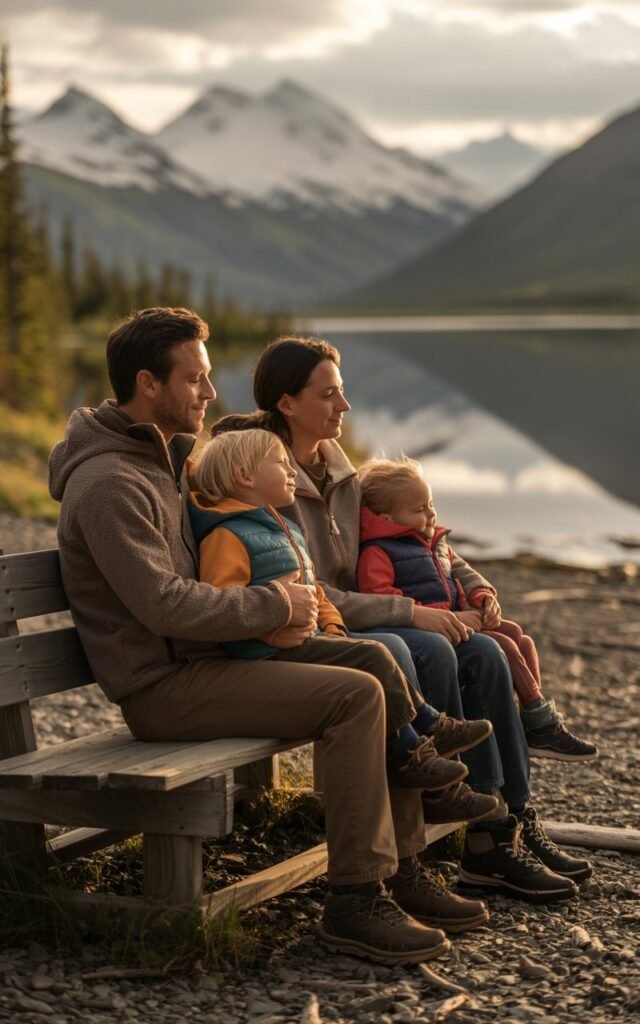
This is something I didn’t plan—but ended up loving the most.
Some of our best memories weren’t “big attractions”:
- Sitting by the water eating simple takeout
- Watching wildlife from the car
- Letting the kids run around open spaces
- Late-night drives with endless daylight
Those quiet, everyday moments made the trip feel personal—not rushed or exhausting.
8. Tips for Traveling with Kids (From Experience)
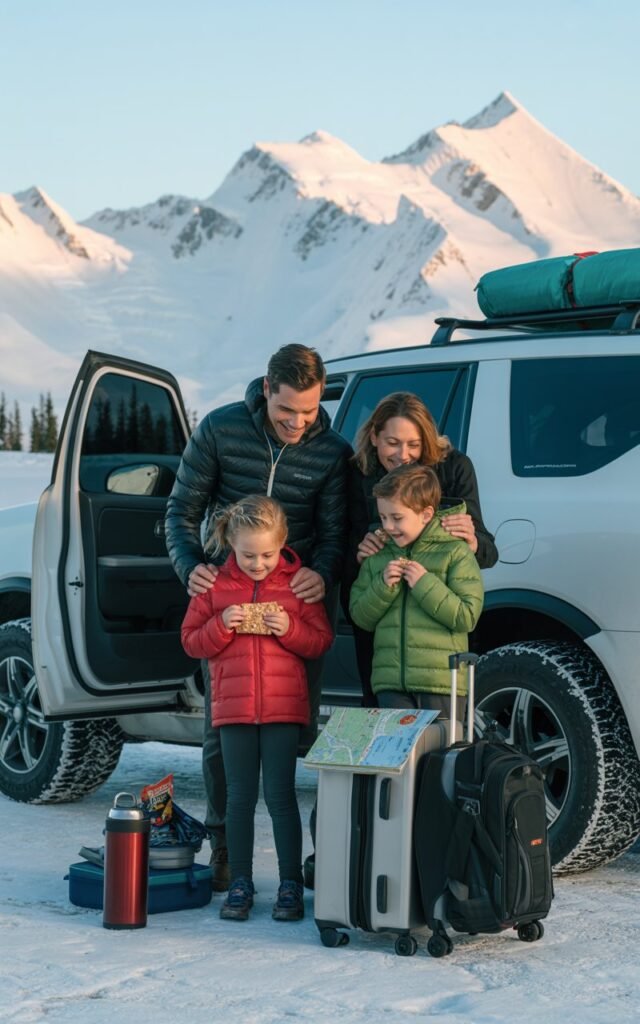
Traveling with kids in Alaska is amazing—but you need to plan smart.
Here’s what helped us:
- Keep driving distances reasonable
- Bring snacks and entertainment
- Plan breaks for them to move around
- Don’t overpack the schedule
We also made sure each day had one highlight—that way, everyone stayed excited without burnout.
Extra Tips: What’s Acceptable (and What’s Not)
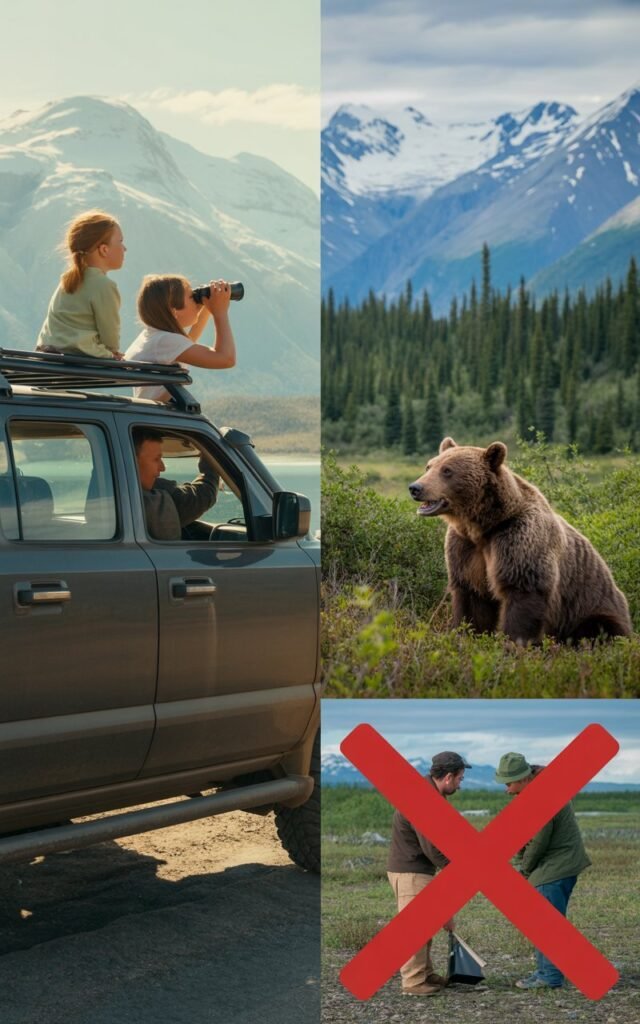
One thing I didn’t fully realize before visiting Alaska is that it’s not just another tourist destination—it has its own pace, culture, and unspoken rules.
Once we understood that, the whole experience felt smoother and more respectful.
Here are some real, practical tips based on what we learned:
What’s Acceptable
- Taking your time
Alaska isn’t a rush-type destination. Slowing down, enjoying the views, and not overpacking your schedule actually fits the vibe. - Respecting nature (at a distance)
Wildlife is everywhere—and it’s normal to stop and admire it from afar. We stayed in the car most times, especially with the kids. - Casual, practical dressing
No one cares about fancy outfits. Layers, comfort, and function are the norm here. - Being friendly but low-key
People are kind, but not overly chatty. A simple smile or greeting goes a long way.
What’s Not Acceptable
- Getting too close to wildlife
This is a big one. It might look calm, but animals in places like Denali National Park are wild and unpredictable. Never approach them. - Littering or disrespecting nature
Alaska is incredibly clean and untouched. Leaving trash behind or ignoring rules is taken seriously. - Overplanning every minute
Trying to “do it all” actually works against you here. It leads to stress instead of enjoyment. - Underestimating distances and weather
Drives are longer than they look, and weather can change fast. We learned quickly to always be prepared.
A Simple Tip That Helped Us Most
I kept reminding myself: we’re guests here. That mindset changed how we moved, how we planned, and how we experienced everything.
And honestly, once we slowed down and respected the rhythm of Alaska, the trip just felt right.
FAQs About Planning a Trip to Alaska
1. What is the best month to visit Alaska?
The best time is June to July if you want warm weather, long daylight hours, and the easiest experience for families. August is still good, but it can be a bit rainier.
2. How many days do you need in Alaska?
I’d recommend 7 to 10 days minimum. That gave us enough time to explore places like Anchorage, Denali National Park, and Seward without feeling rushed.
3. Is Alaska expensive for a family trip?
Yes, it can be—but it depends on how you plan. We managed costs by booking early, limiting paid activities, and mixing simple meals with occasional dining out.\
4. Is it better to do a cruise or a land trip?
It depends on your style.
- Cruise: Easier and more relaxed
- Land trip: More flexible and personal
We chose a land trip because we wanted freedom with the kids, and it worked perfectly for us.
5. Do you need a rental car in Alaska?
If you’re not doing a cruise, then yes—a rental car makes a huge difference. It gave us flexibility to stop, explore, and move at our own pace.
6. What should you pack for Alaska?
Think layers:
- Light clothes
- Warm hoodie or jacket
- Waterproof outer layer
- Comfortable shoes
Even in summer, the weather can change quickly.
7. Is Alaska safe for kids?
Yes, very safe—but you need to be mindful of nature. Always keep a safe distance from wildlife and follow park guidelines, especially in areas like Denali National Park.
8. Can you see the Northern Lights in summer?
No, the Northern Lights are usually visible from late September to March. Summer has too much daylight.
9. How far in advance should I plan an Alaska trip?
I’d suggest 3–6 months in advance, especially if you’re traveling in peak season. Flights, accommodations, and tours book up quickly.
10. Is Alaska worth it?
Honestly—yes. It’s not the cheapest or easiest trip to plan, but it gives you something different. Slower days, real connection, and memories that actually stick.
Final Thoughts: Is Alaska Worth It?
Absolutely.
Planning this trip took more effort than our usual vacations, but it gave us something different—real connection, adventure, and unforgettable family moments.
If you’re thinking about Alaska for 2026, start early, keep your plans simple, and leave room for real-life moments in between.
That’s what turns a trip into a memory.