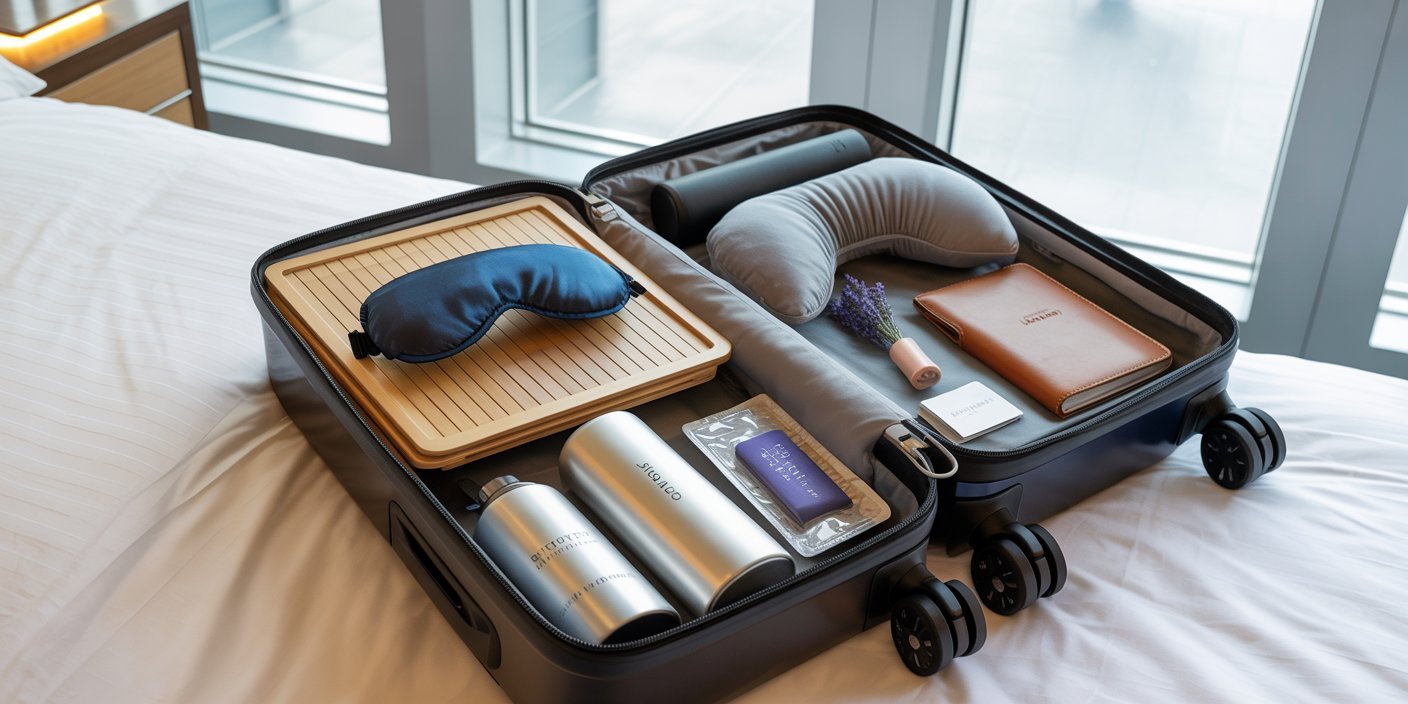
The first long haul flight I ever took taught me an important lesson. I packed the obvious things like my passport, charger, and a few snacks, but I gave very little thought to staying comfortable during the journey itself.
A few hours after takeoff, I started to notice all the little things I had overlooked. My neck was sore from trying to sleep without proper support, my skin felt dry from the cabin air, my phone battery was running low, and I still had several hours left before we even began our descent.

By the time I landed, I was far more tired than I expected, and I realized how much a little preparation could have improved the experience.
Since then, I have completely changed the way I pack for long flights. Rather than filling my carry on with random items I might never use, I focus on a small collection of travel essentials that actually make the journey more comfortable, organized, and enjoyable.
If you have a long haul flight coming up, these are the items I never like to travel without. They take up very little space in my bag, but they make a noticeable difference from takeoff to landing and help me arrive feeling much more refreshed.
Disclaimer: This post contains affiliate links. If you make a purchase through these links, we may earn a small commission at no extra cost to you.
Amazon Shopping List You Need
- Memory Foam Neck Pillow
Provides proper neck support so you can sleep comfortably during long flights.
BUY NOW ON AMAZON - Compression Socks
Improves blood circulation and helps prevent swelling during long hours of sitting.
BUY NOW ON AMAZON - Sleep Eye Mask
Blocks out light to help you relax and get better rest on the plane.
BUY NOW ON AMAZON - Travel Blanket or Scarf
Keeps you warm and comfortable in cold airplane cabins.
BUY NOW ON AMAZON - Travel Toiletry Kit (TSA-Approved)
Lets you freshen up with essentials like wipes, toothbrush, and skincare during the flight.
BUY NOW ON AMAZON
You might also love: 11 Things You Should Always Pack in Your Carry-On.
Why Packing for a Long Flight Is Different
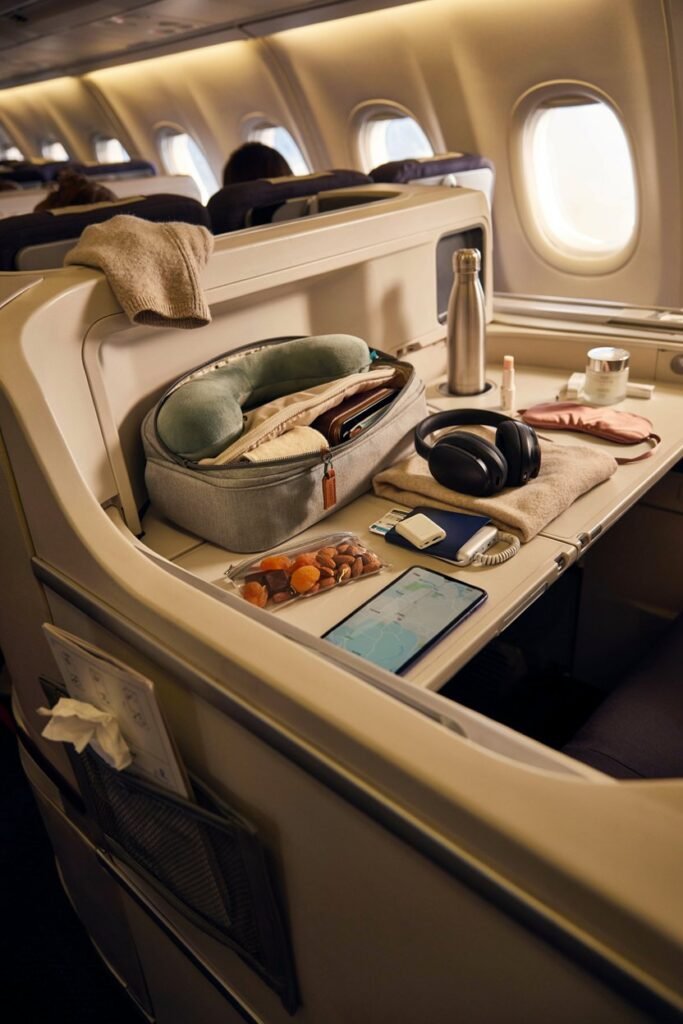
Packing for a long haul flight is very different from packing for a short trip. When you are spending eight, ten, or even twelve hours on a plane, comfort becomes just as important as having your travel documents.
The cabin environment can leave you feeling tired, dehydrated, and uncomfortable if you are not prepared. Limited legroom, dry air, changing temperatures, and long periods of sitting can all make the journey feel much longer than it actually is.
That is why I always pack a few essentials in my carry on instead of relying on the airline to provide everything I might need.
Small items like a travel pillow, refillable water bottle, power bank, headphones, and a light sweater can make a huge difference throughout the flight.
A little planning before you leave home can help you stay comfortable, entertained, and organized, making it much easier to arrive at your destination feeling rested and ready to enjoy your trip.
Video Guide for More Ideas
1. Memory Foam Travel Pillow
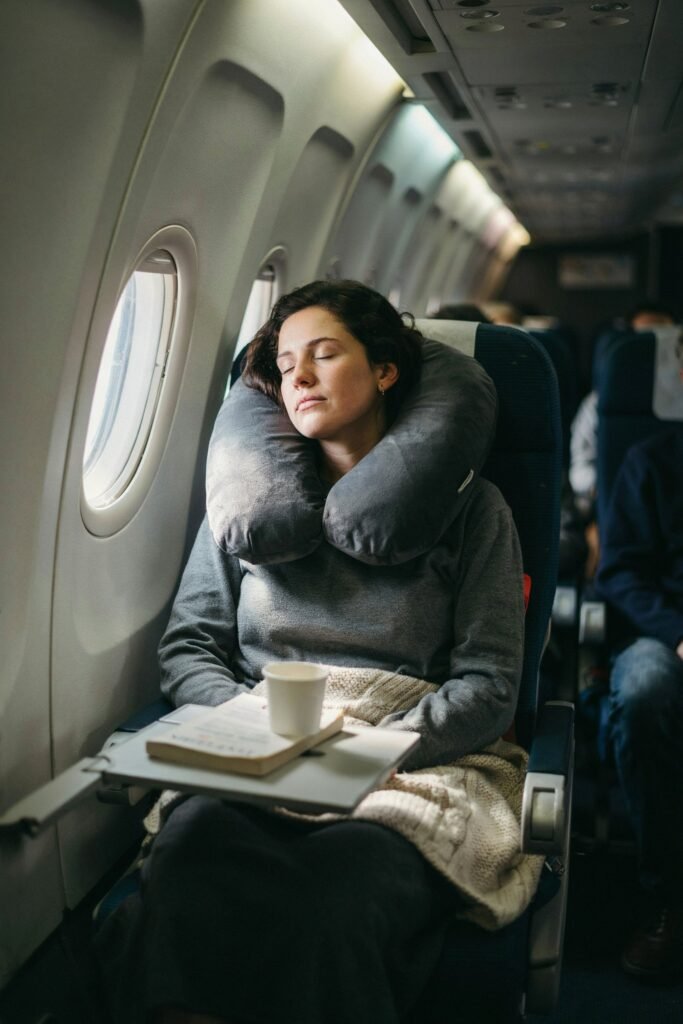
A quality travel pillow is the first thing I pack for every long flight.
Trying to sleep without proper neck support usually leaves me waking up with a sore neck, and it’s difficult to enjoy the rest of the trip when you’re already uncomfortable before you arrive.
A memory foam pillow gives much better support than the inflatable ones I’ve tried in the past, and it makes resting during the flight much easier.
Why I Never Fly Without It
- Supports my neck while sleeping.
- Helps reduce stiffness after long flights.
- Makes it easier to relax.
- Comfortable during airport layovers.
- Lightweight and easy to carry.
How It Makes the Flight Better
Even if I only manage a short nap, having proper neck support helps me feel much more rested when I land.
It’s one of those travel items that I appreciate more on every trip.
My Tips
I attach my travel pillow to the outside of my carry on backpack instead of packing it inside.
It saves space and keeps it easy to grab as soon as I board the plane.
Discover more: 25 Things You Should Always Pack in Your Carry-On (Smart Travel Essentials You’ll Be Glad You Brought)
2. Compression Socks

Compression socks weren’t something I thought about until I started taking longer flights.
Now they’re one of the first items I pack because they help my legs feel much better after sitting for several hours.
They’re comfortable, lightweight, and easy to wear under almost any outfit.
Why I Never Fly Without Them
- Helps improve circulation.
- Reduces leg fatigue.
- More comfortable during long periods of sitting.
- Easy to pack.
- Great for long travel days.
How They Make the Flight Better
By the time I arrive, my legs feel much less tired, especially after overnight or international flights where I’m sitting for long stretches.
My Tips
Choose compression socks that fit properly without feeling too tight.
I usually put them on before leaving for the airport so they’re comfortable throughout the entire journey.
Read more: 11 Things You Should Avoid Packing for Any Travel Destination
3. Noise Canceling Headphones

Long flights are much more enjoyable when I can block out background noise.
Engine sounds, nearby conversations, and cabin announcements can make it difficult to relax, especially if I’m trying to sleep or watch a movie.
A good pair of noise canceling headphones creates a much calmer environment.
Why I Never Fly Without Them
- Blocks unwanted cabin noise.
- Makes movies and music sound better.
- Helps me relax.
- Perfect for podcasts and audiobooks.
- Useful during airport layovers.
How They Make the Flight Better
Putting on my headphones almost feels like creating my own quiet space.
Whether I’m listening to calming music or watching a downloaded movie, the flight feels much more peaceful.
My Tips
I fully charge my headphones before every trip and download my favorite playlists and podcasts so I don’t have to rely on airplane WiFi.
4. Reusable Water Bottle

Staying hydrated is one of the easiest ways to feel better during a long flight, yet it’s something many travelers forget about.
Airplane cabins are naturally dry, and I always notice the difference when I drink water consistently throughout the journey.
Why I Never Fly Without It
- Encourages me to drink more water.
- Saves money at the airport.
- Easy to refill after security.
- Keeps water close throughout the flight.
- Reduces single use plastic waste.
How It Makes the Flight Better
Drinking plenty of water helps me feel more refreshed after landing, especially on overnight flights where dehydration can make jet lag feel even worse.
My Tips
I bring an empty insulated water bottle through airport security and fill it before boarding.
Cold water stays refreshing for much longer during the flight.
You will also like: The Ultimate Summer Vacation Packing List for Couples (Everything You Actually Need)
5. Portable Phone Charger

A long flight usually means I’m using my phone more than usual.
Between checking flight updates, reading, listening to music, taking photos, and staying in touch with family, the battery can drain surprisingly fast.
Having a portable phone charger means I never have to worry about my phone running out of power before I reach my destination.
Why I Never Fly Without It
- Keeps my phone charged throughout the trip.
- Helpful during long layovers.
- Great for airports with limited charging stations.
- Charges other small devices too.
- Gives me peace of mind while traveling.
How It Makes the Flight Better
Knowing my phone will stay charged lets me enjoy movies, music, travel apps, and digital boarding passes without constantly checking the battery percentage.
My Tips
I fully charge my power bank the night before every trip and keep a charging cable in the same pocket so everything is easy to find.
6. Moisturizing Skincare Essentials
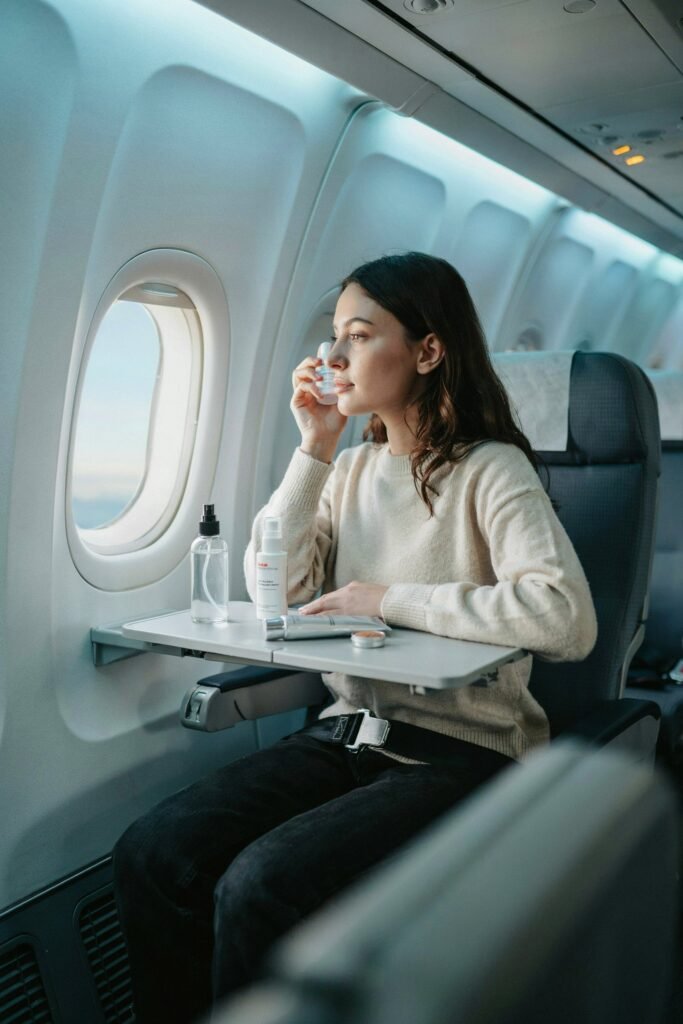
One thing I noticed after my first few long flights was how dry my skin felt by the time I landed.
The air inside an airplane cabin can leave your face, lips, and hands feeling dehydrated, especially on overnight flights.
I don’t pack a full skincare routine.
Instead, I bring a few travel sized products that help my skin stay comfortable throughout the journey.
Why I Never Fly Without Them
- Helps prevent dry skin.
- Keeps my lips from becoming chapped.
- Makes me feel refreshed before landing.
- Easy to carry in a small toiletry bag.
- Doesn’t take up much space.
My Travel Skincare Essentials
- Lip balm
- Travel size moisturizer
- Facial mist
- Hand cream
- Facial cleansing wipes
My Tips
I apply moisturizer and lip balm before boarding, then reapply them during the flight whenever my skin starts to feel dry.
It’s a simple habit that makes a noticeable difference on longer journeys.
7. Healthy Snacks

Airline meals don’t always arrive when I’m hungry, and airport food can be expensive or limited depending on where I’m traveling.
Packing a few healthy snacks means I always have something to eat if my flight is delayed or I need a quick energy boost between meals.
Why I Never Fly Without Them
- Helps keep my energy up.
- Saves money at the airport.
- Useful during delays.
- Easy to enjoy without making a mess.
- Helps me avoid buying unhealthy snacks.
My Favorite Long Flight Snacks
- Mixed nuts
- Trail mix
- Protein bars
- Granola bars
- Dried fruit
- Whole grain crackers
- Roasted chickpeas
- Dark chocolate
My Tips
I pack a combination of protein rich and high fiber snacks because they help keep me full for longer than sugary treats.
I also avoid anything with a strong smell out of consideration for other passengers.
8. Eye Mask and Earplugs

Getting quality rest on a long flight isn’t always easy.
Bright cabin lights, nearby conversations, and general movement can make falling asleep difficult.
A comfortable eye mask and a pair of soft earplugs have become two of the simplest but most effective items in my carry on.
Why I Never Fly Without Them
- Blocks unwanted light.
- Reduces surrounding noise.
- Makes sleeping easier.
- Doesn’t take up much room.
- Useful in hotels as well.
How They Make the Flight Better
Even if I only manage an hour or two of sleep, I usually feel much more refreshed after using an eye mask and earplugs than I do without them.
They’re especially helpful on overnight flights when I want to arrive feeling as rested as possible.
My Tips
I choose a soft, contoured eye mask that doesn’t press against my eyes and keep a spare pair of earplugs in my travel pouch in case I misplace one during the flight.
9. Tablet, Kindle, or Book

One of the easiest ways to make a long flight feel shorter is to have something you genuinely enjoy doing.
I always download a few movies, save a couple of books, or bring my Kindle so I have plenty of entertainment without relying on the airplane’s onboard system.
Having options means I can switch between reading, watching a movie, or listening to an audiobook whenever I feel like it.
Why I Never Fly Without It
- Keeps me entertained for hours.
- Helps the flight pass more quickly.
- Doesn’t rely on in flight entertainment.
- Great for relaxing before sleeping.
- Perfect during long layovers.
What I Usually Download
- Movies
- TV shows
- Books
- Audiobooks
- Travel guides
- Podcasts
My Tips
I download everything before leaving home so I can enjoy it without needing WiFi.
I also lower my screen brightness during overnight flights to make it more comfortable for my eyes.
10. Lightweight Blanket or Oversized Scarf
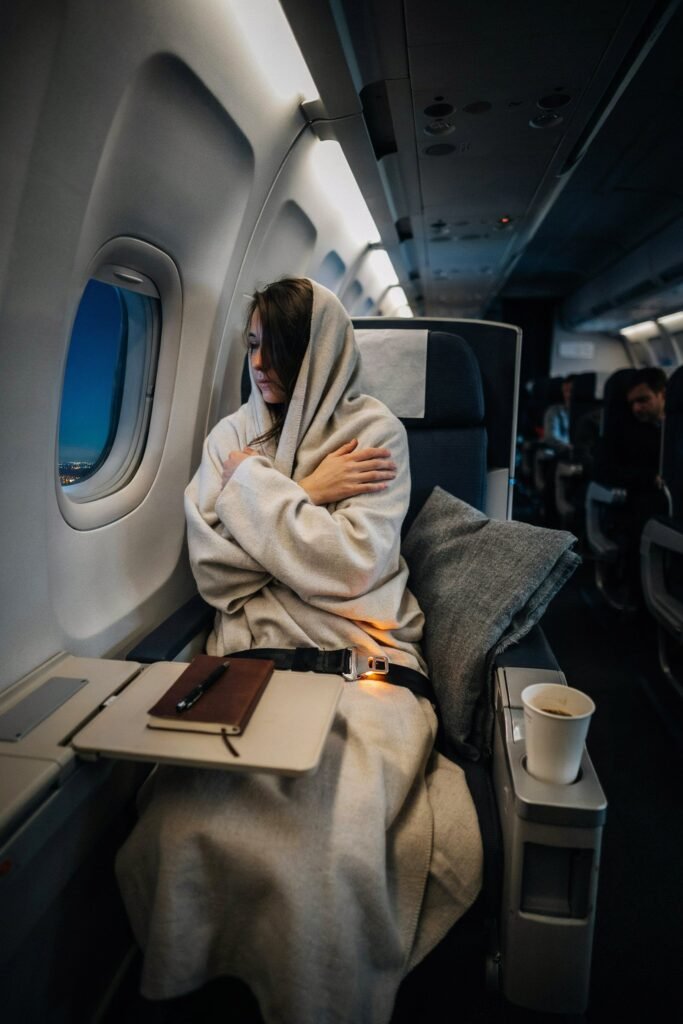
Even if an airline provides blankets, I still like bringing my own lightweight travel blanket or a large scarf.
Airplane cabins can become chilly, especially on overnight or international flights, and having an extra layer makes it much easier to stay comfortable.
An oversized scarf is one of my favorite travel items because it’s surprisingly versatile and doesn’t take up much room.
Why I Never Fly Without It
- Keeps me warm during the flight.
- Adds extra comfort while sleeping.
- Lightweight and easy to pack.
- Can be used as a pillow or lumbar support.
- Useful after landing if the weather is cool.
How It Makes the Flight Better
Wrapping up in a soft blanket or scarf helps create a much cozier space, making it easier to relax and fall asleep during long flights.
My Tips
I choose a lightweight fabric that folds easily inside my carry on.
Neutral colors are practical because they match everything and can also be worn as a regular scarf during the trip.
11. Freshen Up Kit
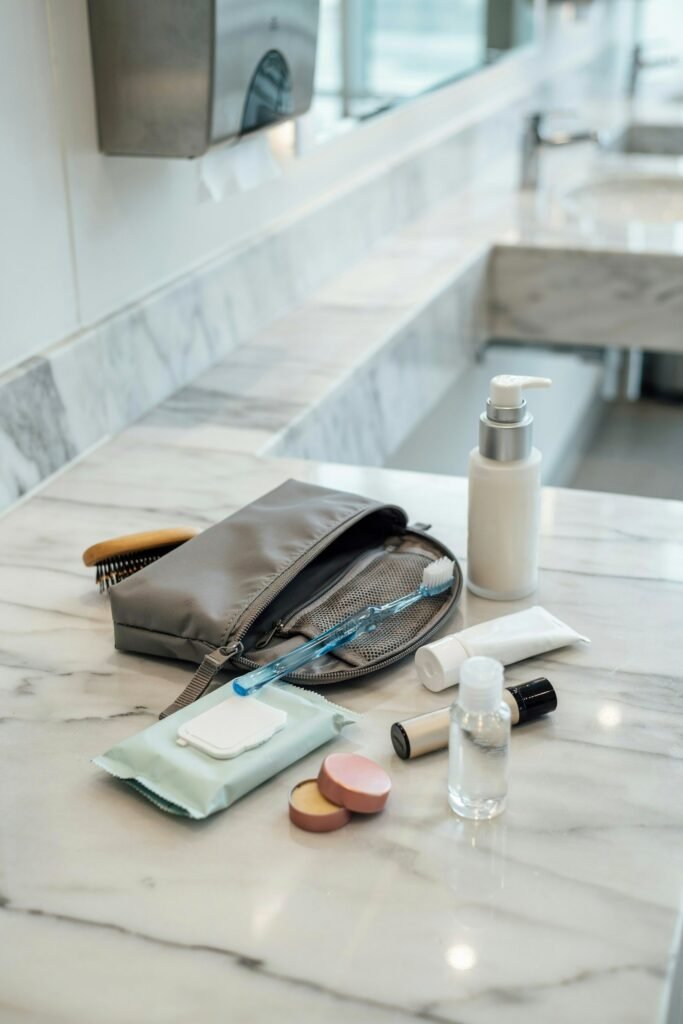
After spending many hours on an airplane, I always appreciate having a small kit that helps me feel refreshed before I leave the airport.
It doesn’t need to be complicated.
Just a few travel sized essentials can help you feel much more comfortable before heading to your hotel, meeting friends, or exploring a new destination.
Why I Never Fly Without It
- Helps me feel refreshed after landing.
- Easy to access during the flight.
- Doesn’t take up much space.
- Perfect after overnight flights.
- Helps me feel ready to start my trip.
What I Keep Inside
- Toothbrush
- Travel size toothpaste
- Facial wipes
- Deodorant
- Lip balm
- Moisturizer
- Hairbrush or comb
- Hand sanitizer
- Tissues
My Tips
I keep my freshen up kit in a small pouch near the top of my carry on so I can quickly grab it before landing or during a layover.
Freshening up for just a few minutes always helps me feel more energized.
My Long Flight Comfort Routine

After a few international trips, I settled into a simple routine that helps every long flight feel more comfortable.
It doesn’t require a lot of effort, but it makes a noticeable difference in how I feel when I arrive.
Before Boarding
Before I even step onto the plane, I make sure my water bottle is filled, my electronics are fully charged, and everything I’ll need during the flight is easy to reach.
I also organize my seat essentials before takeoff, including my headphones, travel pillow, lip balm, and a healthy snack, so I don’t have to search through my bag later.
During the Flight
Once we’re in the air, I focus on staying comfortable and hydrated instead of sitting in the same position for hours.
Here’s what I try to do:
- Drink water regularly.
- Stretch my legs whenever it’s safe to walk around.
- Switch between reading, movies, and music.
- Apply lip balm and moisturizer if my skin feels dry.
- Eat small snacks between meals.
- Take short naps instead of trying to sleep the entire flight.
Before Landing
About an hour before we arrive, I like to freshen up in the restroom.
I usually:
- Brush my teeth.
- Wash my face or use facial wipes.
- Apply moisturizer.
- Refill my water bottle if possible.
- Put away my entertainment devices.
- Double check my travel documents.
Starting the day feeling clean and organized makes arriving at a new destination much more enjoyable, especially after an overnight flight.
Common Long Flight Packing Mistakes to Avoid

Even after taking several long flights, I still like to double check my carry on before leaving for the airport.
A little preparation makes the journey much smoother, and avoiding a few common mistakes can help you arrive feeling much more comfortable.
Here are the packing mistakes I always try to avoid.
Forgetting to Stay Hydrated
Many travelers don’t realize how dry airplane cabins can be.
Waiting until you feel thirsty usually means you’re already dehydrated.
I always bring a reusable water bottle and make it a habit to drink water throughout the flight instead of only during meal service.
Packing Everything at the Bottom of Your Bag
There’s nothing worse than searching through your entire carry on for your headphones or lip balm while everyone around you is settled into their seats.
I keep the items I’ll use most often in the top compartment or front pocket so I can reach them quickly without unpacking my bag.
Relying Only on In Flight Entertainment
Most airlines offer movies and TV shows, but it’s always smart to have your own entertainment ready.
Downloading books, movies, podcasts, or playlists before your trip means you’ll always have something to enjoy, even if the onboard system isn’t available.
Wearing Uncomfortable Clothing
Tight jeans, stiff fabrics, or uncomfortable shoes can make a long flight feel even longer.
I always travel in breathable clothing with comfortable shoes and bring a lightweight hoodie in case the cabin gets cold.
Packing Too Many Nonessential Items
It’s tempting to fill every inch of your carry on, but a heavy bag quickly becomes frustrating to carry through airports.
I focus on items that will genuinely improve the flight and leave anything unnecessary at home.
Frequently Asked Questions
What should I always pack in my carry on for a long flight?
Your carry on should include travel essentials that keep you comfortable and prepared, such as a travel pillow, headphones, power bank, reusable water bottle, snacks, chargers, important documents, medications, and a light sweater or jacket.
How do I stay comfortable during a long haul flight?
Wear comfortable clothing, stay hydrated, move around the cabin every few hours, and bring items like a neck pillow, eye mask, and noise canceling headphones to make resting easier.
Can I bring snacks on a long flight?
Yes. Most airlines allow passengers to bring solid snacks through airport security. Items like protein bars, trail mix, crackers, and dried fruit are easy to pack and can help if you get hungry between meal services.
Is a power bank worth bringing on a flight?
Absolutely. A power bank can keep your phone, tablet, or other devices charged throughout the journey, especially if your seat does not have a working charging port.
Final Thoughts
Every long haul flight reminds me that the journey is just as much a part of the trip as the destination itself.
A little preparation before leaving home can make hours in the air feel far more comfortable and much less stressful.
These days, I do not fill my carry on with items I probably will not use. Instead, I pack a handful of essentials that help me stay comfortable, organized, and entertained throughout the flight.
Small things like a neck pillow, power bank, reusable water bottle, or a good pair of headphones may not seem important at first, but they can completely change your travel experience.
Before your next flight, take a few extra minutes to think about what will make the journey easier, not just what you need after you land.
Packing smart means you can relax, enjoy the flight, and arrive feeling refreshed instead of exhausted.
The right travel essentials will not only improve your time in the air, but they will also help you start your adventure on the right foot.