I have learned that the best Italy moments are not always the ones you plan months in advance.
Sometimes they happen when you take the wrong road, miss the faster train, or decide that one more stop cannot possibly hurt your itinerary.
That is how I started paying attention to the places that rarely make the front page of a travel guide.
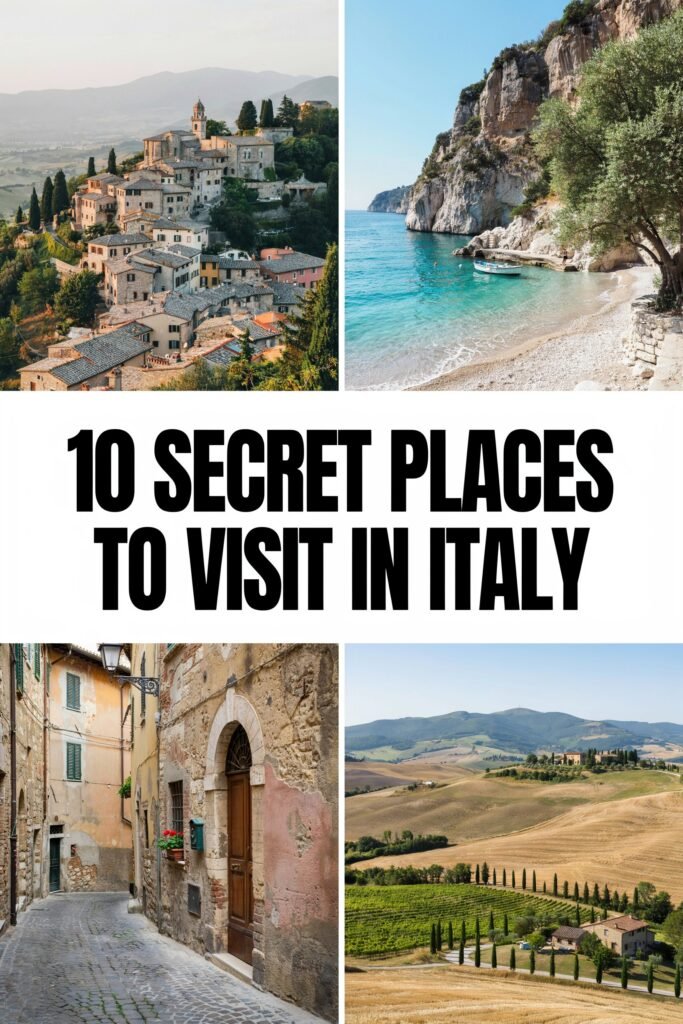
Small towns with beautiful streets, quiet coastal corners, and destinations where the biggest challenge is usually figuring out why you have never heard of them before.
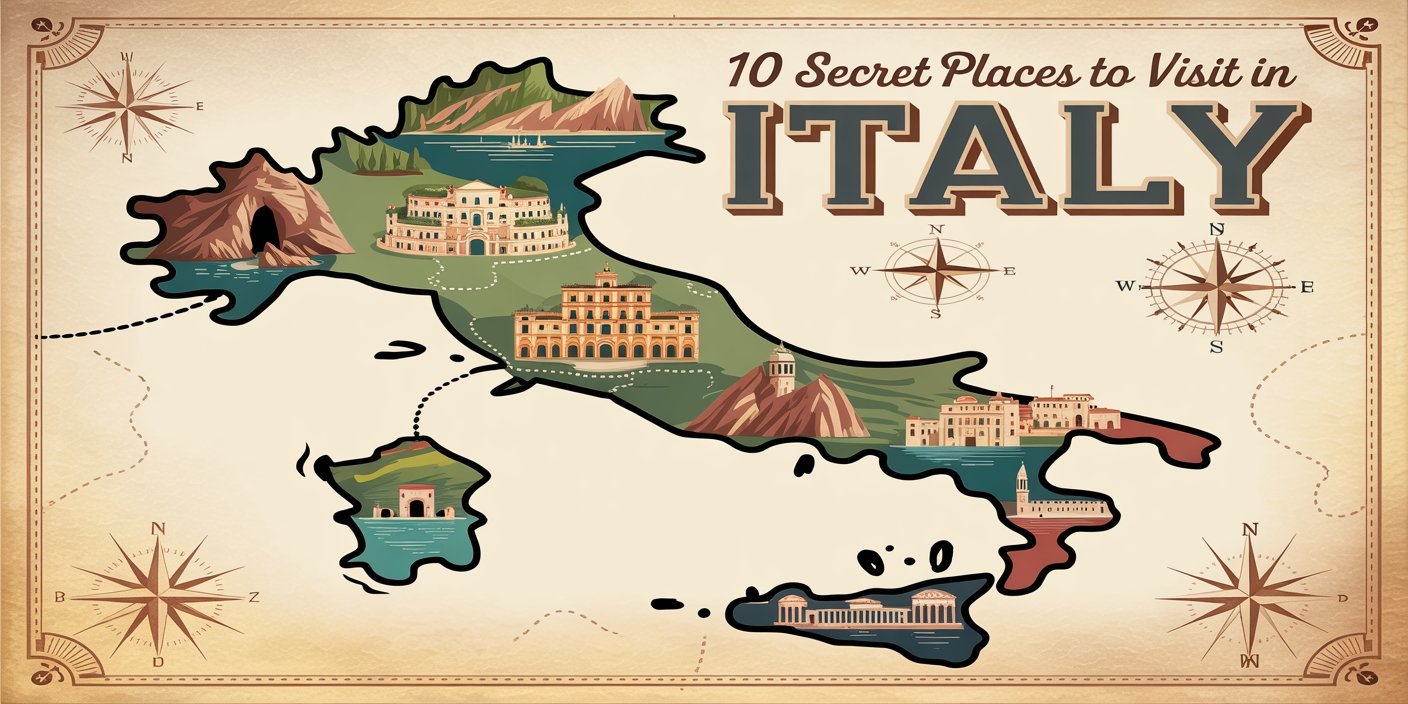
If you are planning an Italy trip and want to see a side of the country that feels a little more unexpected, these 10 secret places are worth putting on your radar.
Just do not be surprised if one of them ends up becoming your favorite stop on the entire trip.
Affiliate Disclaimer: Some links may be affiliate links. I may earn a small commission at no extra cost to you.
AMAZON SHOPPING LIST (ITALY TRAVEL ESSENTIALS)
- Anti-Theft Travel Backpack
Secure and comfortable for exploring quiet villages and historic streets
BUY NOW ON AMAZON - Italy Travel Guidebook (Off-the-Beaten-Path Focus)
Discover lesser-known towns, coastal gems, and countryside escapes
BUY NOW ON AMAZON - Portable Power Bank
Keep your phone charged for maps, train tickets, and photos
BUY NOW ON AMAZON - Comfortable Walking Shoes
Essential for cobblestone streets and long sightseeing days
BUY NOW ON AMAZON - Compact Crossbody Travel Bag
Lightweight and practical for daily exploring
BUY NOW ON AMAZON
Why These Italian Places Are Worth Finding
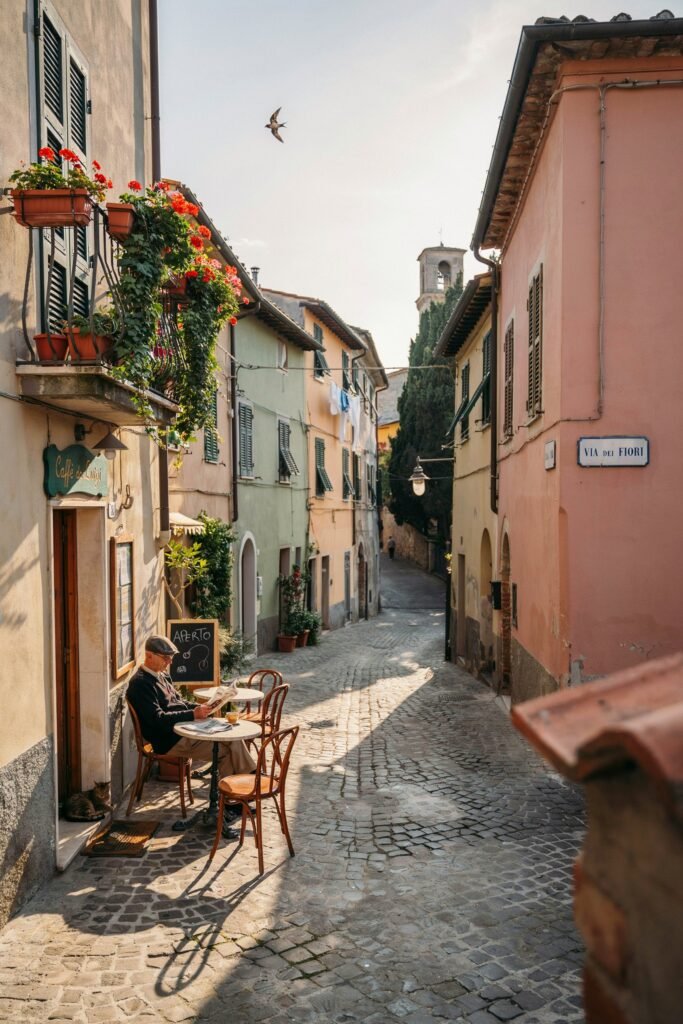
Some of the best parts of traveling through Italy happen when you step away from the obvious route.
The smaller towns and lesser known destinations often give you more time to actually enjoy where you are, without rushing through crowded streets or waiting in endless lines.
These places are not completely unknown, but they are easy to overlook when planning a first trip to Italy.
Each one offers something different, from unusual architecture and dramatic landscapes to quiet streets and local experiences that feel far removed from the typical tourist itinerary.
If you are ready to see a more unexpected side of Italy, these are the places I would start with.
1. Civita di Bagnoregio
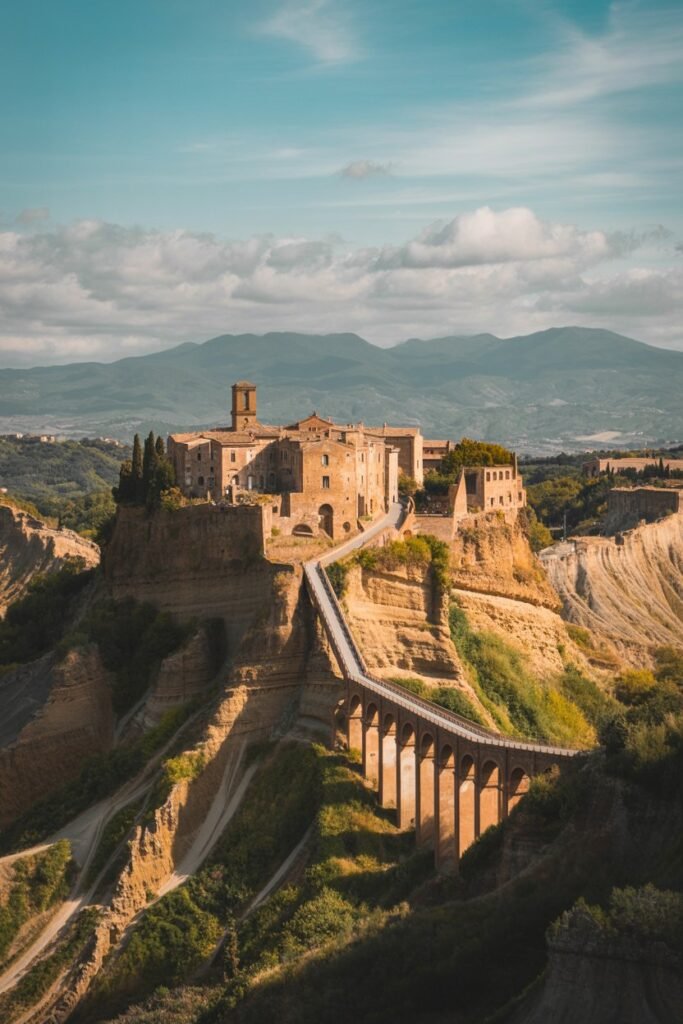
Civita di Bagnoregio feels like stepping into another century.
Perched dramatically on a hilltop and connected to the modern world by a long pedestrian bridge, this tiny medieval village is often called “The Dying Town” because erosion slowly wears away the cliffs beneath it.
Walking through its stone alleys felt peaceful and surreal. There are flower-covered balconies, quiet courtyards, tiny artisan shops, and panoramic countryside views everywhere you look.
Why Visit
- One of Italy’s most unique medieval villages
- Incredible photography spot
- Quiet atmosphere early in the morning
- Authentic local charm without big-city chaos
Best Things to Do
- Walk across the famous pedestrian bridge
- Explore the hidden alleyways
- Visit artisan craft shops
- Watch sunset over the valley
- Enjoy wine and local pasta in a quiet piazza
Helpful Tips
- Arrive early to avoid crowds
- Wear comfortable walking shoes
- Stay overnight nearby for a calmer experience
- Avoid carrying heavy luggage across the bridge
Where to Eat
Try traditional regional dishes at cozy local trattorias like:
- Trattoria Antico Forno
Where to Stay
Small guesthouses and agriturismos around Bagnoregio offer beautiful countryside views and easy early access to the village.
Best Time to Visit
Spring and early autumn are ideal for pleasant weather and fewer tourists.
2. Calcata
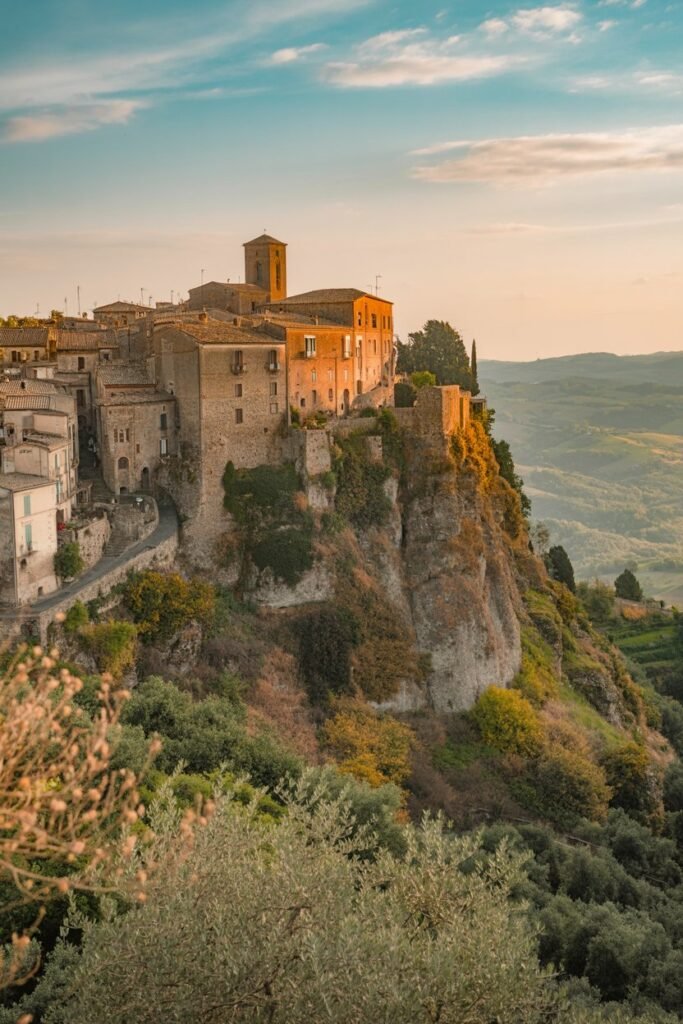
Calcata is one of Italy’s most artistic hidden villages.
Built dramatically on volcanic cliffs above the Tiber Valley, this tiny medieval town has become a haven for artists, writers, and creatives. The atmosphere here feels bohemian, relaxed, and wonderfully different from more polished tourist destinations.
Every corner hides something interesting colorful art studios, handmade jewelry shops, tiny cafés, and terraces overlooking the countryside.
Why Visit
- Unique artistic atmosphere
- Beautiful cliffside views
- Quiet and uncrowded
- Perfect day trip from Rome
Best Things to Do
- Browse local art studios
- Explore hidden courtyards
- Photograph the medieval streets
- Relax with espresso overlooking the valley
Helpful Tips
- Parking is limited, so arrive early
- Most streets are pedestrian-only
- Take your time wandering slowly
- Best visited on weekdays for fewer visitors
Where to Eat
- Ristorante La Torre
Where to Stay
Agriturismos near Calcata provide peaceful countryside stays and a slower travel experience.
Best Time to Visit
Late spring and autumn offer cooler weather and beautiful scenery.
3. San Gimignano
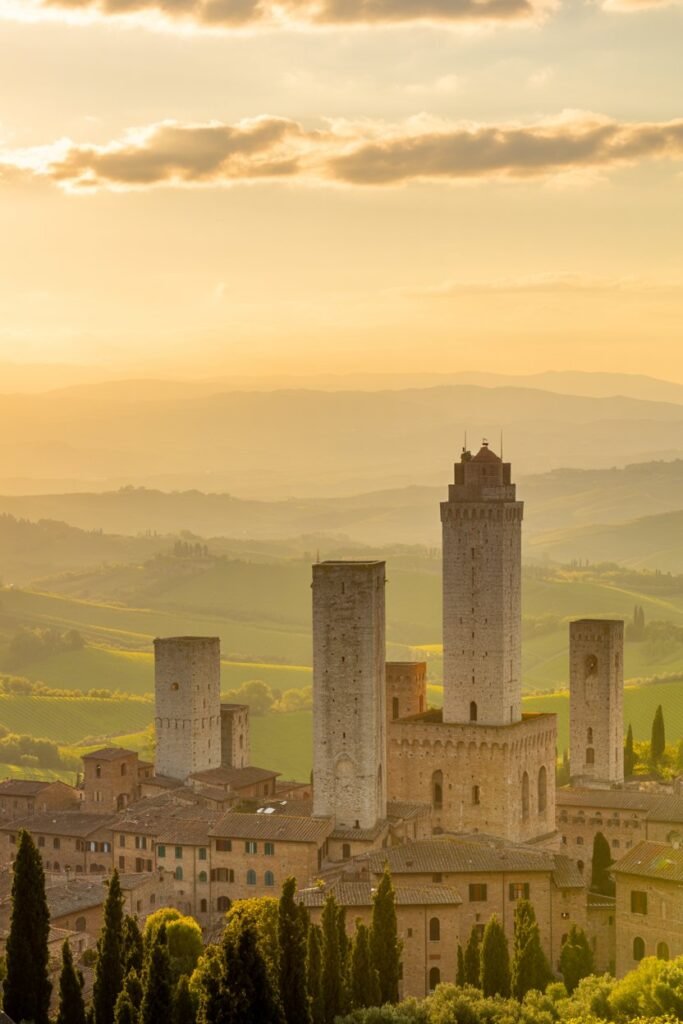
San Gimignano is famous for its medieval towers, but many travelers only see the crowded main squares and miss its quieter side.
Beyond the busy areas, the town reveals peaceful alleys, hidden courtyards, artisan shops, and stunning Tuscan views.
Early mornings here feel magical. The soft light on the stone buildings and the nearly empty streets create an atmosphere that feels timeless.
Why Visit
- Beautiful medieval architecture
- Incredible Tuscan landscapes
- Amazing local gelato
- Romantic early-morning atmosphere
Best Things to Do
- Climb lesser-known towers
- Wander quiet backstreets
- Visit local wine shops
- Explore nearby vineyards
Helpful Tips
- Stay outside the main center for quieter lodging
- Avoid peak summer weekends
- Wear shoes with good grip for steep streets
Where to Eat
- Trattoria Chiribiri
Where to Stay
Agriturismos and countryside B&Bs outside town provide a more authentic Tuscan experience.
Best Time to Visit
April to June and September to October.
4. Procida
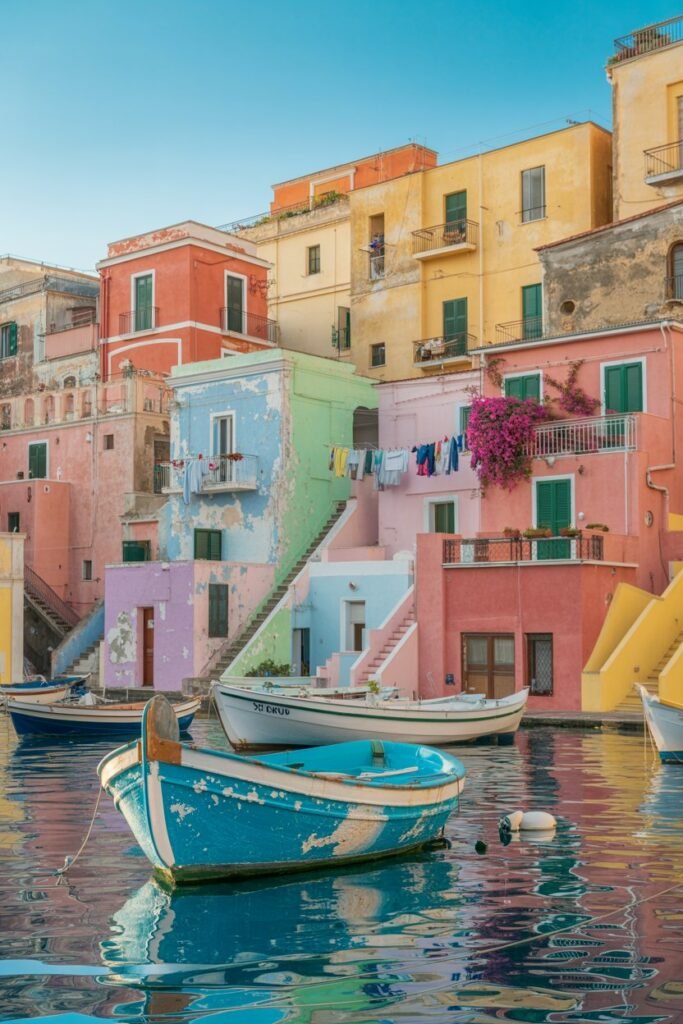
Procida is a colorful island near Naples that somehow remains quieter than the Amalfi Coast or Capri.
Pastel-colored homes line the harbors, fishing boats float gently in the water, and the atmosphere feels calm and authentic.
It’s the kind of place where you slow down naturally.
Why Visit
- Authentic island atmosphere
- Fewer crowds than Capri
- Colorful seaside scenery
- Excellent seafood
Best Things to Do
- Explore Marina Corricella
- Walk through quiet alleyways
- Relax at hidden beaches
- Watch sunset from the harbor
Helpful Tips
- Walking or scooters are best
- Visit early morning for photography
- Spend at least one night if possible
Where to Eat
- La Pergola
Where to Stay
Boutique guesthouses around Marina Corricella offer beautiful waterfront views.
Best Time to Visit
May, June, and September.
5. Val di Funes
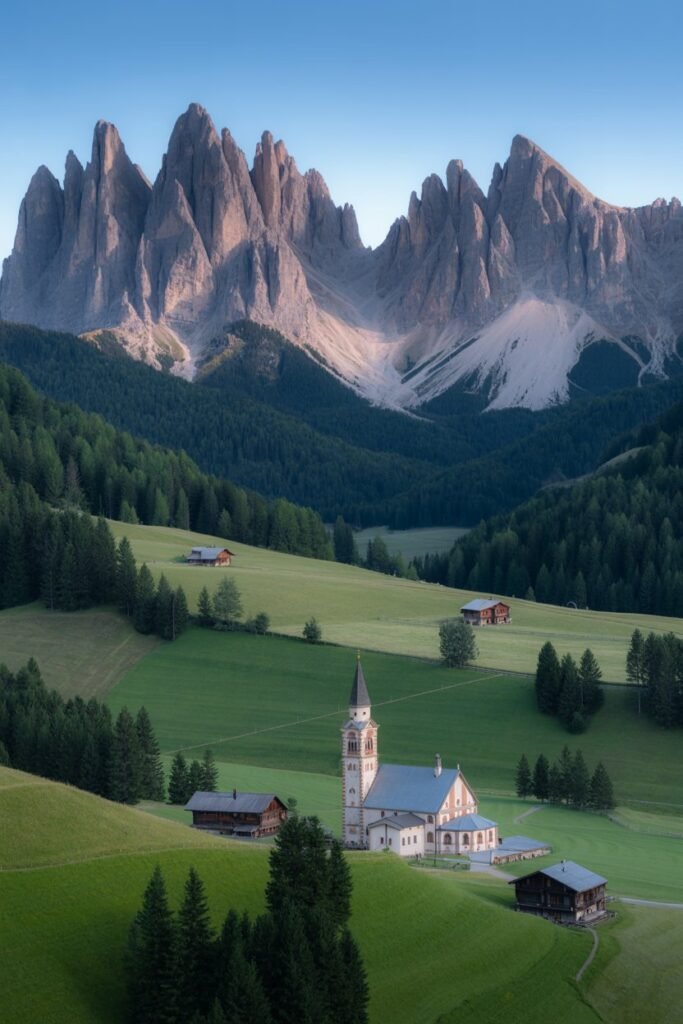
Val di Funes is one of the most breathtaking hidden valleys in the Dolomites.
Rolling green meadows stretch beneath dramatic mountain peaks, while tiny churches and farmhouses complete the postcard-like scenery.
Unlike more famous Dolomite destinations, the atmosphere here feels quiet and peaceful.
Why Visit
- Stunning mountain scenery
- Relaxed hiking experience
- Peaceful countryside atmosphere
- Perfect for photographers and nature lovers
Best Things to Do
- Walk scenic beginner-friendly trails
- Visit Santa Maddalena Church
- Photograph sunrise and sunset
- Try local South Tyrolean food
Helpful Tips
- Bring layers because mountain weather changes quickly
- Stay overnight for sunrise views
- Rent a car for easier access
Where to Eat
Small mountain huts and family-run restaurants serve local dumplings, cheeses, and hearty alpine dishes.
Where to Stay
Farm stays and guesthouses around Santa Maddalena are ideal for peaceful mountain mornings.
Best Time to Visit
June through September.
6. Sperlonga
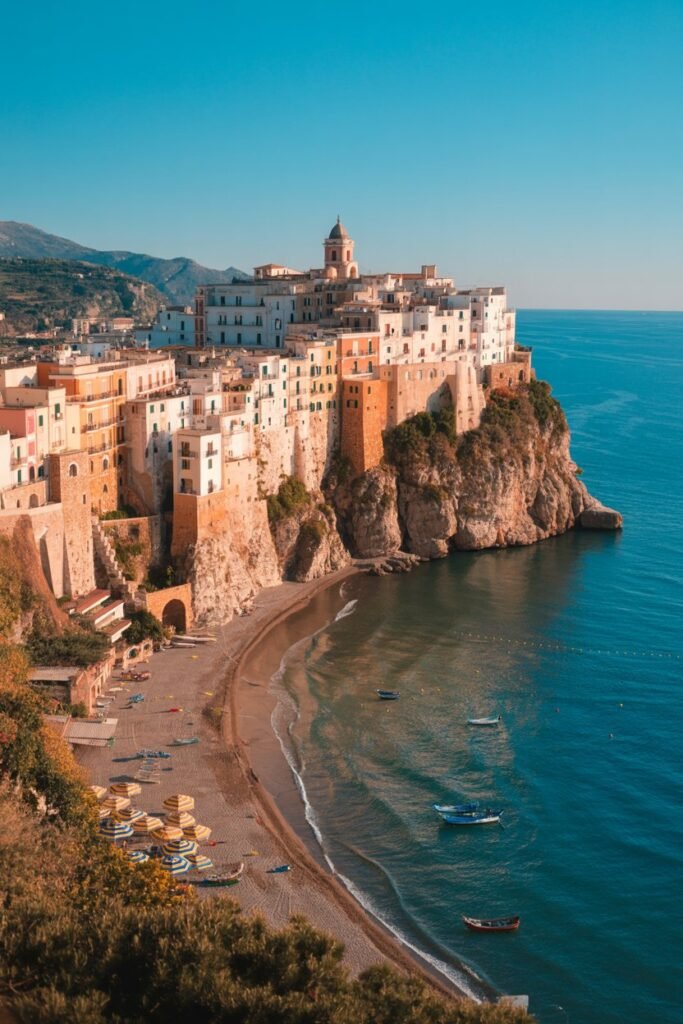
Sperlonga combines beach life with old-world charm.
This whitewashed coastal town between Rome and Naples feels relaxed, walkable, and beautifully Mediterranean.
The narrow alleys, sea views, and sandy beaches make it perfect for travelers who want both culture and relaxation.
Why Visit
- Beautiful beaches
- Charming historic center
- Relaxed atmosphere
- Easy access from Rome
Best Things to Do
- Wander the old town
- Spend time on the beach
- Enjoy fresh seafood by the sea
- Watch sunset from the hilltop streets
Helpful Tips
- Bring comfortable walking sandals
- Visit outside August for fewer crowds
- Book beach accommodations early in summer
Where to Eat
Seaside trattorias throughout town serve excellent fresh seafood and pasta dishes.
Where to Stay
Small hotels and B&Bs near the beach or historic center are ideal for first-time visitors.
Best Time to Visit
Late May to early July and September.
7. Castelluccio di Norcia
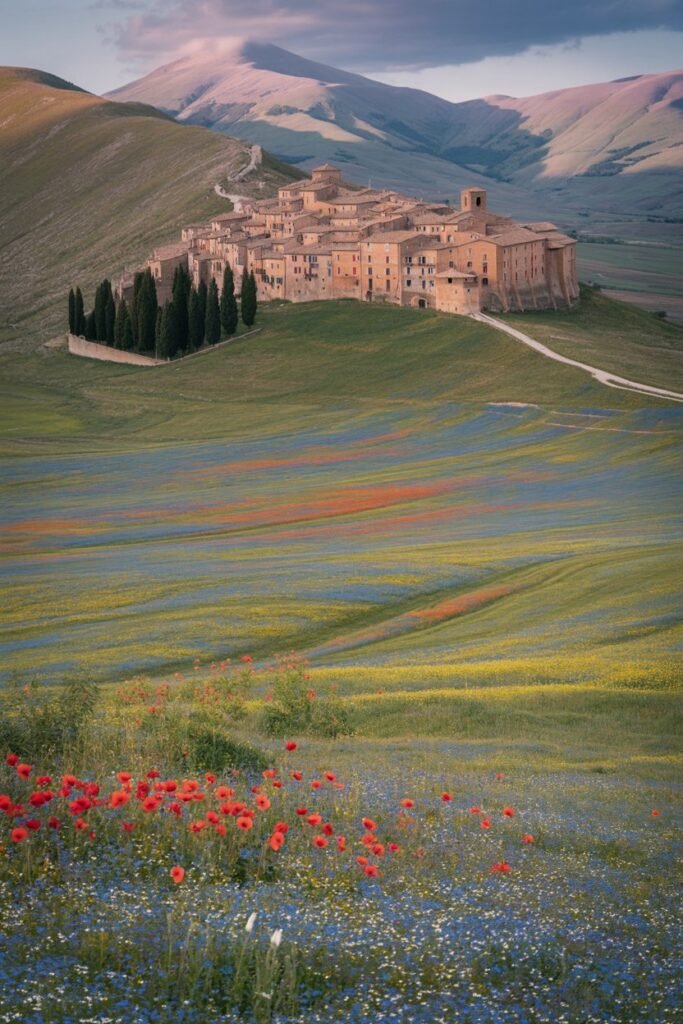
Castelluccio di Norcia feels completely removed from modern life.
This tiny mountain village sits high above a vast plateau famous for the spectacular Fioritura bloom, when colorful wildflowers transform the landscape into a natural painting.
Even outside bloom season, the scenery feels dramatic and peaceful.
Why Visit
- Incredible flower fields
- Wide-open mountain landscapes
- Quiet atmosphere
- Excellent local food
Best Things to Do
- Visit during Fioritura season
- Photograph the colorful plains
- Enjoy scenic mountain drives
- Try famous local lentils
Helpful Tips
- Driving is the easiest way to visit
- Bring layers for changing mountain weather
- Sunrise and sunset are especially beautiful
Where to Eat
Simple trattorias nearby serve authentic Umbrian comfort food.
Where to Stay
Stay in nearby Norcia or countryside lodges for easier access.
Best Time to Visit
Late June to early July for the flower bloom.
8. Cefalù
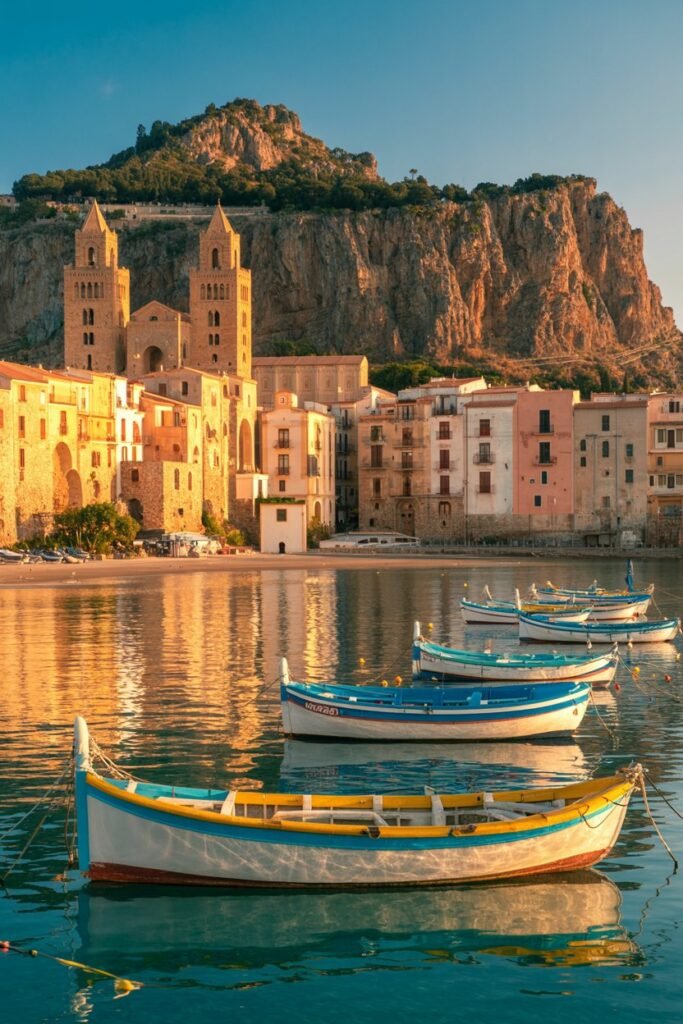
Cefalù blends beaches, mountain views, and medieval streets into one unforgettable destination.
The town feels warm, relaxed, and effortlessly beautiful.
One of the highlights is climbing La Rocca, the giant rock towering above town, where panoramic sea views reward the steady hike.
Why Visit
- Beautiful beaches and old town
- Amazing Sicilian food
- Walkable atmosphere
- Great mix of relaxation and sightseeing
Best Things to Do
- Climb La Rocca
- Relax on the beach
- Explore the cathedral square
- Try local Sicilian pastries
Helpful Tips
- Stay inside the old town for convenience
- Wear good shoes for the La Rocca climb
- Visit shoulder season for fewer crowds
Where to Eat
Family-run trattorias throughout town serve excellent seafood, pasta, and cannoli.
Where to Stay
Guesthouses near the beach or old town offer the best location for exploring on foot.
Best Time to Visit
May, June, and September.
9. Bagni San Filippo
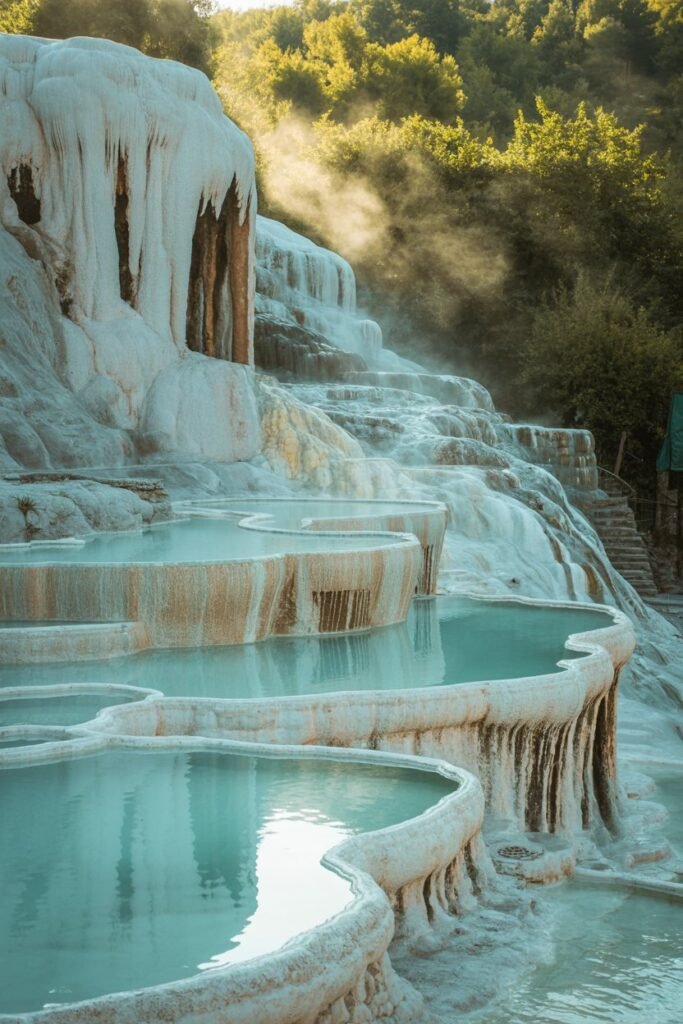
Bagni San Filippo is one of Tuscany’s best hidden natural escapes.
This small village is famous for its steaming thermal springs flowing through forested landscapes and white limestone formations.
The atmosphere feels wild, peaceful, and surprisingly untouched.
Why Visit
- Natural thermal hot springs
- Beautiful forest scenery
- Relaxing wellness experience
- Less crowded than famous spas
Best Things to Do
- Soak in the thermal pools
- Visit the Balena Bianca formation
- Walk the forest trails
- Enjoy quiet countryside scenery
Helpful Tips
- Bring water shoes for slippery rocks
- Visit weekdays or early mornings
- Respect the natural environment
Where to Eat
Nearby local trattorias serve simple Tuscan comfort food perfect after a soak.
Where to Stay
Agriturismos around Val d’Orcia provide peaceful countryside accommodations.
Best Time to Visit
Spring and autumn.
10. Molveno
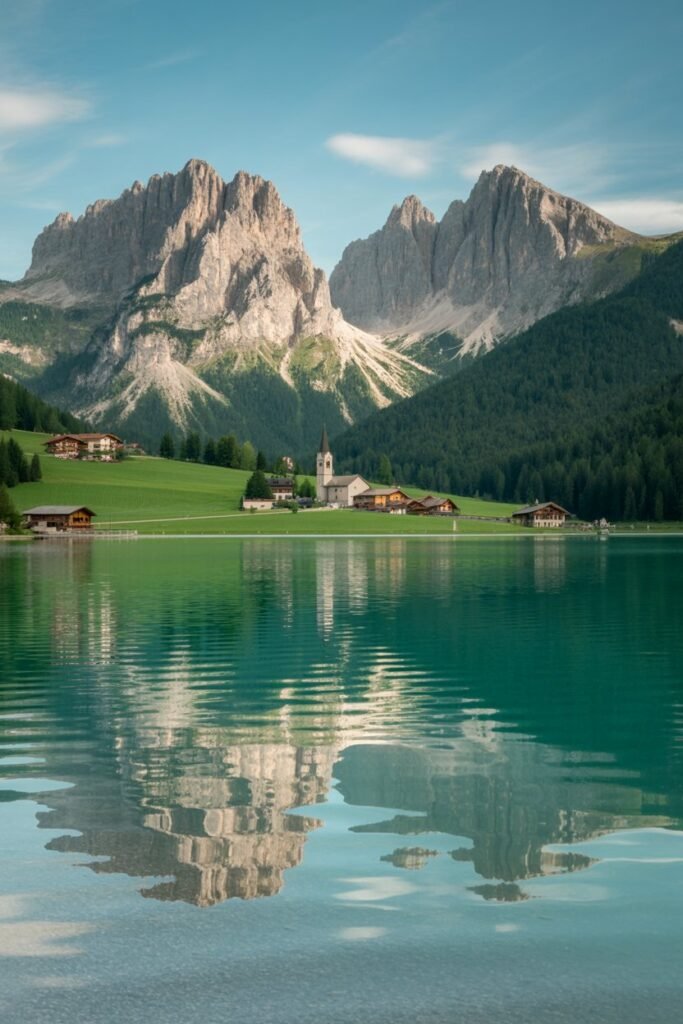
Molveno is a peaceful alpine village sitting beside one of Italy’s clearest lakes.
Surrounded by the dramatic Brenta Dolomites, it combines mountain scenery, outdoor adventure, and quiet relaxation perfectly.
Why Visit
- Crystal-clear alpine lake
- Beautiful mountain scenery
- Peaceful atmosphere
- Great for hiking and kayaking
Best Things to Do
- Walk along the lakeside promenade
- Kayak on Lake Molveno
- Explore beginner hiking trails
- Watch sunrise over the mountains
Helpful Tips
- Stay lakeside if possible
- Bring layers for cooler evenings
- Visit early morning for calm lake reflections
Where to Eat
- Ristorante La Baitina
Where to Stay
Lakeside guesthouses and B&Bs offer easy access to both the village and the water.
Best Time to Visit
June through September.
What to Do and What Not to Do When Visiting Italy’s Secret Places
Some of the most beautiful places in Italy are also real communities where people live, work, and go about their everyday lives. I have found that a little awareness goes a long way when visiting these quieter destinations.
1. Do respect local communities
These are real hometowns, not theme parks or photo sets. Don’t treat them like one.
2. Do visit early in the morning
You will enjoy quieter streets, better light, and a much more peaceful atmosphere. Don’t arrive during the busiest afternoon hours expecting to have the place to yourself.
3. Do dress modestly and appropriately
This is especially important in small villages, churches, and religious sites. Don’t wear revealing clothing where it may be considered disrespectful.
4. Do support local businesses
Eat at family run cafés, shop locally, and consider staying in a small guesthouse. Don’t spend your entire trip relying on big chains.
5. Do keep noise levels low
Many of these towns have a wonderfully slow and peaceful way of life. Don’t play loud music or disturb quiet residential streets.
6. Do follow photography rules
Ask before photographing locals or private homes. Don’t use drones or take intrusive photos where photography is restricted.
7. Do carry cash when possible
Some smaller towns and family run businesses still do not accept cards everywhere. Don’t assume digital payments will work in every remote destination.
8. Do stay on marked paths
This helps protect fragile landscapes and historic areas. Don’t wander onto private property or into restricted areas.
9. Do learn a few basic Italian phrases
Even simple greetings are appreciated and can make everyday interactions feel much easier. Don’t assume everyone will speak fluent English.
Final Thoughts
Italy’s most memorable places are often the ones that don’t appear on every travel itinerary.
These hidden villages, peaceful coastlines, mountain valleys, and quiet countryside escapes offer something many travelers are searching for without realizing it slower experiences, authentic local culture, and the feeling of genuine discovery.
If you want to experience a different side of Italy, skip the rush sometimes, stay a little longer in smaller towns, and leave room for unexpected moments.
Those are usually the memories that stay with you the longest.