
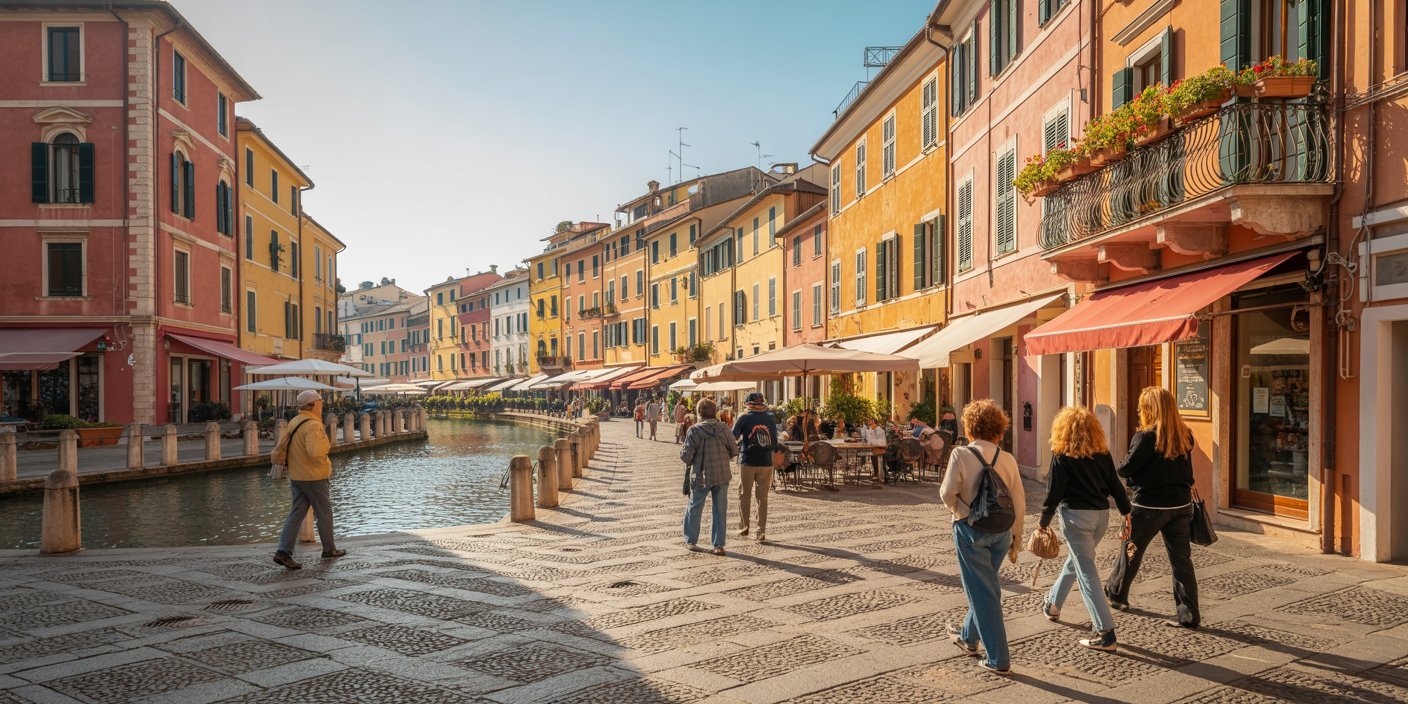
Italy has always been one of those dream destinations for me—the kind of place that makes your heart race with excitement before you even step off the plane.
There’s something about the way the sun glistens on the canals of Venice, the aroma of fresh espresso in a small Roman café, and the sight of endless vineyards in Tuscany that feels like it belongs in a movie.
But here’s the thing: Italy is magical, yes, but it’s also a place where it’s so easy to make mistakes that can turn a perfect trip into a frustrating one.
On my first few trips, I quickly learned that a wrong turn could mean hours wasted in lines, ordering a dish I didn’t understand, or missing hidden corners that tourists rarely see.
Through trial, error, and a lot of laughter (and a few lessons learned the hard way), I discovered the pitfalls that most travelers encounter—and how to avoid them.
Whether it’s picking the right gelato, knowing when to tip, navigating train stations, or respecting local customs, these little mistakes can really add up.
That’s why I’m sharing the 12 most common mistakes to avoid in Italy—so you can spend less time stressing and more time soaking in every breathtaking view, every bite of pasta, and every unforgettable moment that Italy has to offer.
Trust me, following these tips will make your trip smoother, more enjoyable, and way more memorable.
Mistake #1: Eating Near Major Tourist Attractions
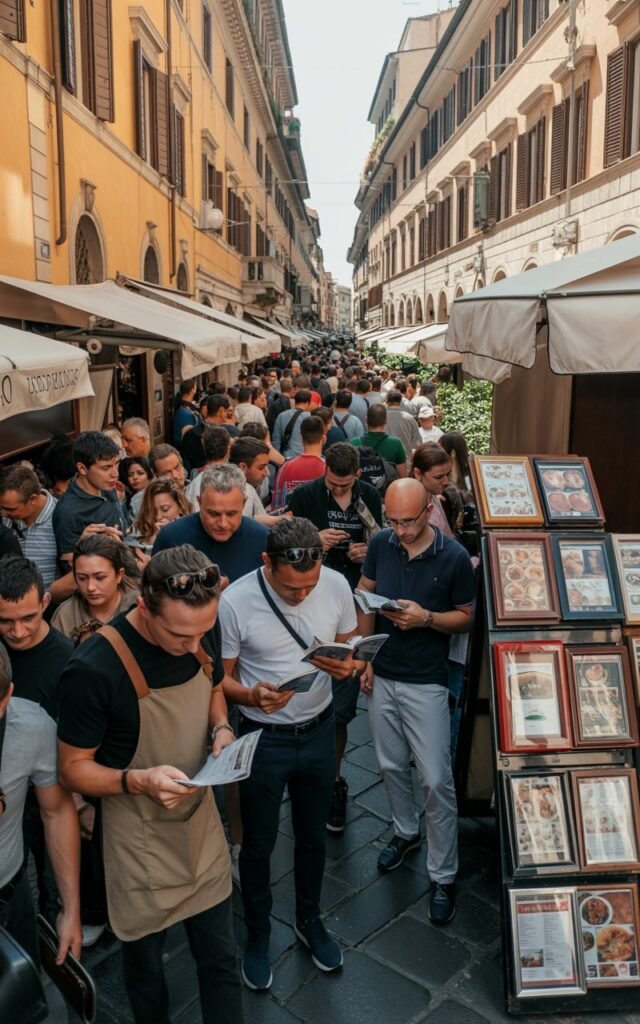
One of the first lessons I learned in Italy was: never eat right next to a big tourist spot.
On my very first trip, I remember walking out of the Colosseum in Rome, starving, and spotting a trattoria with pictures of pasta in the window.
It seemed perfect—until I realized the food was overpriced, the portions tiny, and the flavors nowhere near what real Italian cuisine tastes like.
Restaurants near major landmarks are often geared toward tourists, not locals, which usually means a bland, mass-produced experience.
The real magic happens when you wander just a few streets away from the crowds, follow the scent of fresh bread, or see a café filled with Italians chatting over cappuccinos.
These spots often serve authentic dishes, use local ingredients, and give you that cozy, homey vibe you came to Italy for.
Pro tip: Download Google Maps offline, explore side streets, and trust your instincts—if a place is packed with locals, you’ve probably found a winner.
On my last trip, I stumbled into a tiny pizzeria in Florence that wasn’t on any guidebook. The pizza? Life-changing. The experience? Priceless.
Mistake #2: Not Learning Basic Italian Phrases
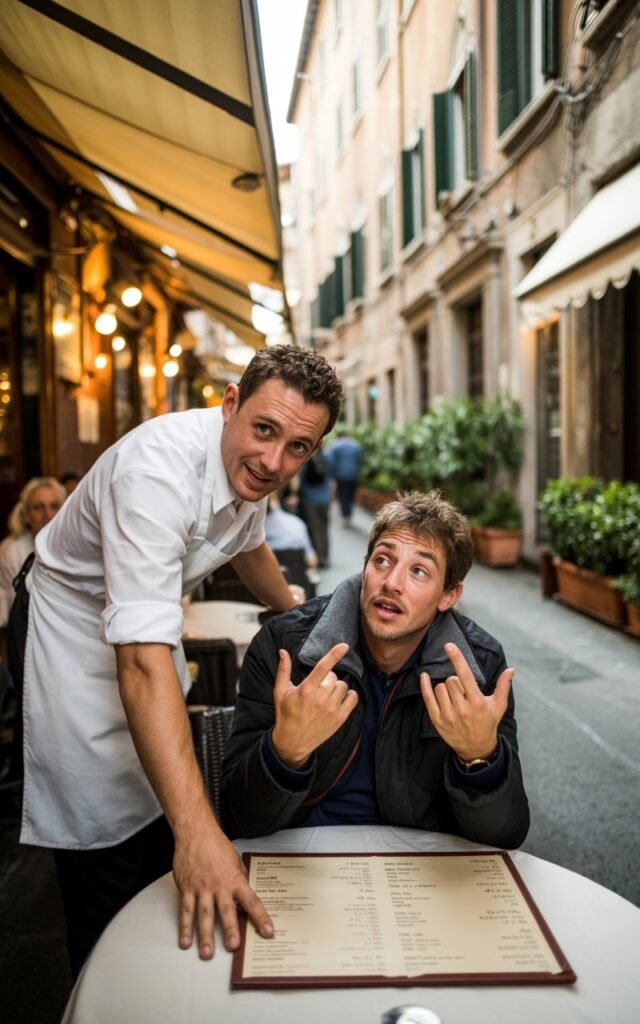
I used to think I could get by in Italy just with “hello” and “thank you.”
Big mistake. While many Italians in tourist areas speak some English, learning even a few basic phrases can completely change your experience.
On my first visit, I once ordered “latte” thinking I’d get a coffee with milk—what I got was a plain glass of milk. Oops!
Knowing simple phrases like “Buongiorno” (good morning), “Per favore” (please), “Il conto, per favore” (the bill, please), or “Dove è il bagno?” (where is the bathroom?) not only helps avoid misunderstandings, but it also shows respect to locals.
Italians notice when you make the effort, and it often earns you friendlier service, helpful tips, and even a few smiles.
Pro tip: Practice a few sentences before you go and keep a small phrasebook or phone app handy.
Even if your pronunciation isn’t perfect, the effort goes a long way. I’ve found that these little attempts can lead to moments that feel much more authentic than sticking to English the whole time.
Mistake #3: Trying to See Everything in One Day
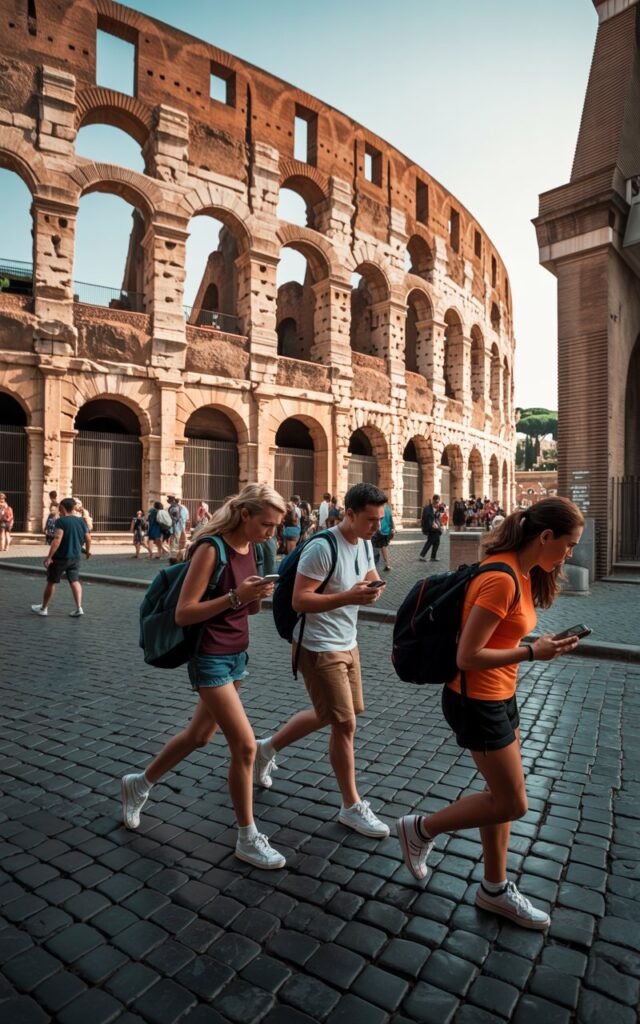
This is a classic trap I fell into on my very first trip to Italy. Rome, Florence, Venice… I had a long list of must-see sights and thought I could conquer them all in one day.
By noon, I was exhausted, my feet were screaming, and I barely remembered anything I’d seen. Italy isn’t a place to rush—it’s a place to savor.
Trying to fit too much into one day means you’ll miss the small, magical moments: the quiet alleyways, the local markets, the hidden piazzas where you can sit with a gelato and watch life unfold.
Even famous landmarks are better enjoyed slowly. Spending an extra hour at the Uffizi Gallery or watching the sunset from Piazzale Michelangelo in Florence is far more rewarding than rushing to check off another item on your list.
Pro tip: Prioritize a few experiences per day and leave gaps for wandering. Trust me, some of the best memories come from the spontaneous discoveries you weren’t planning at all.
On my last trip, one unplanned detour in Venice led me to a tiny bookstore tucked away on a canal, and it turned out to be one of my favorite experiences.
Mistake #4: Not Validating Train Tickets or Misunderstanding Transportation
Italy is famous for its trains—they’re fast, convenient, and a beautiful way to see the countryside.
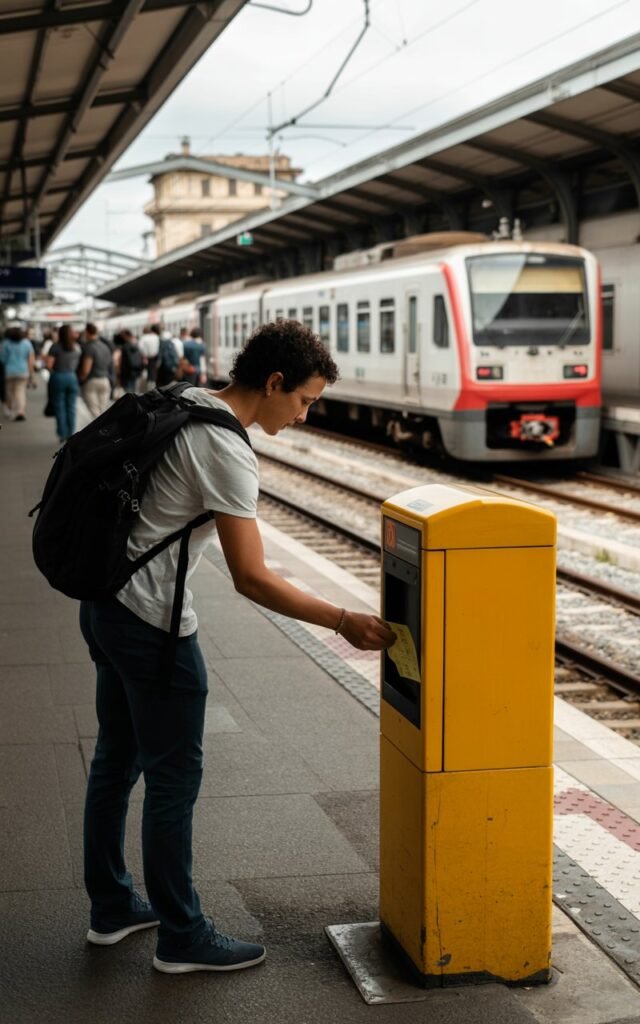
But the first time I tried taking a regional train from Florence to Siena, I made a huge rookie mistake: I didn’t validate my ticket.
I thought buying it online or at the machine was enough. Big mistake. Before I even boarded, a conductor walked through the train, and I got hit with a fine. Not fun.
Train travel in Italy can be tricky if you don’t know the rules. Regional trains require you to validate your paper ticket at the little yellow or green machines before boarding. Failure to do so is considered a violation.
High-speed trains like Frecciarossa or Italo are different—you need a seat reservation, and your ticket already shows your seat, so validation isn’t necessary.
Confusing, right? I learned the hard way that understanding the difference can save you from stress, fines, and awkward conversations.
But it’s not just trains. Navigating buses, metro systems, or even taxis can have its own pitfalls.
On my first trip to Naples, I accidentally hopped on a bus going in the opposite direction of Pompeii, and it added two hours to my journey.
A little planning and asking locals or reading signs carefully goes a long way.
Mistake #5: Underestimating the Importance of Siesta and Opening Hours
One thing I quickly learned in Italy is that the pace of life isn’t like back home, and ignoring that can ruin your day.
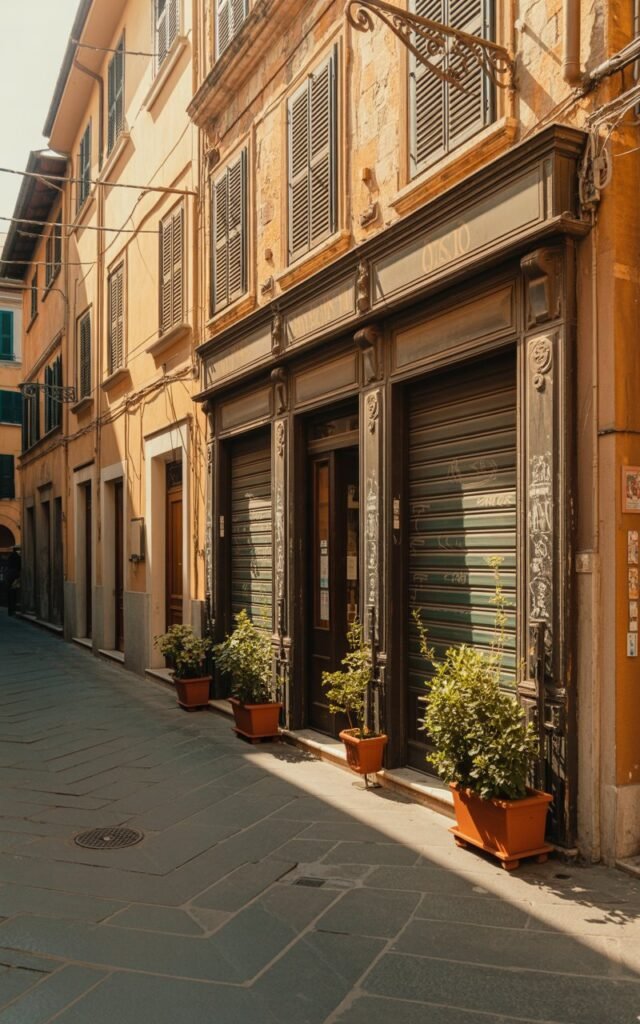
On my first trip, I planned a full afternoon of shopping and sightseeing in Florence, only to find that nearly every small shop and café was closed.
I hadn’t realized it was siesta time—roughly from 1:00 PM to 4:00 PM in many towns.
Italians use this time to rest, eat lunch, and recharge, which means most small businesses shut their doors.
This caught me off guard. I remember standing on a quiet cobblestone street, stomach growling, watching perfectly good restaurants locked up.
It was frustrating at first, but it taught me an important lesson: planning around local schedules is key.
Even outside of siesta hours, many places, especially in smaller towns, have unusual opening times or close on certain weekdays.
Pro tip: Always double-check opening hours before heading out. Many restaurants post hours online, or you can ask locals for guidance.
Embracing the slower pace isn’t a bad thing—it’s part of the charm of Italy.
Once I started adjusting my schedule, I discovered the joy of leisurely lunches, long afternoon walks, and exploring less crowded streets while the tourist areas rested.
Instead of rushing, I got to experience Italy like the locals do—and it was way more memorable.
Mistake #6: Ordering “Pizza” or “Pasta” Without Checking the Menu
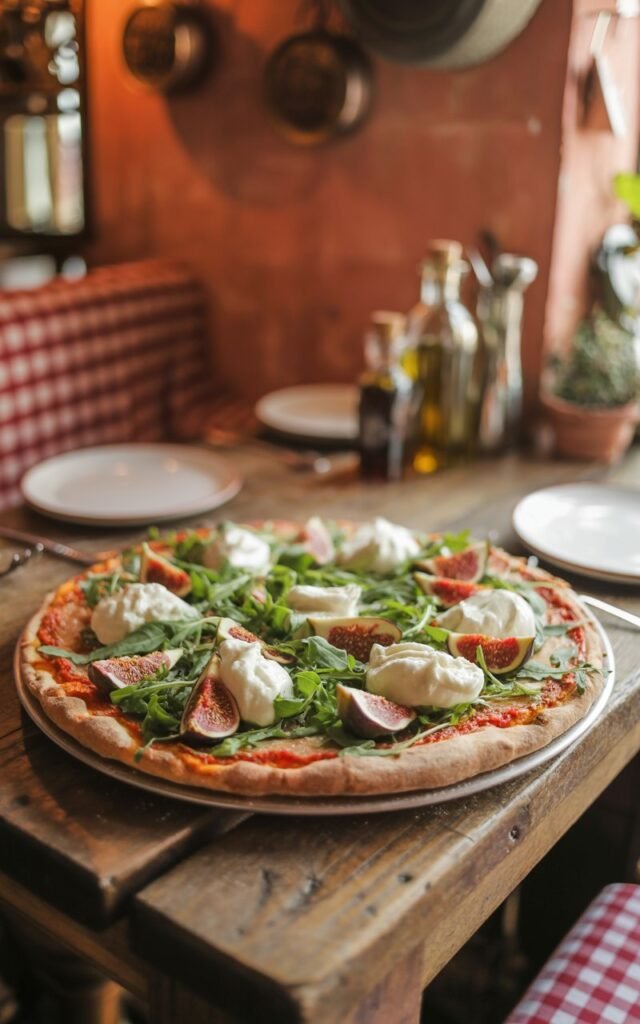
Italy has some of the best food in the world, but jumping in without looking at the menu can lead to surprises—some funny, some… not so much. On my first night in Naples,
I walked into a bustling pizzeria, confidently ordered “a pizza,” and expected a familiar margherita.
Instead, the waiter brought a massive pizza loaded with anchovies, olives, and capers. I love food, but this was a flavor explosion I wasn’t prepared for!
Italian restaurants often have specialties you won’t see anywhere else. Every region has its own pasta dishes, sauces, and pizza styles, and just saying the generic “pizza” or “pasta” doesn’t give the chef any guidance.
Even words like “latte” (milk) or “caffè” (coffee) can have unexpected results if you’re not careful.
That little menu translation app can be a lifesaver—or at least help you avoid ordering something you don’t really want.
Pro tip: Take a moment to read the menu fully, ask the server for recommendations, or even research regional dishes before you go.
Asking questions like, “What’s the specialty here?” or “Which pasta do locals love?” usually leads to the best meals.
On my last trip to Bologna, I did this and discovered fresh tagliatelle with a rich ragu that completely changed my idea of what pasta could be.
Learning to order carefully turned my meals from occasional surprises into some of the highlights of my trip.
After all, eating in Italy isn’t just about filling up—it’s about savoring the culture, history, and passion that goes into every dish.
Mistake #7: Ignoring Local Etiquette and Cultural Norms
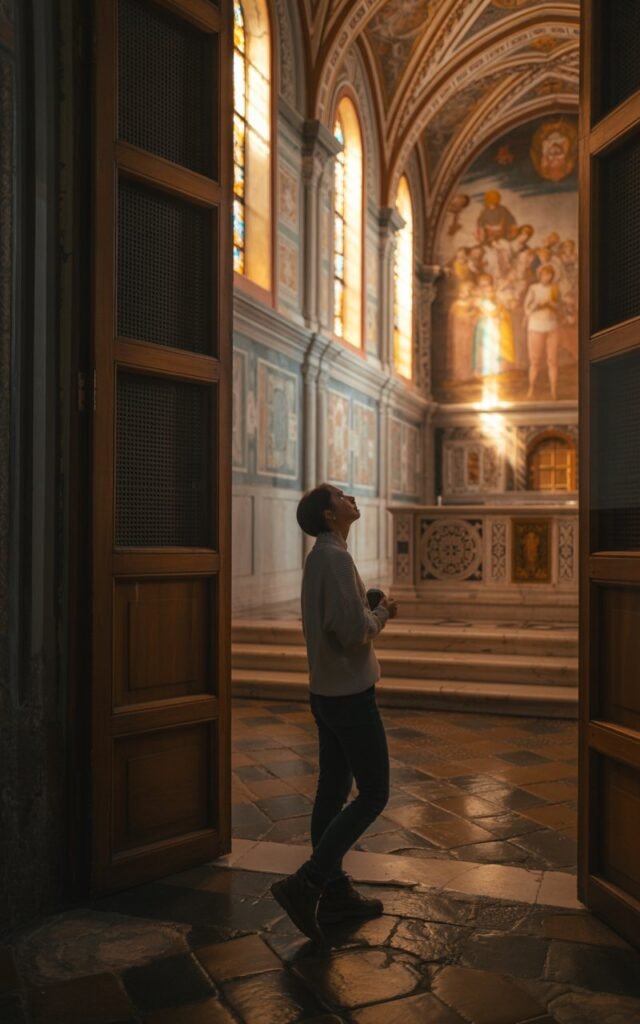
Italy is vibrant, full of life, and deeply proud of its culture—but if you’re not careful, it’s easy to accidentally offend locals without even realizing it.
On my first trip, I remember walking into a church in Rome wearing shorts and a tank top, thinking nothing of it.
I was quickly told to cover up before I could even admire the art inside.
That was my first lesson: Italians take respect for their traditions seriously, and understanding local etiquette can save you from awkward situations.
From dress codes in religious sites to proper behavior in restaurants and cafes, little things matter.
For example, standing at the bar for a quick espresso is normal, but lingering for hours like you might in other countries can confuse staff.
Tipping is different too—small coins are appreciated but not mandatory, and always saying “grazie” goes a long way.
Even gestures can be misunderstood; pointing or using certain hand signs in the wrong way might get puzzled looks.
Pro tip: Take a few minutes before your trip to familiarize yourself with local customs.
Check dress codes for churches, learn polite dining etiquette, and observe how locals behave in public spaces.
I’ve found that paying attention to these small details makes interactions smoother and even more enjoyable.
Once I started following the local norms, people were friendlier, my experiences felt more authentic, and I avoided embarrassing situations that could have easily spoiled a moment I’ll now cherish forever.
Mistake #8: Relying Only on Credit Cards
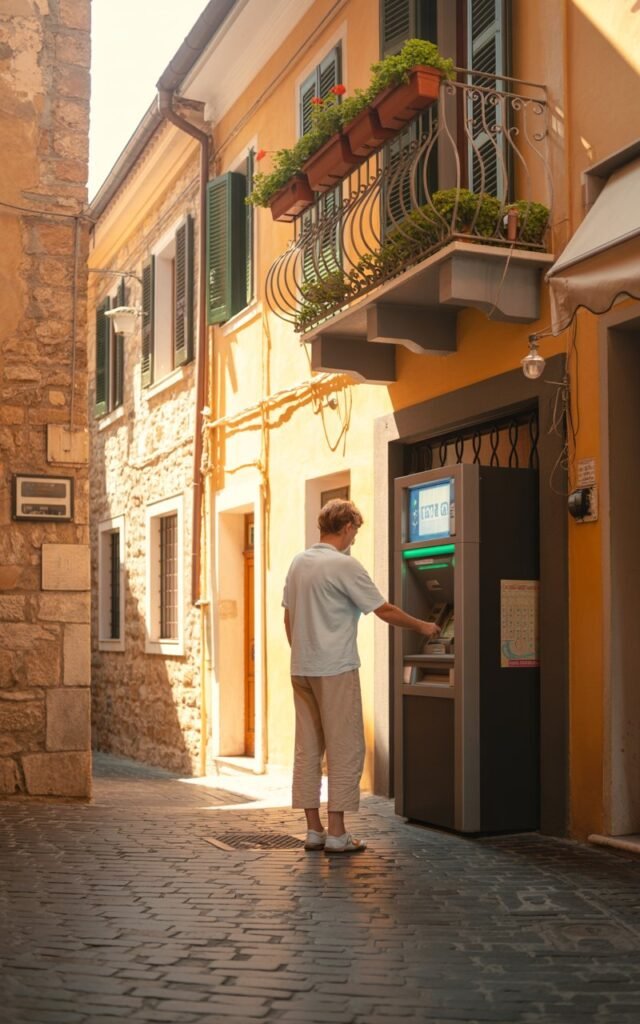
On my first trip to Italy, I made the rookie mistake of assuming my credit card would work everywhere.
I quickly discovered that while big hotels and tourist attractions often accept cards, small cafés, family-run restaurants, gelaterias, and local markets often prefer cash—and sometimes don’t take cards at all.
I found myself scrambling, digging through my bag for coins or finding the nearest ATM in a tiny town where English was barely spoken. Not fun!
Italy has a long tradition of cash-based transactions, especially outside major cities. Even when cards are accepted, some places charge extra fees for credit card payments.
Not having cash can mean missing out on authentic meals, local souvenirs, or spontaneous experiences.
On my second trip, I learned to carry a reasonable amount of cash for everyday expenses, and suddenly, life became much easier.
Pro tip: Always have some euros on hand, especially in small towns or for public transportation.
ATMs are widespread, but it’s a good idea to withdraw in advance to avoid long lines or unexpected closures.
I also keep a small pouch of coins for tiny purchases, like a quick espresso or bus ride.
Being prepared with cash made my trips smoother, and I never had to skip a charming café or impromptu gelato stop again.
Mistake #9: Skipping Local Markets and Relying Only on Restaurants
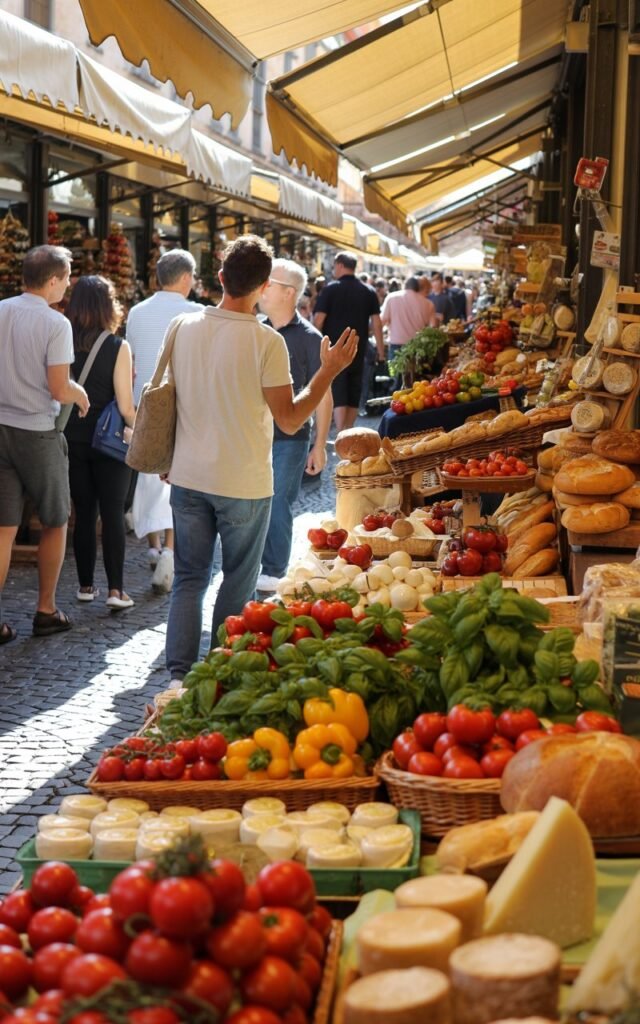
On my very first trip to Florence, I stuck to the usual tourist spots for every meal—cafés, trattorias, and the occasional pizza joint.
I thought I was experiencing authentic Italian food, but I quickly realized I was missing out on the real culinary culture: local markets.
One afternoon, a friend dragged me to the Mercato Centrale, and it completely changed how I experienced Italy.
The sights, smells, and flavors were unlike anything I’d encountered in a restaurant.
Fresh pasta, local cheeses, cured meats, seasonal fruits, and freshly baked bread—it was a feast for the senses.
Local markets aren’t just about food—they’re a window into Italian life.
Watching vendors passionately sell their produce, chatting with locals about regional specialties, and tasting ingredients straight from the source gave me a deeper appreciation for Italian cuisine than any tourist-focused restaurant could.
It’s also often cheaper and fresher than what you’ll find in a standard eatery.
Pro tip: Set aside a morning or afternoon to explore a local market in every city you visit.
Try a few street foods, pick up fresh ingredients if you have a kitchen, and don’t be afraid to ask vendors for recommendations—they usually love to share their favorites.
On my last trip, I even ended up having a picnic in a small piazza with cheese, olives, and freshly baked focaccia that I picked up from the market—it was one of the most memorable meals of my life.
Mistake #10: Underestimating How Much Walking You’ll Do
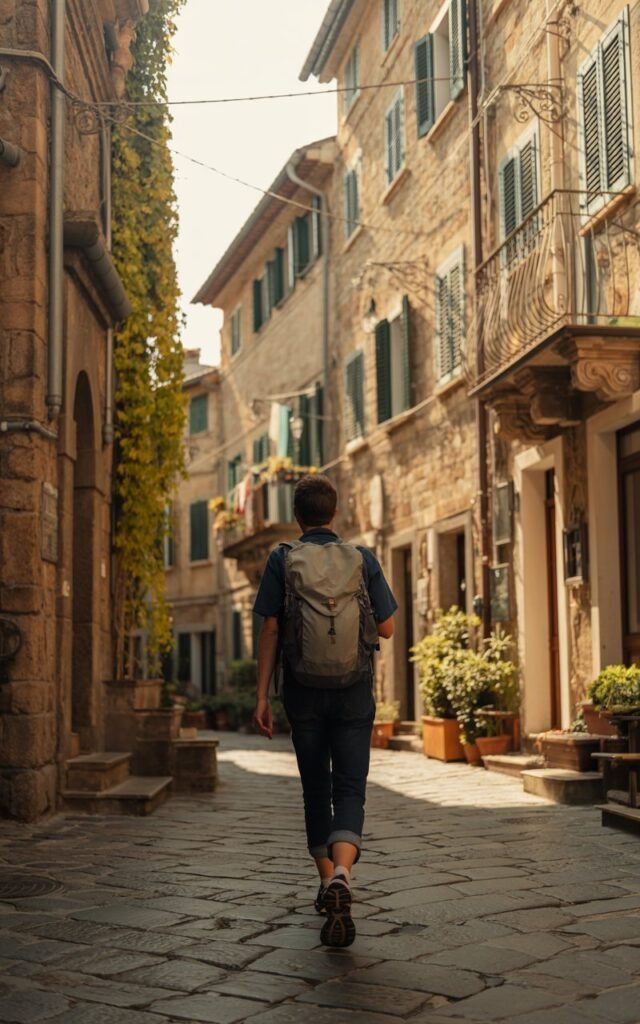
Italy is a country best explored on foot, but on my first trip, I seriously underestimated just how much walking would be involved.
I remember thinking a few city blocks here and there would be easy—until I found myself wandering the steep, cobblestone streets of Cinque Terre with sore feet and a heavy backpack, regretting my choice of shoes.
From the narrow alleys of Venice to the hills of Florence, walking is not optional if you want to truly experience Italy.
The good news? Walking is one of the best ways to stumble upon hidden gems—the little cafés tucked away in side streets, the artisanal shops you’d never see from a bus, or the breathtaking viewpoints that don’t make it into guidebooks.
But it’s easy to ruin your day if your feet aren’t prepared. Poor footwear, lack of planning, or ignoring the distances between landmarks can turn sightseeing into a painful chore rather than an enjoyable adventure.
Pro tip: Invest in comfortable, broken-in walking shoes and plan your days with realistic distances in mind.
Break up long stretches with gelato stops or café breaks. I learned to pack a small water bottle, a light daypack, and always leave room for spontaneous detours.
Walking became one of my favorite parts of visiting Italy—it’s how I discovered the secret stairways in Rome, hidden piazzas in Florence, and quiet canals in Venice that most tourists never see.
With the right shoes and a little planning, walking isn’t exhausting—it’s the heart of the Italian experience.
Mistake #11: Expecting Every City to Be Like Rome or Venice

One of the biggest surprises on my first Italian trip was realizing that not every city is like Rome or Venice—and that’s actually a wonderful thing.
I came expecting Florence, Naples, and smaller towns to feel just like the iconic tourist spots, only to find each place had its own unique pace, charm, and quirks.
For example, Florence feels like an open-air museum with art around every corner, while Bologna has a laid-back vibe with endless porticos and incredible food markets.
Expecting all cities to match the grandeur of Rome or the romance of Venice can lead to disappointment if you’re not prepared.
I remember feeling a bit let down when I first visited a small town in Umbria—it didn’t have the big landmarks I’d read about—but once I slowed down and explored, I discovered breathtaking medieval streets, local trattorias, and quiet piazzas where I could sip wine like a local.
The smaller, less touristy towns often gave me experiences that felt much more authentic and personal than the crowded hotspots.
Pro tip: Embrace the differences and adjust your expectations for each place. Research a little about local culture, history, and specialties before you go, and focus on enjoying the rhythm of each city rather than comparing it to the famous ones.
Some of my most cherished memories in Italy came from towns I had never even heard of, where life moves slower, the locals are friendlier, and the experiences feel uniquely Italian.
Mistake #12: Not Taking Time to Enjoy the Simple Moments
This is perhaps the mistake I see travelers make most often—and one I almost made myself.
Italy is full of bucket-list sights, famous landmarks, and must-try foods, but sometimes in the rush to “see it all,” we forget to slow down and soak it in.
On my first trip, I was constantly moving—running from one piazza to the next, checking off museums, snapping photos—but I missed so many little moments that made Italy unforgettable.
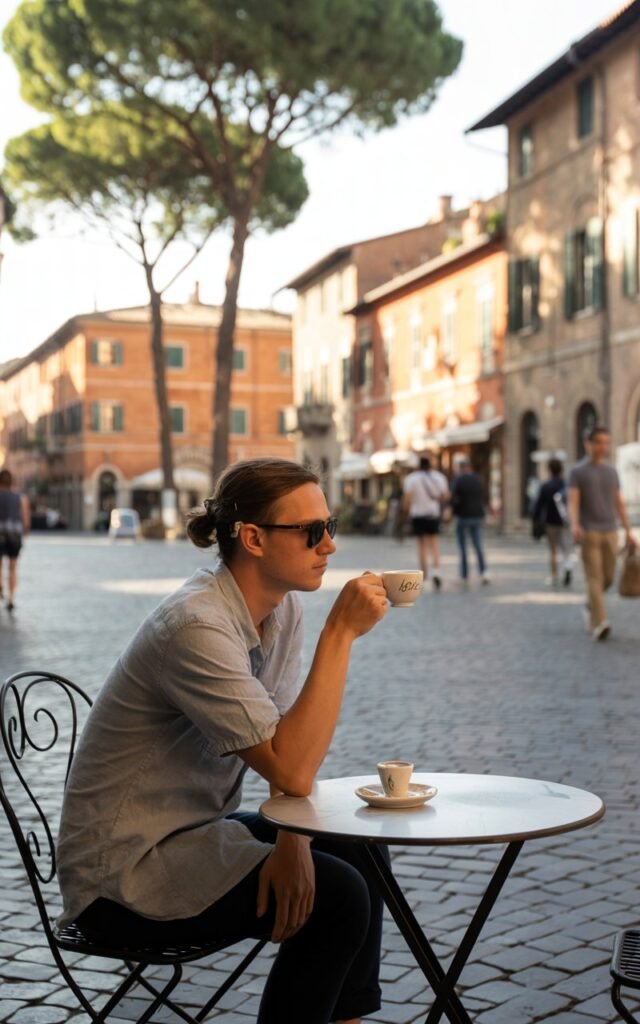
The magic of Italy often lies in the simple things: sipping an espresso at sunrise while the streets are quiet, watching a local artisan craft leather goods in a small shop, listening to a street musician in a cobblestone square, or sharing laughter over fresh pasta in a tiny trattoria.
These moments don’t make it into guidebooks, but they are the heart of what makes Italy so special.
Pro tip: Slow down. Put away the camera occasionally, sit at a café just to people-watch, and give yourself permission to wander without a schedule.
The memories you create in these unplanned, peaceful moments are often the ones you’ll cherish the most.
Italy isn’t just about destinations—it’s about the experience, the pace, and the little joys along the way.
Conclusion: Travel Smarter, Experience Italy Fully
Italy is magical, but avoiding these 12 mistakes can make your trip not just easier, but far more memorable.
From exploring hidden streets and markets to respecting local customs and pacing yourself, these lessons ensure you experience Italy like a traveler who truly sees, tastes, and feels it.
I’ve learned that the best trips are those where you embrace the culture, savor the food, and leave room for spontaneity.
So take these tips to heart, plan wisely, and let Italy surprise you.
And if you found these lessons helpful, share them with your friends or fellow travelers—because everyone deserves to fall in love with Italy the right way.